
How to Care for Wood Furniture in Central Florida

Bringing a beautiful piece of wood furniture into your home is about more than just filling a space; it's an investment in warmth, character, and quality that lasts. Whether it's a stately dining table from Stickley or an Amish-crafted bedroom set, we know these pieces are meant to become heirlooms.
As a local, family-owned business serving Central Florida since 1980, we at Slone Brothers Furniture believe proper care is the secret to protecting that investment. This guide is built on the same advice our own In-House Design Team gives to our neighbors in Longwood, Orlando, and Lake Mary every day. Learning how to care for wood furniture is simple, and we're here to help.
Your Guide on How to Care for Wood Furniture
Caring for wood furniture really comes down to a few key habits: consistent dusting, immediate spill cleanup, and protecting surfaces from heat and moisture. Simple, proactive measures are the foundation of preserving your furniture's beauty for years to come.
Why Proper Care Matters in Central Florida
Wood is loved worldwide for its durability and timeless look. In fact, the global wooden furniture market was valued at around USD 288 billion and continues to grow, proving its enduring appeal. You can actually discover more about the wood furniture market and its trends if you're curious.
But here’s the thing about wood: it’s a natural material, which means it’s sensitive to its environment. The high humidity in Central Florida can make wood swell and warp, while the constant dry air from our A/C can cause cracking. Experts suggest keeping indoor humidity between 30% and 50%, because big swings outside that range can really speed up deterioration. For us here in the Greater Orlando area, that means being extra mindful of our unique climate.
This guide will walk you through everything you need to know, from daily habits to tackling specific Florida-related challenges. We'll cover:
- Identifying different wood types and their finishes.
- Building a simple and effective maintenance routine.
- Protecting your pieces from our intense sun and humidity.
- Handling common spills and scratches with confidence.
Quick Guide to Wood Furniture Care
To make things easier, we've put together a quick-glance summary of the most essential care steps. Think of this as your cheat sheet for preserving your furniture's longevity and beauty.
| Care Task | Frequency | Why It's Important |
|---|---|---|
| Dusting | Weekly | Removes abrasive airborne particles that create micro-scratches in the finish, which can dull the surface over time. |
| Cleaning | As needed | Removes grime, fingerprints, and sticky messes that dusters can't handle, restoring the wood's natural luster. |
| Polishing/Waxing | Every 3-6 months | Adds a protective layer to the finish, boosts shine, and helps repel moisture. (Note: Only for appropriate finish types). |
| Humidity Control | Daily/Seasonally | Prevents wood from swelling, shrinking, or warping due to Central Florida's fluctuating humidity levels. |
| Sunlight Protection | Daily | Shields the wood and finish from UV rays that cause fading, discoloration, and drying, which can lead to cracks. |
| Spill Management | Immediately | Stops liquids from seeping through the finish to stain or damage the wood underneath, which is often difficult to reverse. |
Our goal is to give you the same know-how we use to care for the beautiful American-made furniture in our Longwood showroom. With the right techniques, your furniture won’t just last—it will thrive.
Understanding Your Wood and Finish
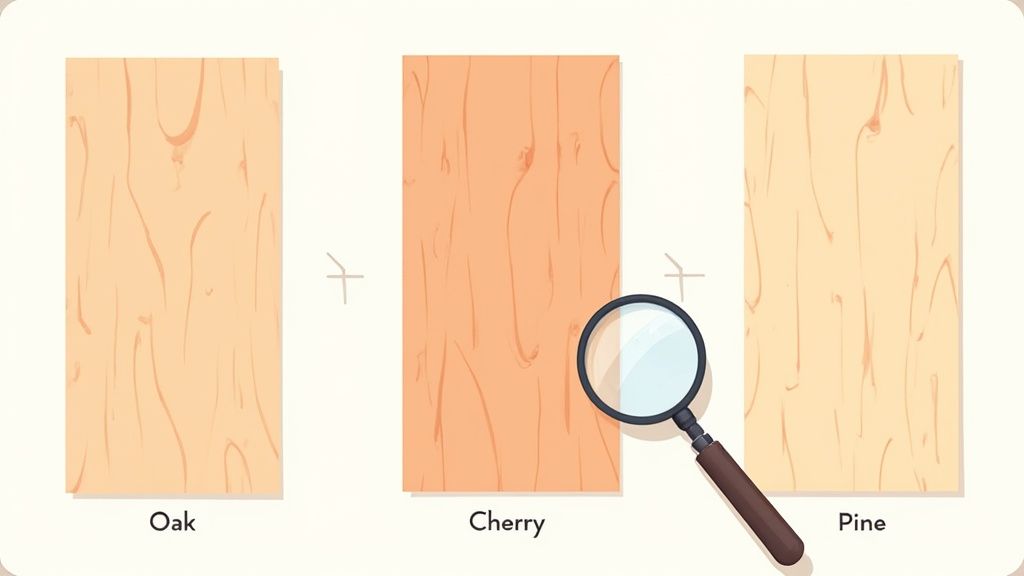
Before you can properly care for a piece of wood furniture, you have to know exactly what you’re working with. It's just like laundry—you wouldn't treat a silk blouse the same way you treat a cotton towel. When it comes to wood, using the wrong product can do more harm than good, leaving behind a cloudy film or even stripping the finish right off.
As your local furniture store in Longwood since 1980, we’ve seen it all. Getting to know your materials is the absolute foundation of good furniture care. It's the first thing our team learns, and it's the expertise we bring to every beautiful piece in our showroom.
Identifying the Type of Wood
First things first, let's figure out what kind of wood you have. Is it a dense hardwood like oak, maple, or cherry, the kind you often find in high-quality, American-made furniture? Or is it a softwood, like pine? The density makes a huge difference in how durable the piece is.
Research shows that hardwoods from slower-growing trees are denser and more resistant to daily wear and tear. This is why they are often the material of choice for heirloom-quality furniture, offering superior long-term value despite a higher initial investment. Softwoods, while lighter and more affordable, require more diligent care to prevent dents and scratches. You can explore a deeper dive into how wood types affect quality and durability to learn more.
- Hardwoods (Oak, Cherry, Maple, Walnut): These woods feel heavy and solid. They have a tight, dense grain pattern and are much harder to dent. Try pressing your fingernail into an inconspicuous spot; on a hardwood, it won't leave much of a mark. This superior durability is why we love featuring them in our collections.
- Softwoods (Pine, Cedar, Fir): These are noticeably lighter and will dent quite easily under pressure. Pine is a classic example, often showing prominent knots and a more rustic character.
This distinction is crucial because it changes how you handle the furniture and what level of protection it needs. For example, the incredibly robust nature of hardwoods is one of the many reasons why the tradition of Amish furniture craftsmanship is so celebrated for its longevity.
Demystifying Furniture Finishes
Even more important than the wood itself is the finish. Think of it as the furniture's protective shield, taking the brunt of daily life. Generally, finishes fall into two camps: surface finishes and penetrating finishes. Knowing which one you're dealing with dictates the cleaning products you can safely use.
Here’s a simple test to tell them apart:
- Find a hidden spot on your furniture, like the underside of a tabletop or the back of a leg.
- Put a single drop of water on the surface.
- Watch what it does.
If the water beads up, you almost certainly have a surface finish. If it soaks in right away or leaves a dark spot, you’re likely looking at a penetrating finish.
Common Finish Types Explained
Surface Finishes (Varnish, Lacquer, Polyurethane): These create a hard, durable barrier on top of the wood. Most modern furniture, especially pieces from high-quality brands like Stickley or our Amish builders, uses a catalyzed conversion varnish for its incredible resistance to moisture and wear. These finishes are relatively low-maintenance and are happy with just a slightly damp cloth for cleaning.
Penetrating Finishes (Oil, Wax): Instead of sitting on top, these finishes soak into the wood grain. This creates a more natural, satin feel rather than a glossy shell. They're beautiful but require more upkeep, as they need to be reapplied periodically to nourish the wood and maintain their protective qualities. Using water on these finishes is a big no-no, as it can easily lead to spots and damage.
Building Simple Maintenance Habits
The real secret to keeping wood furniture looking incredible for decades isn't some complicated process—it's consistency. Like any good routine, the trick is to keep it simple and do it regularly. These small daily and weekly actions protect your investment far better than a major rescue mission down the road. It’s not about spending hours on upkeep; it’s about building mindful habits that prevent damage before it even starts.
Think of these simple routines as the foundation of wood furniture care. They protect the finish and the wood itself from the slow, steady wear and tear of a busy home.
The Right Way to Dust
Dust isn’t just an eyesore; it’s a collection of tiny, abrasive airborne particles. When left to settle on your furniture, every object you set down or wipe across the surface drags these gritty particles along, creating microscopic scratches. Over time, these tiny scratches build up and slowly dull that beautiful finish.
Forget the feather duster—it mostly just pushes dust around. You need to trap it and remove it.
- Grab the Right Tool: Always reach for a soft, lint-free cloth. A microfiber cloth or an old, clean cotton t-shirt is perfect.
- Dampen It Slightly: A cloth lightly dampened with water (and wrung out until it's barely damp) will capture dust instead of just scattering it back into the air.
- Follow the Grain: Always wipe in the direction of the wood grain. This helps avoid tiny cross-grain scratches and actually highlights the wood's natural pattern.
This simple weekly habit only takes a few minutes, but it’s the single most effective thing you can do to maintain that "new furniture" luster you fell in love with in our Longwood showroom.
Cleaning Do's and Don'ts
For messes that go beyond a bit of dust—like sticky fingerprints or a minor spill—a gentle cleaning is in order. This, however, is where many well-intentioned homeowners make some critical mistakes. So many common household cleaners can do more harm than good to a wood finish.
The single biggest risk to your wood furniture is harsh chemicals. Cleaners with ammonia, bleach, or even silicone can strip or soften the finish, lead to discoloration, and create a cloudy buildup that’s nearly impossible to get rid of.
To clean your furniture safely, you just need to know what to avoid and what to use instead.
What to Avoid:
- All-Purpose Sprays: These almost always contain harsh solvents that can eat away at a wood finish over time.
- Silicone-Based Polishes: Products like Pledge might give a temporary shine, but they create a hazy, oily film that actually attracts more dust and is a nightmare to remove without professional help.
- Too Much Water: Never soak the wood. For sealed finishes, a damp cloth is all you ever need.
Instead of grabbing a commercial spray, a simple homemade solution works wonders on sealed wood finishes. Just mix a few drops of mild dish soap into a bowl of warm water. Dip your soft cloth in, wring it out until it’s almost dry, wipe the surface, and immediately follow up with a clean, dry cloth to remove any moisture. It’s gentle, effective, and perfectly safe for most modern finishes.
For more in-depth advice on seasonal upkeep, our guide to spring cleaning your furniture offers fantastic tips that apply year-round. For specific guidance on maintaining and restoring wooden surfaces, you can also explore various teak cleaner options for wood restoration.
Proactive Protection Habits
Honestly, the easiest way to care for your furniture is to stop problems before they start. Weaving these simple habits into your family's daily life will make a world of difference:
- Always Use Coasters: Get everyone in the habit of using coasters for all drinks, hot or cold. This is the best way to prevent those dreaded white rings from moisture and heat.
- Wipe Spills Immediately: Don't let spills sit for even a minute. Use a soft, absorbent cloth to blot the liquid right away, working from the outside of the spill inward to keep it from spreading.
- Use Placemats and Trivets: Protect your dining table from hot serving dishes, which can cause permanent damage to the finish.
- Lift, Don't Drag: When moving lamps, vases, or other items on a wood surface, always lift them instead of sliding. It’s a simple switch that completely prevents scratches.
Protecting Wood From Florida Sun And Humidity
Living here in Central Florida—whether you're in Longwood, Sanford, or right here in Orlando—means we get to enjoy incredible weather almost all year. But the very climate we love, with its brilliant sunshine and thick, humid air, presents a unique and constant challenge to our wood furniture. After spending more than four decades helping our neighbors protect their beautiful investments, this is one of the most important conversations we have.
Wood is a natural, porous material. We always tell people to think of it like a sponge; it soaks up and releases moisture right from the air. When it's humid, the wood swells. When the air is dry (like inside a home with the A/C blasting), it shrinks. This endless cycle of expanding and contracting puts tremendous stress on your furniture's joints, glue, and finish, which can eventually lead to warping and cracking.
Taming Central Florida Humidity
For solid wood furniture, the sweet spot for relative humidity is between 40-45%. In Florida, of course, the outdoor humidity often skyrockets past that, while our indoor, air-conditioned spaces can sometimes dip too low. It's this constant battle between extremes that we need to get under control.
An unstable environment is what causes the most damage. You've probably noticed it yourself—a drawer gets sticky and hard to open in the summer. That's the wood swelling. Then, in a drier month, it might feel loose again. Over the years, all that movement can weaken the furniture's entire structure.
Our Design Team's Tip: When we help a client select a piece, we always talk about where it's going to live. We advise keeping valuable wood furniture away from drafty windows, exterior doors, and direct A/C vents to minimize these drastic environmental shifts.
One of the best things you can do is create a stable indoor climate. A key part of protecting your wood furniture from Florida's challenges is managing indoor humidity with a dehumidifier, which is a fantastic way to prevent that destructive warping and cracking. It helps keep the moisture level in your home consistent, giving your furniture the stable environment it truly needs to last.
Shielding Furniture From Intense Sunlight
Just like the sun affects our skin, it has a powerful effect on wood. Those ultraviolet (UV) rays are the main culprit behind fading and discoloration. You’ve likely seen this yourself—that spot on a wood floor that was hidden under a rug for years looks dramatically different from the areas that were exposed.
This process, called photodegradation, literally breaks down the chemical bonds in both the wood and its finish. Over time, it can:
- Fade or alter the color: Dark woods like cherry can lighten, while lighter woods like oak can take on a yellowish or amber hue.
- Dry out the wood: Intense UV exposure can bake the natural oils right out of the wood, making it brittle and much more likely to crack.
- Weaken the finish: The sun's rays can cause a protective finish like varnish to become cloudy or develop fine cracks, ruining its ability to protect the wood underneath.
Because we see the effects of our climate every day, we've put together a quick guide to understanding these challenges and how to solve them.
Florida Climate vs. Wood Furniture Solutions
Central Florida's environment presents specific threats to the longevity and beauty of your wood furniture. Here’s a breakdown of the most common issues we see and the practical solutions we recommend to our clients.
| Florida Climate Challenge | Potential Damage to Wood | Slone Brothers' Recommended Solution |
|---|---|---|
| High Humidity | Swelling, sticky drawers, warping, and weakened joints. Over time, it can lead to mildew growth. | Use a dehumidifier to maintain indoor humidity between 40-45%. Ensure good air circulation and avoid placing furniture in damp areas. |
| Intense UV Sunlight | Fading, discoloration (photodegradation), drying out natural oils, and finish deterioration (cracking, cloudiness). | Use window treatments like UV-blocking films, curtains, or blinds. Rotate furniture periodically to even out sun exposure. |
| Temperature Fluctuations | Constant expansion and contraction, which stresses wood joints, glue, and finishes, leading to cracks. | Keep furniture away from direct A/C vents, heaters, and drafty windows or doors to create a more stable micro-environment. |
| Salty Air (Coastal Areas) | While less of an issue inland in Orlando, salt can be corrosive to metal hardware and can subtly affect wood finishes over time. | Regular dusting and cleaning with appropriate products can help remove any salt deposits that may settle on surfaces. |
By anticipating these climate-specific problems, you can take proactive steps to ensure your furniture remains a beautiful and functional part of your home for generations.
Practical Solutions for Sun and Climate Control
Protecting your furniture doesn't mean you have to live in a dark cave. It’s really about smart placement and simple, preventative habits that fit the Central Florida lifestyle. The same ideas that apply to indoor pieces are even more critical for outdoor settings, a topic we cover in our tips on choosing patio furniture that lasts in Orlando's climate.
Here are a few practical steps you can take inside:
- Use Window Coverings: Curtains, blinds, or even sheer drapes can diffuse the harshest sunlight, especially during those peak afternoon hours. UV-blocking window films are another fantastic, nearly invisible option we often recommend.
- Rearrange Your Room Seasonally: This is such an easy one. Simply rotating your furniture pieces every few months ensures that sunlight exposure is distributed more evenly, preventing one side from fading more than the other.
- Maintain Your A/C: A well-maintained air conditioning system isn't just for your comfort; it does a great job of removing excess humidity from the air, helping to stabilize your indoor environment.
- Be Mindful of Placement: Try to position your most cherished pieces, like an Amish-crafted dining table or an heirloom chest, away from windows that get that direct, intense sun for hours a day.
By being mindful of these two local forces—our sun and our humidity—you can add decades to the life of your furniture. It’s all about ensuring it remains just as beautiful as the day you brought it home from our showroom.
Handling Everyday Scratches and Spills
No matter how careful you are, life happens. A set of keys tossed on the table, a pet's enthusiastic greeting, or a spilled glass of sweet tea is just part of living in a home you love. The secret isn’t to panic when these things happen, but to act quickly and correctly.
Knowing how to handle these little mishaps can mean the difference between a quick touch-up and a permanent blemish on your beautiful wood furniture. As a family-owned business in Longwood since 1980, we've seen it all and shared plenty of advice on this very topic. We want you to feel confident managing these everyday issues so you can preserve the pieces you treasure.
First Aid for Minor Scratches
Most of the time, surface scratches are only skin-deep—they only affect the top layer of the finish, not the wood itself. For these minor scuffs, you often don't need to call in a professional. A few simple at-home tricks can make them all but disappear.
- The Walnut Trick: This one might sound strange, but for light scratches on medium-to-dark finishes, a walnut can work wonders. Just crack one open and rub the nut meat along the scratch. The natural oils help darken and blend the mark right in.
- Touch-Up Markers and Wax Sticks: These are fantastic tools to keep in your junk drawer. Available in a whole spectrum of wood tones, you just find the right color, gently fill in the scratch, wipe off the excess, and buff it out with a soft cloth. It’s a quick and surprisingly effective fix.
For a deeper look at these techniques and others, our ultimate guide to protecting wood furniture from scratches and stains has detailed, step-by-step instructions to help you tackle these issues like a pro.
Tackling Water Rings and Stains
Ah, the dreaded white ring. It's the classic sign that moisture has gotten trapped in the top layer of the finish. In Central Florida, a cold, sweating glass of iced tea can leave its mark in just a few minutes. These rings almost always look worse than they are and can usually be removed with a little patience.
The goal is to gently draw that trapped moisture back out. One of the most effective methods involves a dry cotton cloth and an iron on its lowest, no-steam setting. Lay the cloth over the ring, and then briefly press the warm iron on top for just a few seconds at a time. This gentle heat helps the moisture evaporate right out of the finish. Just be sure to check your progress constantly to avoid causing any new damage.
Responding to Spills
When a spill happens, speed is your best friend. The longer any liquid sits on the surface, the more time it has to work its way through the finish and potentially stain the wood underneath. The key is to blot, never wipe.
- Blot Immediately: Grab a soft, absorbent cloth and gently press it onto the spill. Wiping just spreads the liquid around and can force it deeper into the wood grain.
- Clean the Area: After you've soaked up the bulk of the spill, use a slightly damp cloth to wipe away any sticky residue.
- Dry Thoroughly: This step is crucial. Follow up immediately with a clean, dry cloth to remove every last bit of moisture from the surface.
This quick three-step response is fundamental to proper wood furniture care and is your best defense against lasting damage.
The infographic below simplifies how to approach two of the biggest environmental challenges we face here in Florida: sun and humidity.
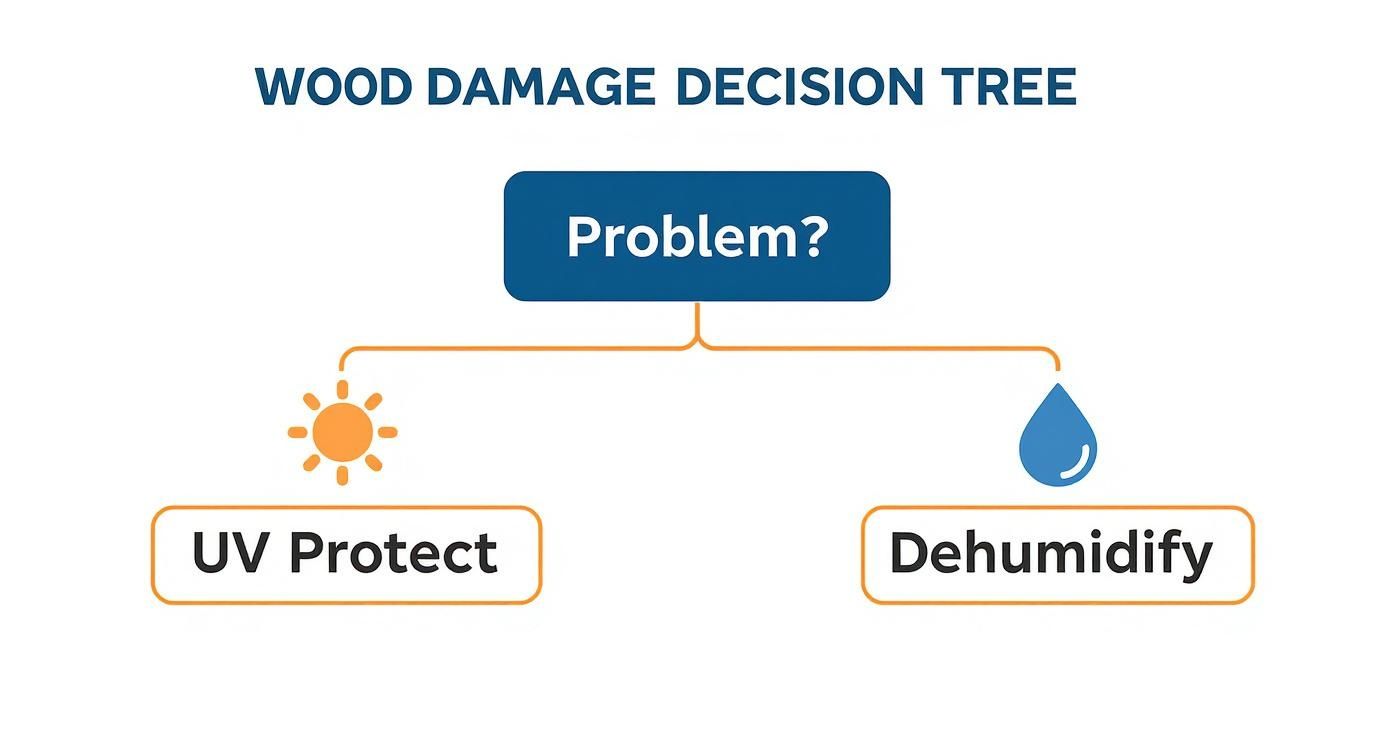
As this visual shows, being proactive with environmental controls—like using UV protection and managing humidity—is the absolute best way to prevent damage before it even starts.
Being prepared for life’s little accidents is why our In-House Design Team often has conversations about finish durability with our clients. When you’re selecting a piece, especially if you’re using our Custom-Order Program, we can guide you toward high-performance finishes that offer much better resistance to moisture and daily wear. It's all about finding furniture that not only looks stunning but is also built to handle the realities of your family's life in the Orlando area.
Knowing When to Call a Restoration Pro
We love empowering you with the know-how to care for your beautiful pieces. But knowing your limits is just as important as knowing how to dust properly. While DIY fixes are great for minor issues, some types of damage absolutely need the skilled hands of a professional restorer to avoid making the problem worse.
This is especially true for heirloom or antique pieces, where preserving their integrity—and value—is everything. Trying to tackle a major repair yourself can sometimes cause irreversible damage. Recognizing when to step back and call for help is a huge part of being a responsible furniture owner.
When Professional Help Is Necessary
Some jobs go way beyond a simple touch-up. If you're looking at any of the issues below, it's time to call in an expert. These problems often involve the furniture's structural integrity or advanced finish chemistry that requires specialized tools and years of experience.
- Major Structural Damage: We're talking broken legs, deep gouges that go through the finish and into the wood, a significantly warped tabletop, or loose joints that make a chair or table dangerously wobbly.
- Widespread Finish Failure: If the finish is peeling, cracking across large areas ("alligatoring"), or has become sticky to the touch, it needs to be professionally stripped and reapplied. This isn't a weekend project.
- Veneer Damage: Lifted, bubbling, or chipped veneer is delicate work. A professional can carefully glue it back down or replace damaged sections without harming the underlying wood.
- Severe Water or Heat Damage: Those black rings from a forgotten glass or extensive whitening from a hot dish often mean the damage has penetrated deep into the wood fibers. These require a pro's touch.
The global market for wood furniture repair is growing, with projections showing it could reach USD 180 million. This growth reflects a wonderful shift toward preserving heirloom pieces and extending the life of quality furniture. Professional restoration techniques are complex, addressing everything from joinery and veneer repair to preserving original finishes, all of which are vital for maintaining both aesthetic and structural value. You can learn more about the furniture repair market and its importance.
Your Local Connection to Trusted Experts
As a family business serving Central Florida since 1980, we’ve built strong relationships with some of the most talented and trustworthy artisans in the Orlando area. While we don't perform these intensive repairs in-house, we see it as our responsibility to connect our customers with the right people for the job.
If you have a treasured piece that needs expert attention, please don't hesitate to reach out. We are always happy to provide a referral to a local restoration professional we know and trust.
For other inquiries about your furniture, you can always contact our service team directly for guidance. We’re here to ensure the furniture you love gets the best possible care, whether it’s from you or a trusted expert.
Answering Your Top Wood Furniture Care Questions
Over the years, our Design Team has heard just about every question you can imagine when it comes to caring for wood furniture. Here in Central Florida, our unique climate presents its own set of challenges. We've compiled a few of the most common questions we get from customers to give you quick, expert answers you can trust.
Can I Use an All-Purpose Cleaner on My Wood Table?
We get this one a lot, and the answer is a hard no. We strongly advise against it. Most of those all-purpose sprays contain harsh chemicals like ammonia that are just too aggressive for wood. They can strip away the protective finish, leaving your beautiful table looking dull and feeling damaged.
For day-to-day cleaning, simplicity is your best friend. Just stick to a soft, clean cloth slightly dampened with water.
Why Are There White Rings on My Furniture?
Ah, the dreaded white ring. It’s a classic sign of moisture getting trapped in the top layer of the finish. Here in humid Orlando, it’s usually the calling card of a sweating glass of iced tea left without a coaster.
The good news? They often look much worse than they actually are. In many cases, these marks are only on the surface and can be removed with some gentle, specific techniques. Don't panic just yet.
Is It Okay to Place Furniture Near a Window?
You’ll want to be really careful with this. The intense Florida sun we all know and love can be incredibly damaging to wood, causing significant fading and drying over time. Wood is a natural material, and just like our skin, it doesn’t do well with constant UV exposure.
If a spot near a window is the only option, we recommend taking some protective measures. UV-blocking window films or good quality curtains can make a huge difference. It’s also a great habit to rotate the furniture every so often to make sure the light exposure is as even as possible.
How Often Should I Polish My Furniture?
This really depends on the type of finish your furniture has. For many modern, sealed finishes, like those on our durable Amish-crafted furniture, you hardly need to polish at all. Maybe once or twice a year with a high-quality, silicone-free polish is plenty.
Believe it or not, over-polishing is a real thing. It can create a hazy, sticky buildup that actually attracts more dust. Before you reach for the polish, always double-check what kind of finish you're working with.
Feeling inspired? Stop by our showroom and chat with our Design Team for a complimentary consultation.