

10 Decorating master bedroom ideas You Should Know


You’re probably looking at your bedroom right now and thinking it feels close, but not finished. The bed may be in place, the dresser may work, and the walls may be fine, yet the room still doesn’t feel restful or pulled together. That’s exactly where most decorating master bedroom ideas start. Not with a full remodel, but with a few better decisions about color, layout, lighting, comfort, and scale.
A master bedroom should do more than look nice in photos. It should help you slow down and unwind, store what you use every day, and feel personal without becoming cluttered. In Central Florida homes, that often means balancing clean design with warmth, especially in spaces that get strong daylight, seasonal humidity, or awkward layouts.
If you’re updating flooring as part of the project, Flacks Flooring’s guide to bedroom floors is a useful companion read.
The ideas below keep things practical. You’ll see ways to create a focal point, layer lighting, choose bedding, arrange furniture, and add texture without making the room feel busy. If you’re in Longwood, Lake Mary, Sanford, or the greater Orlando area, these are also the kinds of choices we help shoppers think through every day at Slone Brothers Furniture.
1. Accent Wall with Bold Color or Wallpaper
An accent wall works because it gives the room a clear center of gravity. In most master bedrooms, that wall is the one behind the bed. When the eye lands there first, the whole room feels more intentional.
A simple paint change can do the job. Soft sage, warm clay, olive, or navy can all work, depending on your furniture and how much natural light the room gets. Wallpaper adds even more personality, especially if your bedding and case goods are fairly simple.
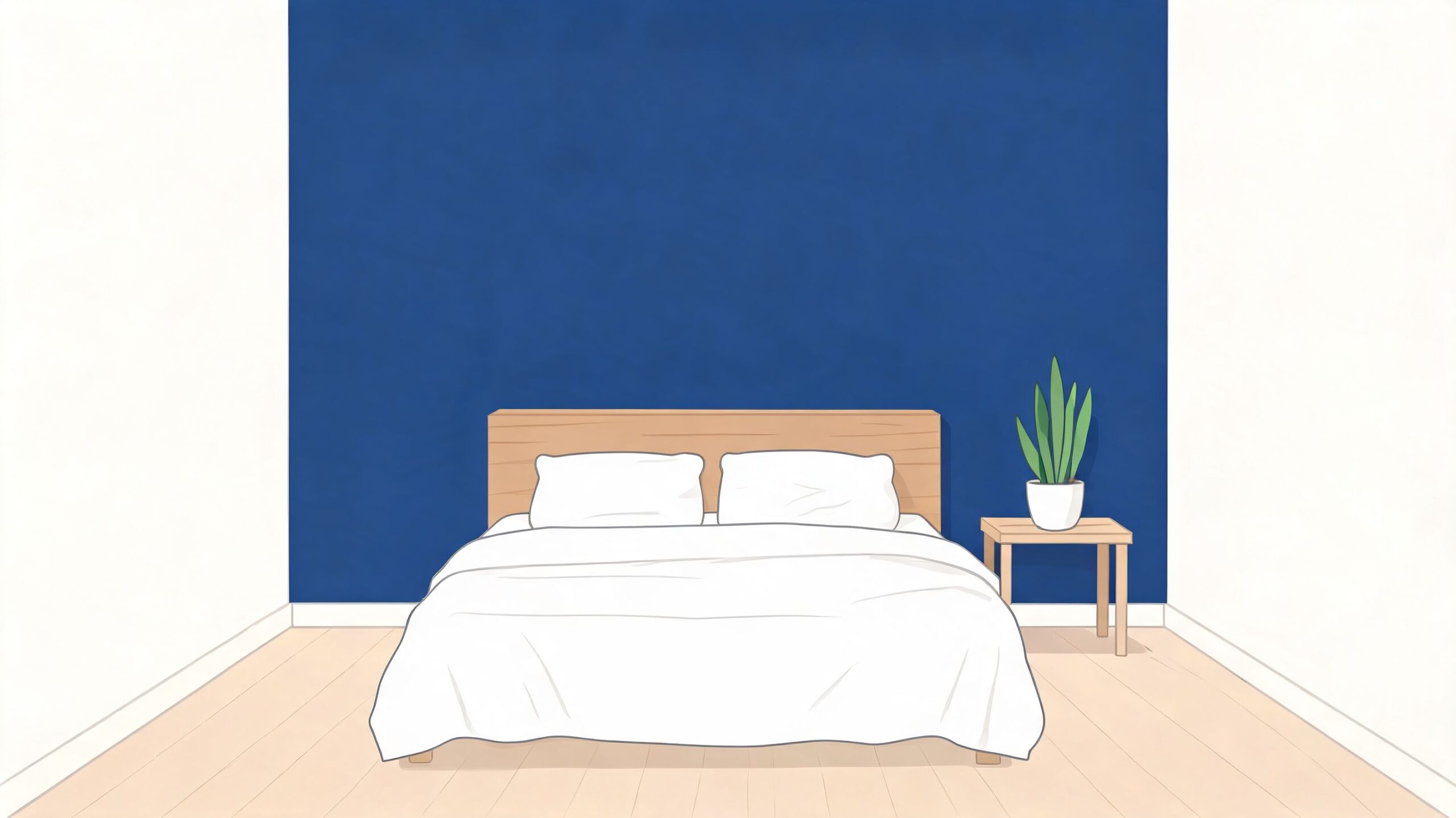
Pick the wall that already deserves attention
If your bed is centered on the longest uninterrupted wall, start there. A tall upholstered bed, a solid wood headboard, or even two matching lamps will look stronger when the wall behind them has contrast.
A few combinations that usually work well:
- Navy with crisp bedding: White or ivory bedding against a navy wall creates a clean, grounded look.
- Sage with warm wood: This works well with oak, walnut, or medium brown finishes.
- Patterned wallpaper with simple furniture: If the wall has movement, keep the bed and nightstands quieter.
A 2025 King Living study of over 3,000 bed purchases found that 56% of customers preferred neutral tones for master bedroom furniture, with warmer browns rising in popularity. That’s a helpful guide if you want your accent wall to feel current without fighting your furniture.
Practical rule: If the wall color is bold, let the bedding be calmer than you think it needs to be.
Before you paint the full wall, test samples in morning and evening light. Central Florida sunlight can shift a color more than people expect. If you want help narrowing your palette, Slone Brothers also shares ideas on choosing a good color for a master bedroom.
2. Layered Lighting Design
You walk into the bedroom at night, flip on the overhead light, and the whole room feels harsher than it did during the day. That usually is not a décor problem. It is a lighting plan problem.
A master bedroom has to handle several jobs. You need enough light to put away laundry, enough focus to read in bed, and a softer glow when the day is over. One ceiling fixture rarely handles all three well, which is why layered lighting tends to make a bedroom feel more finished even before you change the furniture or décor.
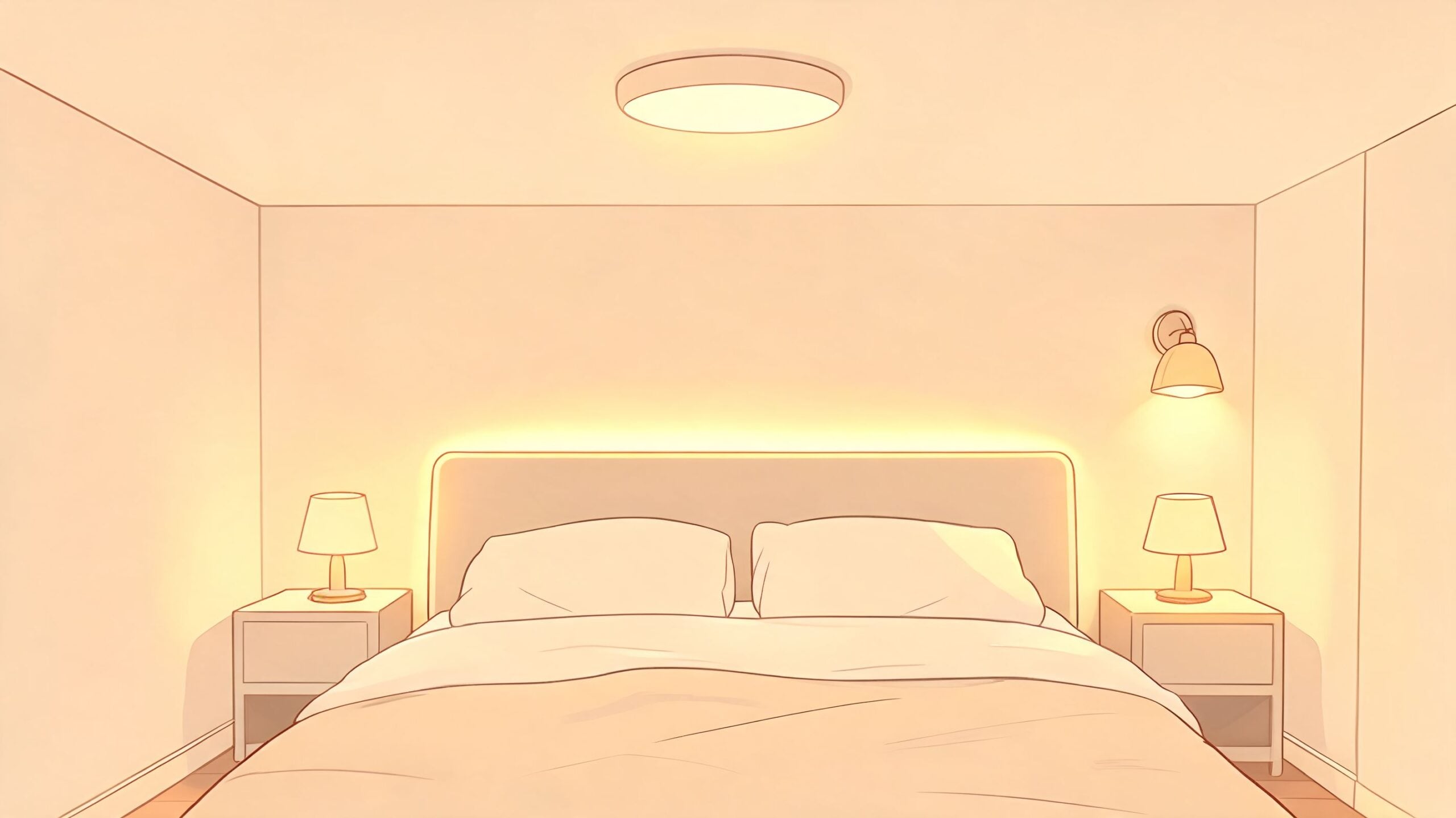
Build the room the way a hotel does
Good bedroom lighting works like a simple system with three parts. Ambient light fills the room. Task light helps with specific activities. Accent light softens the edges and keeps the room from feeling flat.
A practical setup often looks like this:
- Ambient light: A dimmable ceiling fixture or fan light for general visibility
- Task light: Bedside lamps or sconces aimed low enough for reading
- Accent light: A small lamp on a dresser, console, or corner chair to reduce shadows
The mistake people make is choosing fixtures by style first and placement second. Placement matters more. A beautiful bedside lamp that sits too low will throw light into your eyes instead of onto your book. A sconce mounted too high can create glare on the wall and leave the pillow area darker than expected.
Shared bedrooms need a little more planning. If one person reads and the other falls asleep early, matching lamps are not always the best answer. One side can use a directional sconce, while the other uses a shaded table lamp with a broader glow. The room still looks balanced, but it works better in real life.
Here is a useful rule: your brightest light should not be the one you use most often before sleep.
Warm bulbs usually make bedrooms feel calmer than cooler ones, and dimmers give you more control than a stronger fixture ever will. If you are also updating the bed itself, Slone Brothers' guide to bedding, mattress protectors, and comforters can help you match lighting choices with the comfort layers you use at night.
If the room feels stark after sunset, add one lower light source across the room before you add more accessories. The change is often immediate.
3. Quality Bedding and Soft Furnishings
If the bed doesn’t feel inviting, the room won’t either. Bedding does visual work and comfort work at the same time, which is why it deserves more attention than people usually give it.
Start with the basics. Sheets, pillows, a duvet or comforter, and one extra layer at the foot of the bed usually create enough depth. You don’t need a stack of decorative pillows you’ll move every night.
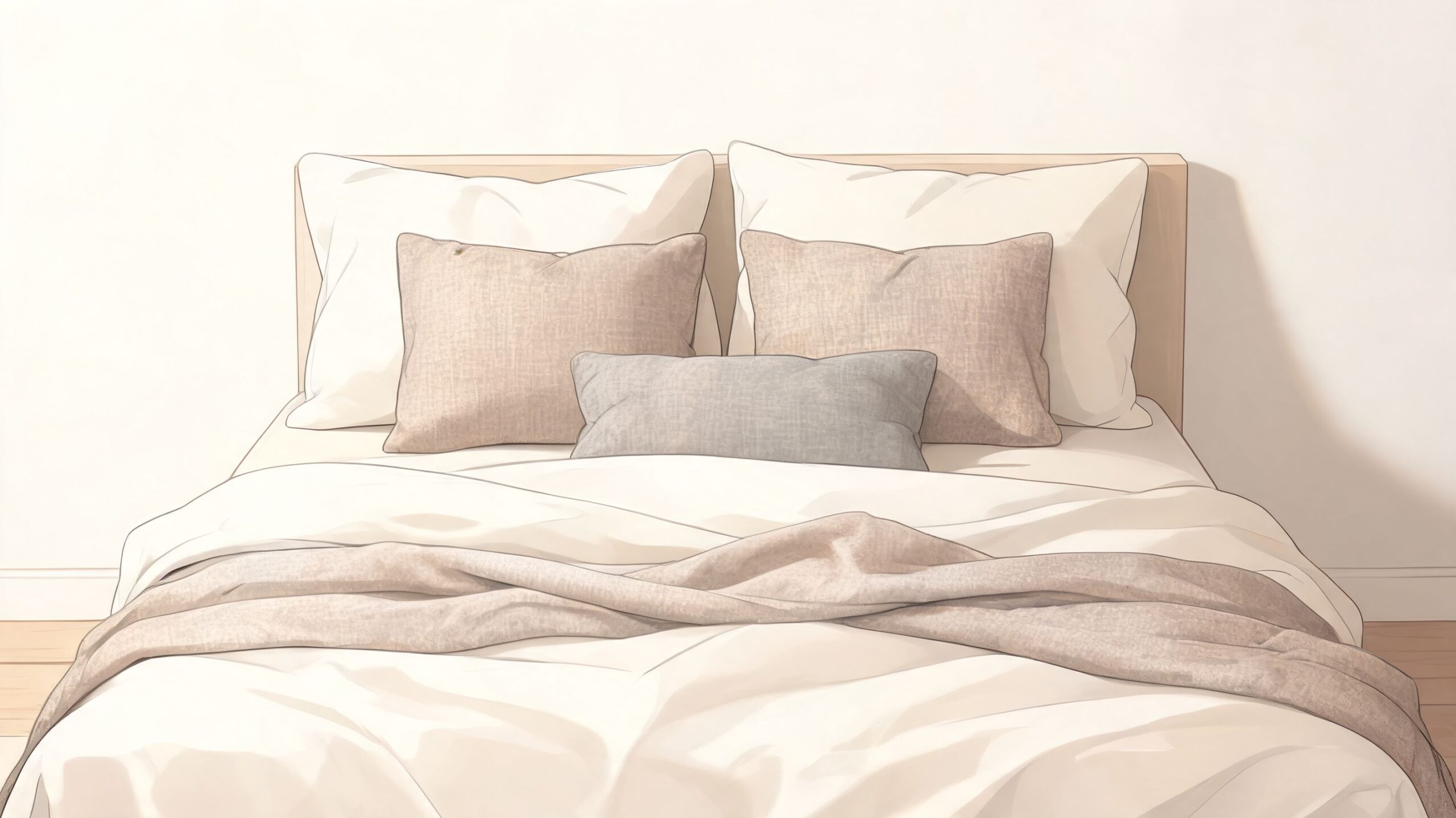
Build the bed in layers
A practical combination often looks like this:
- Base layer: Smooth sheets in white, sand, taupe, or soft gray
- Middle layer: A quilt, coverlet, or duvet with enough weight for year-round comfort
- Top layer: A knit throw or light blanket for texture
- Pillows: Sleeping pillows first, then one or two decorative shams if you want them
Neutral bedding gives you flexibility. You can shift the room seasonally with one throw blanket, a lumbar pillow, or a patterned bench cushion instead of replacing everything.
For many homeowners, the bedding conversation should also include the mattress. If you’re reworking the room from the ground up, Slone Brothers’ guide to bedding, mattress protectors, and comforters is a helpful place to sort out what belongs on the bed and what doesn’t.
The easiest real-world example is this: if your room has a wood bed in a warm finish, pair it with linen-look bedding in ivory or oatmeal, then add one textured throw in a deeper earthy tone. That keeps the room soft without becoming bland.
4. Custom Headboard Design
You walk into a bedroom with decent bedding, matching nightstands, and the right paint color, but the wall behind the bed still feels empty. That usually points to one missing anchor. The headboard is doing too little for the size of the room.
A good headboard works like the frame around a painting. It gives the bed a clear boundary, adds presence, and helps the room feel settled. That matters even more in a master bedroom, where the bed is usually the largest object and the first thing your eye notices.
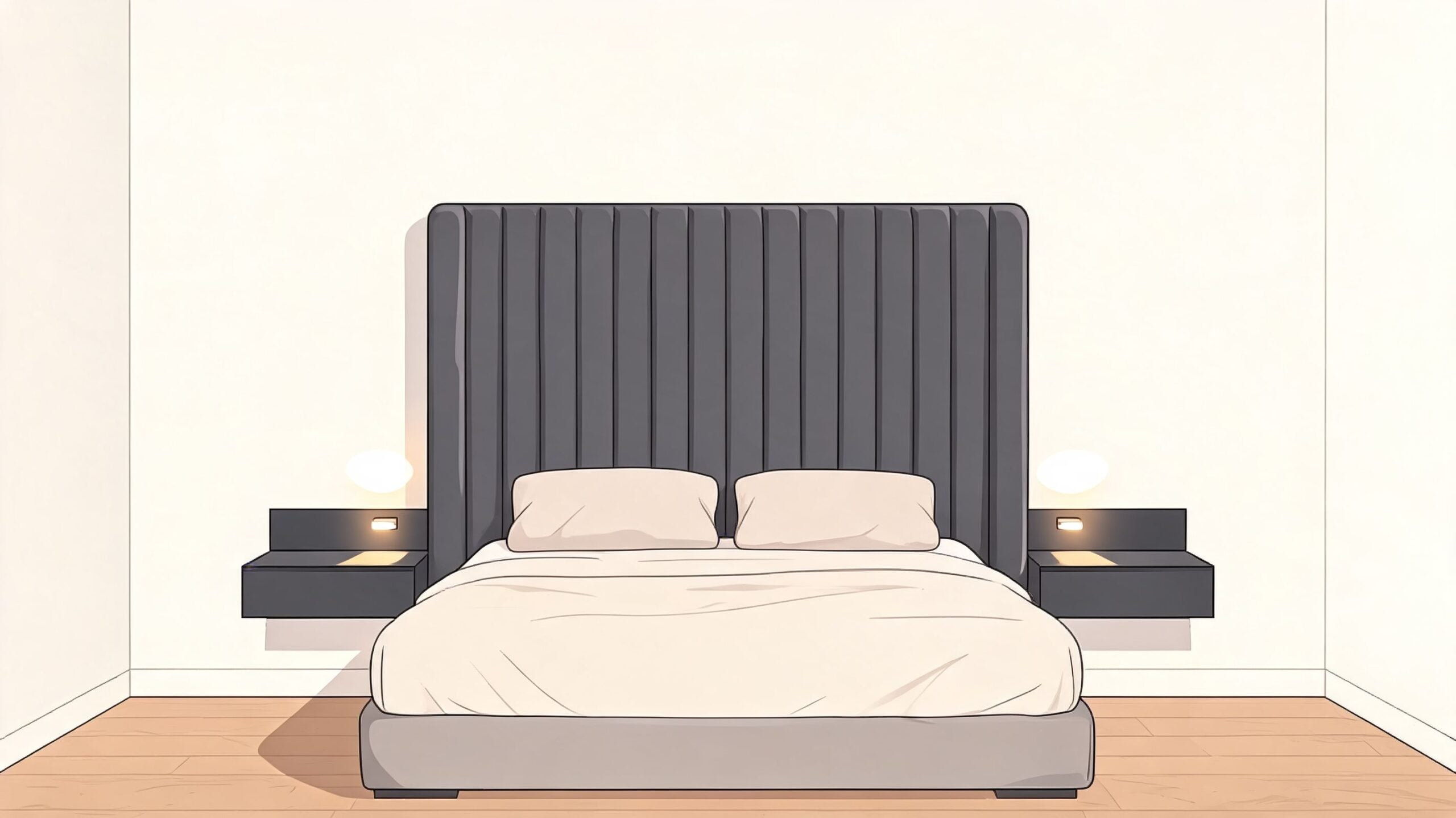
Scale matters more than ornament
Height often changes the room more than decorative detail does. A low headboard can disappear against a wide wall, especially if you have standard white bedding and a neutral paint color. A taller shape fills that vertical space and makes the bed look intentional instead of temporary.
Material changes the mood. Upholstered headboards soften rooms with hard surfaces like wood floors, painted drywall, or metal lamps. Wood headboards add structure and warmth, especially if the rest of the room includes soft fabrics and muted color.
A few practical directions work well:
- Tall upholstered headboard: Good for comfort when reading in bed and for making a large wall feel proportionate
- Wood headboard: Good for bringing in grain, contrast, and a more grounded look
- Integrated design: Good for tighter rooms where the headboard visually connects bedside tables or lighting
Custom design becomes useful when standard sizes leave awkward gaps or the bed wall has unusual proportions. For example, a king bed on a long wall often looks better with a headboard that extends slightly beyond the mattress width. In a smaller room, a slimmer custom shape with rounded corners can soften traffic paths and make the space easier to move through.
Details matter here in ways many articles skip. The thickness of the headboard affects how far your pillows sit forward. The fabric color changes how visible lint, pet hair, or oil from hair products will be. If you like to sit up in bed, firmer foam and a higher panel placement usually feel better than a soft, low cushion that collapses behind pillows.
If outside light hits the bed wall early in the morning, your headboard choice also interacts with the window setup. A softer, padded headboard can balance a room that already has harder lines from shades or blinds. If you are refining both features together, it helps to enhance sleep with bedroom blinds.
If you’re furnishing a primary bedroom in Central Florida and want something more specific than a standard set, custom-order options can be useful. Slone Brothers carries brands known for customization, including American Leather, Bassett, and Smith Brothers, which can help you match fabric, scale, and finish more precisely to the room.
5. Window Treatments with Style and Function
Window treatments do three jobs at once. They manage light, provide privacy, and finish the wall. When they’re missing, even a nicely furnished bedroom can feel temporary.
In a master bedroom, softening the windows usually matters more than people expect. Bare blinds alone can make the room feel cold. Fabric panels, woven shades, or layered treatments add depth and help the whole space feel more complete.
Match the treatment to the room’s daily use
If you sleep best in a dark room, choose a treatment that supports that. If your room gets beautiful morning light and you want to keep it, sheer layers may make more sense on top of a more functional shade.
A few dependable pairings:
- Blackout shade plus drapery: Good for sleep and a finished look
- Roller shade plus side panels: Good for cleaner, more modern rooms
- Woven shade plus linen panels: Good for warmth and texture
Some people also care about where mirrors and windows sit in relation to the bed because it affects how restful the room feels. A wellness-focused decorating approach recognizes that layout choices should support your comfort, not just the look of the room. That gap is discussed in Tip Top Furniture’s overview of master bedroom decorating ideas.
If you’re deciding between shades and blinds, this guide to bedroom blinds that support better sleep gives a practical overview of light control options.
Floor-length curtains usually look best when they just touch the floor or break slightly. In rooms with lower ceilings, hanging the rod a bit higher than the window can also help the room feel taller.
6. Nightstands and Bedside Storage Solutions
Nightstands do quiet work. They hold what you reach for last at night and first in the morning. If they’re too small, too tall, or missing storage, the room starts collecting clutter almost immediately.
The best nightstand height usually lines up closely with the top of the mattress. That keeps a lamp, phone, book, or glass of water easy to reach without awkward stretching.
Choose storage based on what actually lands there
Think about your habits before you choose the style. If you charge devices, keep medications nearby, or need a place to hide cords, drawers matter. If you mostly want a lamp and one book, open shelving may be enough.
Common solutions include:
- Two-drawer wood nightstands: Good for a classic, useful setup
- Floating nightstands: Good in smaller rooms where you want more visible floor space
- Open-shelf designs: Good if you like a lighter look and don’t mind editing what’s visible
For coordinated storage pieces, Slone Brothers’ article on bedroom furniture storage features to know is useful if you’re comparing drawer storage, open shelving, and other built-in functions.
The larger market direction also supports practical, adaptable furniture. Data Bridge Market Research describes contemporary style as holding the largest revenue share in bedroom furniture, while modern style continues gaining popularity, especially where people want functional, adaptable design, in its bedroom furniture market overview. That lines up with what many homeowners want in a nightstand now: clean lines, useful storage, and a finish that can work with changing décor.
7. Area Rugs for Warmth and Definition
A rug helps the bed feel anchored. Without one, the furniture can seem like it’s floating, especially in larger bedrooms with hard flooring.
This isn’t only about softness underfoot, though that matters. A rug also gives you a visual zone, which is useful in big primary bedrooms where sleeping, dressing, and sitting areas need some separation.
Use the rug to calm the floor plan
A common approach is to place a large rug under the bed so it extends out on both sides and at the foot. That gives you a soft landing when you get up and makes the bed area feel intentional.
If the room is awkwardly shaped, rugs can do even more. Guidance for odd-shaped bedrooms often overlooks budget-friendly fixes, but off-center rugs and lower-profile furniture can help calm an irregular layout without requiring custom built-ins, as noted in Jasmine Alley’s discussion of odd-shaped bedroom challenges.
Try these ideas:
- Neutral large rug under the bed: Best for a calm foundation
- Patterned rug with quiet bedding: Good when the rest of the room is simple
- Layered look with a runner: Useful if you want softness along one side or at the foot
Rugs can correct a room visually. In an awkward bedroom, they often work better than trying to force every piece of furniture into symmetry.
For many Central Florida homes, easy-care materials are worth considering, especially if pets share the room or traffic in and out of connected baths is frequent.
8. Wall Art and Décor Arrangement
Art turns a finished bedroom into a personal one. It tells you what kind of mood the room is supposed to have. Calm nature prints, abstract pieces in earthy tones, black-and-white photography, or a simple gallery wall can all work if the scale is right.
The most common mistake isn’t the art itself. It’s hanging pieces too high, too small, or with no relationship to the furniture below.
Keep the arrangement tied to the furniture
Above a dresser, one larger piece or a balanced grouping usually looks better than several small frames scattered across the wall. Above the bed, scale matters even more. The art should feel connected to the width of the headboard, not lost above it.
A few layouts that work:
- One large statement piece: Strong above a dresser or bench
- Pair of matching works: Good for symmetry on either side of the bed
- Gallery wall: Better on a secondary wall where you can appreciate it up close
If you’re decorating a large wall, Slone Brothers shares practical ideas in this article on big wall art ideas. For hanging multiple pieces neatly, these art installation tips for homeowners are useful.
Don’t force every wall to carry décor. Blank space helps the art you do choose feel more important.
A good real-world example is a warm neutral bedroom with a wood bed, ivory bedding, and black metal lamps. In that room, oversized abstract art with tan, charcoal, and muted green can tie the whole palette together without introducing visual noise.
9. Furniture Arrangement and Space Planning
A beautiful bedroom can still feel wrong if the layout fights the room. Good furniture arrangement makes movement easy, keeps the bed as the main focus, and gives each piece a reason to be there.
Most rooms work best when the bed claims the strongest wall. After that, the goal is balance, not perfect symmetry. That matters even more in rooms with windows, angled walls, or doors that cut into the plan.
Let the room shape the layout
Start with the bed and walking paths. Can you get around both sides comfortably? Can drawers open without hitting another piece? Is there enough space to make the bed without squeezing through a gap?
A few common layouts:
- Centered bed with matching nightstands: Best for a classic, calm look
- Bed offset by architecture: Works when windows or doors force a different arrangement
- Reading chair in a corner: Good if the room is large enough and the chair doesn’t become a clothes pile
If you’re planning around a specific room shape, Slone Brothers’ guide on how to arrange bedroom furniture can help you think through scale and traffic flow before you move heavy pieces.
In Central Florida homes, local help can be especially useful. A room may look large on paper but feel tight once you account for windows, sliding doors, or a walk to the bath. That’s one reason many homeowners benefit from working with an in-house design team before ordering larger pieces.
10. Luxurious Textures and Layering
A master bedroom often looks finished in photos before it feels finished in real life. The missing piece is usually texture. A neutral room with flat surfaces can read clean but feel cold, much like a meal that looks good on the plate but needs seasoning.
Texture gives the eye places to rest and gives the room a more comfortable rhythm. It also helps a bedroom feel richer without asking you to add louder colors, more furniture, or extra wall décor.
Start by spreading texture across the room instead of piling it all onto the bed. If every soft element sits in one zone, the room feels top-heavy. A better approach is to let each surface do a different job. The headboard can add softness, the bedding can add lightness, the window treatments can add depth, and the floor can add warmth.
Combine materials that contrast in a controlled way
The goal is contrast you can feel and see, but not clutter. Smooth materials make rougher ones stand out. Matte fabrics calm down shinier finishes. Natural materials keep the mix from feeling overly formal.
A few combinations tend to work well:
- Linen bedding with a velvet or channel-tufted headboard: relaxed bedding against a fuller fabric surface
- Oak or walnut furniture with a wool rug: warmth from the wood, softness from the floor
- Percale sheets with a chunky knit throw: crisp and breathable underneath, heavier texture at the foot of the bed
- Woven shades with fuller curtain panels: one texture filters light, the other frames the wall and adds body
- Metal lamps beside upholstered pieces: a little hardness keeps the room from feeling overly soft
This layered look has become more common in bedrooms that feel personal rather than staged. As noted earlier in the article, current bedroom design favors character, natural materials, and a mix of finishes over a perfectly matched set.
Small decisions matter here. A quilt folded at the foot of the bed adds a different texture than a loose throw. Euro shams create structure behind sleeping pillows. Even the difference between washed linen and crisp cotton changes how the room reads from across the doorway.
You do not need luxury materials in every corner. One upholstered bed, one rug with visible texture, and curtains with some weight will usually improve the room more than adding several small decorative objects.
Top 10 Master Bedroom Decorating Ideas Comparison
A comparison table is useful for one reason. It helps you see which ideas change the look of the room quickly, which ones improve daily comfort, and which ones take more planning than they first appear to.
Use it the same way you would use a packing list before a trip. Some choices are easy to add later, like art or bedding. Others, such as lighting layout, custom window treatments, or a new headboard, are easier to get right before you buy everything around them.
| Item | Implementation Complexity 🔄 | Resource Requirements ⚡ | Expected Outcomes 📊 | Ideal Use Cases 💡 | Key Advantages ⭐ |
|---|---|---|---|---|---|
| Accent Wall with Bold Color or Wallpaper | Low to Moderate. DIY is possible, professional help can improve the finish | Low to Moderate cost, depending on paint, wallpaper, and labor | Strong visual impact, clearer focal wall, possible change in how large the room feels | Homeowners who want a clear bed wall focus or a faster room update | Budget-friendly change, easier to refresh later than major furniture purchases |
| Layered Lighting Design | Moderate to High. Planning, fixture selection, and wiring may require an electrician | Moderate to High cost for fixtures, dimmers, and installation | Better control for reading, dressing, and winding down. Improves mood and everyday function | New homeowners, couples with different bedtime routines, bedrooms that need better task lighting | Flexible light levels, better usability, helps each part of the room serve a purpose |
| Quality Bedding and Soft Furnishings | Low. Selection is simple, but choosing materials well takes some thought | Moderate to High upfront cost for better fabrics and inserts | Better sleep comfort, stronger finished look, longer wear over time | Anyone who wants comfort first and fewer short-term replacements | Strong comfort return, visible change without remodeling |
| Custom Headboard Design | Moderate to High. Design decisions, lead times, and installation add complexity | High cost and more time for custom materials and fabrication | Strong focal point, better fit for the bed and wall, can soften sound in the room | Homeowners with specific style goals or unusual room proportions | Personal character, precise fit, makes the bed feel more intentional |
| Window Treatments with Style and Function | Moderate. Measuring matters, and many rooms benefit from professional installation | Moderate to High cost for quality fabric, hardware, and labor | Better privacy, light control, and temperature management. Gives the wall more presence | Bedrooms with early morning light, close neighbors, or drafty windows | Practical and decorative at the same time, adaptable to many styles |
| Nightstands and Bedside Storage Solutions | Low. Mostly a matter of sizing, placement, and storage needs | Low to Moderate cost, plus enough floor space on each side | Better organization, easier access to daily items, more complete bedside setup | Homeowners who need charging space, drawer storage, or a landing spot for books and glasses | Improves daily routine, reduces surface clutter |
| Area Rugs for Warmth and Definition | Low. The main challenge is choosing the right size and placement | Low to High cost based on material, size, and construction | More warmth underfoot, clearer furniture zone, softer acoustics | Bedrooms that feel visually loose, cold, or acoustically hard | Grounds the bed area, adds comfort without changing furniture |
| Wall Art and Décor Arrangement | Low to Moderate. Layout planning and secure hanging matter more than cost | Low to Moderate cost, easy to scale by budget | More personality, better wall balance, visual depth above dressers or beds | Homeowners adding character after the main furniture is in place | Flexible, highly personal, easy to change over time |
| Furniture Arrangement and Space Planning | Moderate. Measuring and testing layouts takes patience, not just taste | Low for rearranging existing pieces, Moderate if new furniture is needed | Better traffic flow, more usable floor space, stronger visual balance | Small bedrooms, awkward layouts, or rooms with too many competing pieces | Can improve the room without buying much, prevents cramped layouts |
| Luxurious Textures and Layering | Low to Moderate. Coordination matters more than installation | Moderate cost, with some materials needing extra care | Richer visual depth, more inviting surfaces, stronger sense of comfort | Bedrooms that need warmth, softness, or a more finished look | Adds depth without relying on bold color, makes the room feel more welcoming |
One pattern stands out. The lowest-complexity updates are often bedding, rugs, art, and bedside storage. The higher-complexity changes tend to be the ones attached to the room itself, such as lighting, window treatments, and custom built elements.
That matters when you are setting priorities. If the bedroom feels unfinished but functions well, start with the simpler items. If the room looks decent but feels awkward to use every day, layout, lighting, and window control usually deserve attention first.
Final Thoughts
The best decorating master bedroom ideas aren’t usually the flashiest ones. They’re the choices that make the room easier to live in every day. A stronger focal wall, better lighting, more thoughtful bedding, and a clearer furniture plan often do more than a long shopping list ever could.
If you’re starting from scratch, keep the order simple. Begin with the bed and layout. Then handle lighting, rugs, and window treatments. After that, bring in art and texture. That sequence helps you avoid a room that looks styled but doesn’t function well.
It also helps to decorate with staying power in mind. The 2025 King Living study mentioned earlier points toward long-term interest in warm neutrals and earthy tones, which makes sense in a master bedroom because those shades are easier to update over time than very sharp or cool palettes. That doesn’t mean every room should be beige. It means your bigger investments, such as the bed, nightstands, dresser, and rug, usually work harder when they have flexibility.
Personal comfort matters just as much as style. Some people want blackout window treatments and minimal wall décor. Others want color, pattern, and a reading chair in the corner. Some like symmetry because it feels orderly. Others prefer a softer, less formal arrangement. The room should reflect how you rest, not just what’s trending.
For homeowners in Longwood, Orlando, Lake Mary, and across Central Florida, that practical approach is often the difference between a bedroom that looks good for a week and one that still feels right years later. Quality materials, durable finishes, and a layout that suits the room shape all matter more than copying a showroom image exactly.
If you want help translating ideas into real furniture choices, Slone Brothers Furniture in Longwood offers bedroom furniture, mattresses, home décor, custom-order options, and an in-house design team. That can be especially useful if you’re furnishing a new home, updating an older primary suite, or trying to solve a bedroom layout that doesn’t fit standard advice. You can also learn more about the company on the Slone Brothers About Us page or explore their design services.
Ready to find the perfect piece for your home? Visit Slone Brothers Furniture in Longwood, FL, and let our design experts help you get started!