
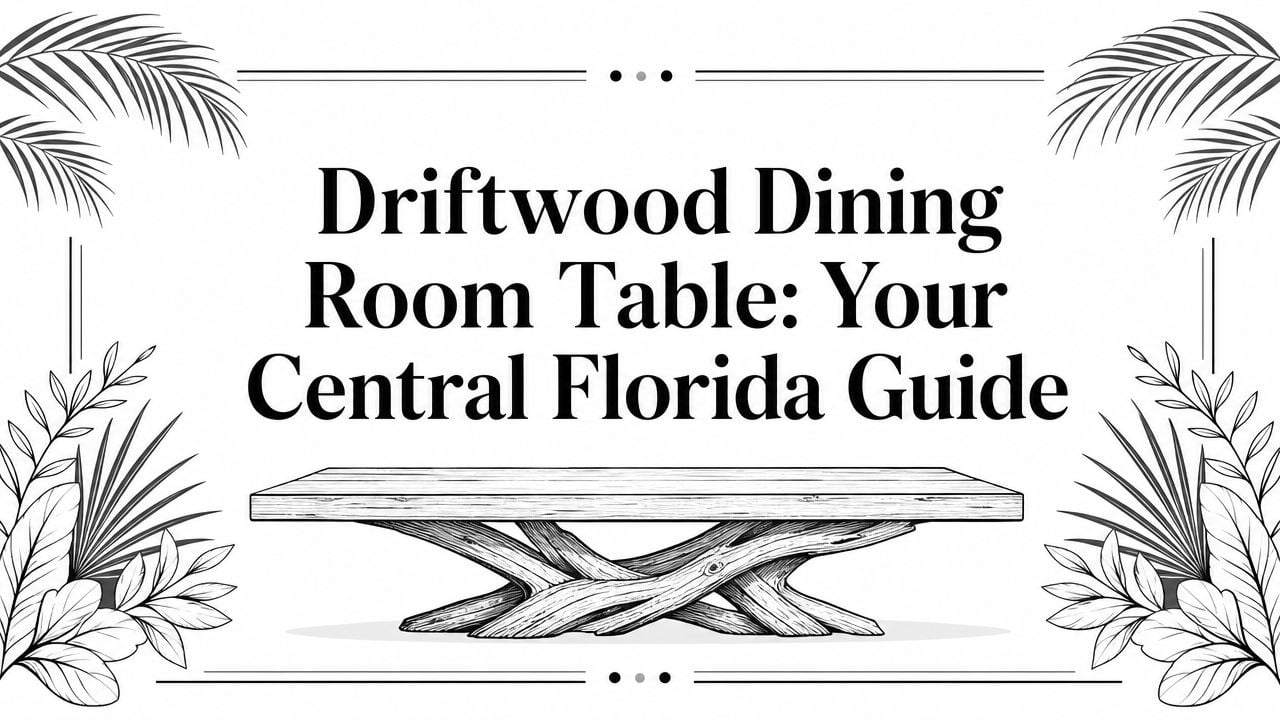
Driftwood Dining Room Table: Your Central Florida Guide

A lot of Central Florida homeowners start in the same place. The dining room feels too dark, too formal, or too heavy for the way the house is used. They want something lighter. Something that feels relaxed with the Florida sun coming through the windows, but still substantial enough for weeknight meals, holiday guests, and the occasional laptop in the evenings.
That's where a driftwood dining room table usually enters the conversation. The look is casual, grounded, and easy to live with. It brings in the washed, weathered character people love in coastal and rustic interiors, but it can also work beautifully in homes that lean transitional or modern farmhouse.
A dining table has held that central role for a very long time. According to Britannica's history of the table, tables were already a known furniture form in the Western world by at least the 7th century BCE, and by the first half of the 17th century a dining setup often centered on 1 table with 4 to 6 chairs. That long history still shows up in today's homes. The table is where people gather, linger, work, celebrate, and reset.
For homeowners in Longwood, Lake Mary, Sanford, and the greater Orlando area, the challenge isn't just choosing a pretty finish. It's choosing a piece that suits local style, daily life, and Florida conditions.
Table of Contents
- Your Guide to the Perfect Driftwood Dining Room Table
- What Defines a Driftwood Dining Room Table
- How to Judge Quality and Materials for Florida's Climate
- Choosing the Right Size and Shape for Your Room
- How to Style Your Driftwood Dining Table
- Why Shop for Your Table at Slone Brothers
- Common Questions About Driftwood Dining Tables
Your Guide to the Perfect Driftwood Dining Room Table
A homeowner in Central Florida often isn't searching for “rustic” in the heavy, cabin-style sense. More often, the goal is a room that feels open and breathable. Soft wood tones, lighter finishes, and a table that doesn't make the whole room feel visually crowded tend to win.
That's one reason a driftwood dining room table keeps showing up in Longwood and throughout the Orlando area. It anchors the room without making it feel stiff. It has texture, but it doesn't have to look rough. It can feel beach-adjacent without turning the room into a themed space.
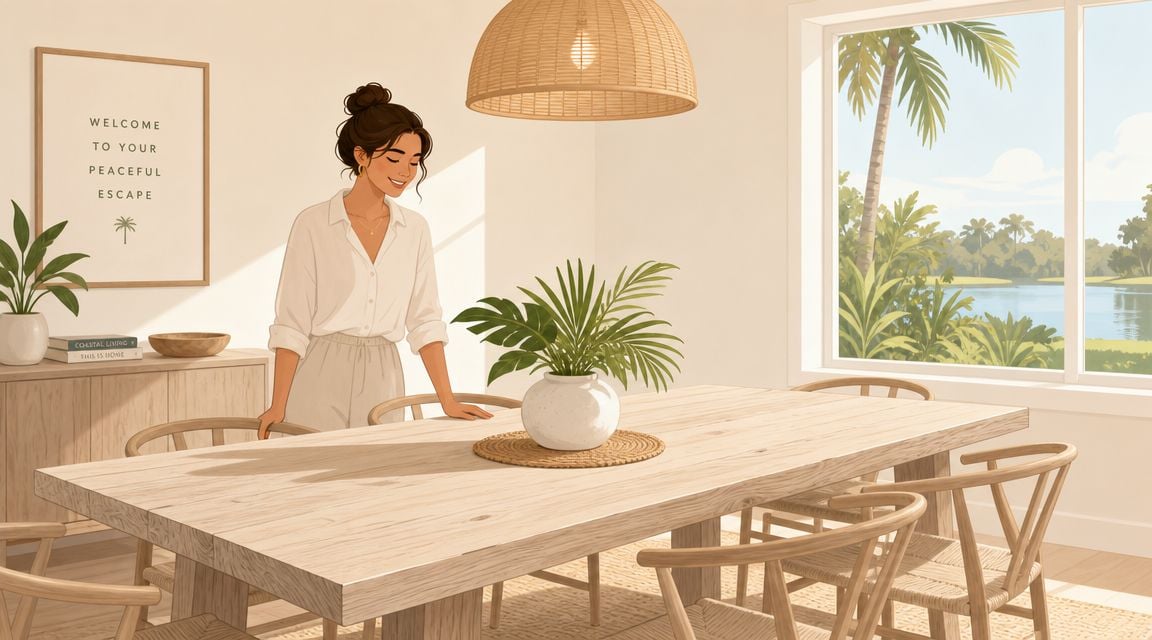
Some shoppers arrive thinking “driftwood” means actual wood pulled from the shoreline. Others assume it's only for coastal homes. Neither assumption is quite right. In most cases, the term describes a visual effect more than a literal material, and that's good news for buyers who want the look without sacrificing everyday practicality.
A good driftwood table should look relaxed, but it should still behave like dependable indoor furniture.
The appeal is easy to understand in local homes. A lighter, weathered finish works well with tile floors, open-concept layouts, and the softer color palettes many Florida homeowners prefer. It also pairs well with a wide range of chair styles, from upholstered seats to cleaner-lined wood designs.
For anyone still deciding which dining look fits the house, this overview of dining room styles for different homes helps put driftwood finishes into a broader design context.
What Defines a Driftwood Dining Room Table
The phrase driftwood dining room table sounds literal, but in most indoor furniture it usually refers to the finish and visual character rather than the source of the wood. That distinction clears up a lot of confusion.
A driftwood look typically includes a few recognizable traits:
- Muted color variation with gray, beige, tan, or sun-faded brown tones
- Visible grain that adds texture instead of hiding it
- Softly weathered character that feels relaxed rather than glossy
- A matte or low-sheen surface that keeps the table from feeling formal
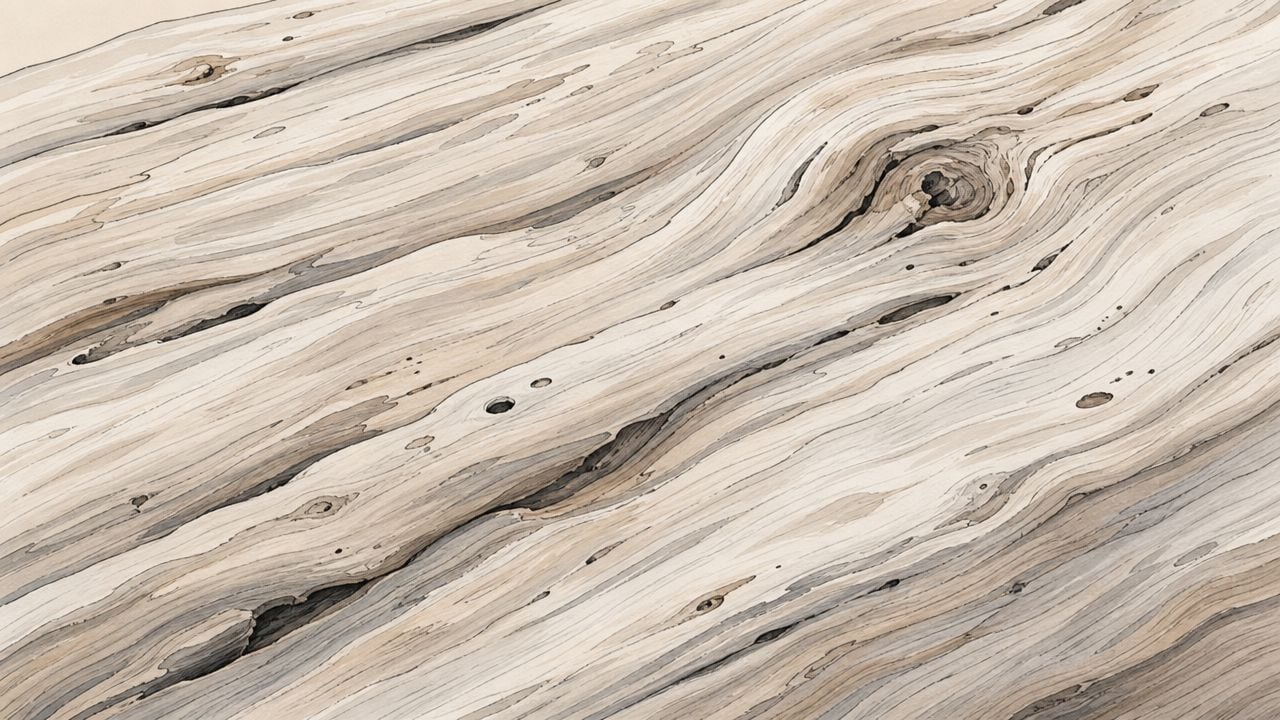
Driftwood finish versus actual reclaimed material
Many buyers often pause over this distinction. A table can look like driftwood without being made from literal reclaimed shoreline wood. In fact, many quality indoor pieces use newer materials finished to create that washed, lived-in appearance.
That approach often makes sense. A manufacturer can create the aesthetic people want while keeping the tabletop more stable and predictable for everyday dining use. The result is a table that feels natural and character-rich, but not fragile or fussy.
Actual reclaimed material has appeal too. Some buyers love the story, irregularity, and one-of-a-kind surface details. But reclaimed construction can introduce more variation in color, texture, and even expectations. For many households, a driftwood-style finish on carefully selected furniture materials is the easier option to live with.
What to look for with your eyes first
A well-done driftwood finish shouldn't look flat or chalky. It should have depth. The grain should still read clearly, and the coloration should feel layered instead of painted on.
Shoppers also benefit from looking at the table in relation to the room, not in isolation. In a Lake Mary or Sanford dining space with bright walls and natural light, a driftwood tone can soften the room and keep it from feeling too high-contrast. In a darker room, it can help lift the overall palette.
For anyone comparing species, grain patterns, and furniture wood characteristics more closely, this guide to types of wood for dining tables is a useful next step.
The best driftwood finish looks intentional. It should feel refined enough for a dining room, not as if someone tried to make a new table look old in a hurry.
How to Judge Quality and Materials for Florida's Climate
A driftwood dining table in Central Florida has to do two jobs at once. It needs to look relaxed and natural in a light, coastal-influenced home, and it also needs to stay stable through humidity swings, air conditioning cycles, and everyday family use.
That is why quality starts below the finish. The gray-brown tone may catch your eye first, but the underlying story is in the tabletop build, the joinery, and the way the table is designed to handle moisture changes over time.
Start with the tabletop structure
Large wood surfaces move. That is normal. Wood reacts to moisture in the air much like a wood front door can feel slightly different in July than it does in January. A well-made dining table accounts for that movement instead of fighting it.
For many Florida homes, one of the smartest constructions is a solid wood base paired with veneers over an engineered core on the top. Some shoppers hesitate when they hear the word veneer, because they picture flimsy furniture. Good furniture-grade veneer is something else entirely. It is used to create a more stable, flatter dining surface, which matters on long tabletops and extension tables where alignment has to stay neat.
An all-solid-wood table can still be a beautiful option, especially in smaller sizes or in designs built by skilled makers who understand seasonal wood movement. But on wide tops, leaves, and extension systems, stability deserves close attention.
What Florida weather changes
Central Florida homes are climate-controlled, but indoor furniture still feels the effects of the region. Doors open. Humidity rises after rain. Sun pours through windows. Materials expand and contract in small amounts over time.
Homeowners already see this pattern in other parts of the house. This article on Florida humidity and screen damage shows the same basic issue. Heat, moisture, and UV exposure ask more from materials here than they do in milder climates.
For a dining table, that can show up as subtle cupping, joint stress, finish wear near sunny windows, or leaves that stop sitting as neatly as they once did. Better construction helps prevent those problems before they start.
Materials and details that deserve a closer look
A quick showroom glance is not enough. Open drawers if the table has them. Look under the top. Ask what the surface is made from and how the base is joined.
Here are the details that usually separate a stronger table from one that may give you trouble later:
- A stable top construction. Ask whether the top is solid wood, engineered wood with veneer, or a combination. Each can work, but the explanation should be clear and confident.
- Well-fitted extension leaves. On an extendable table, leaves should sit level and meet the main top cleanly.
- Substantial joinery. Corner blocking, sturdy aprons, and well-secured bases help the table stay square.
- A finish with depth and protection. The driftwood color should still let the grain show through, and the surface should feel appropriate for regular dining use.
- Wood species that match the job. Some woods are prized for character, while others are chosen because they machine well and stay more predictable in larger forms.
One practical clue is weight. A quality table often feels grounded without being clumsy. Another clue is how the table behaves when you put light pressure on one end. A stable piece should not wobble or twist easily.
Questions worth asking before you buy
Shoppers do not need furniture industry terms to make a smart decision. A few plain questions usually reveal a lot.
Ask:
- What is the tabletop made of?
- How is the driftwood finish applied?
- How does the extension system work over time?
- What kind of care does this finish need in a Florida home?
- Can this be ordered in another size, wood, or finish if my room needs something more specific?
At Slone Brothers Furniture in Longwood, those questions lead to useful answers because many buyers are comparing more than color. They are trying to find a table that fits their home, holds up well, and still feels like their style five years from now. That is also where Amish-crafted options and custom-order choices can make a real difference, especially if your dining space has unusual dimensions or your home leans more coastal, farmhouse, or transitional than one standard table can cover.
A driftwood table should feel easy to live with.
For day-to-day upkeep after delivery, this guide on how to care for wood furniture gives clear advice for protecting the finish and keeping the table looking good in Florida conditions.
Choosing the Right Size and Shape for Your Room
A Central Florida dining room can look generous until chairs are pulled out and people start walking through. That is usually the moment a table feels too large. In many homes here, the dining area shares space with the kitchen, a hallway path, or sliding doors to the patio, so sizing has to account for daily movement, not just the spot where the table will sit.
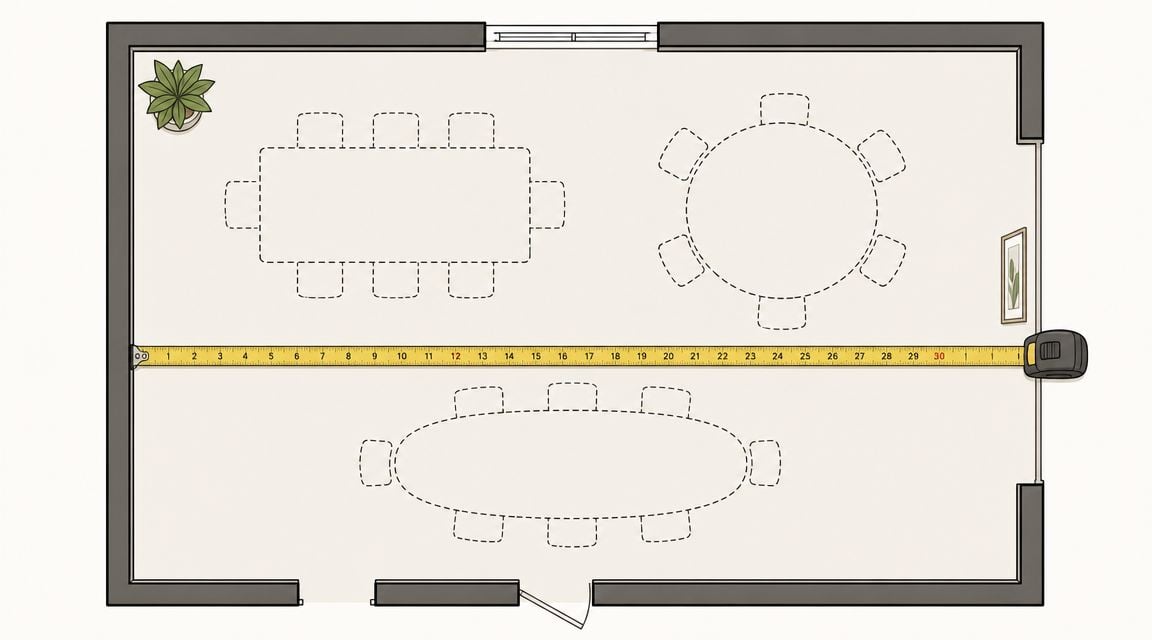
Start with how the room actually functions
A good table size begins with the room's job. Some households use the dining table every night for dinner and homework. Others save it for weekends, holidays, and visiting family. That difference changes what “fits” means.
It helps to map the room the way you live in it:
- Measure the full dining zone. Include nearby walls, door swings, islands, and any walkway people use every day.
- Mark the traffic paths. If someone regularly crosses behind a chair to reach the kitchen or patio, leave room for that route.
- Account for seated space. Chairs need room to slide back comfortably, not just tuck under the top.
- Match the table shape to the room. Rectangular tables usually suit longer spaces. Round tables often work well in tighter or more square rooms because they soften corners and make movement easier.
A simple rule helps: if the room only feels comfortable when every chair stays pushed in, the table is probably oversized.
Shape changes how the room feels
Shape affects flow as much as size. A rectangular driftwood dining table gives structure and works well in many open-concept Florida homes because it lines up naturally with long rooms and kitchen islands. A round table creates a different effect. It acts more like a conversation circle, which can make a smaller breakfast-area dining space feel friendlier and less crowded.
Square tables can work nicely too, though they usually need a room with balanced proportions. In a narrow space, a square top can feel like a cork in a bottle. A narrow rectangular top often keeps the room easier to move through.
Extendable tables solve a common Florida problem
Many homeowners want one table for two jobs. They need a comfortable everyday footprint, but they also want enough seating when family comes down for the holidays or friends gather after a day at the beach. An extendable table handles that better than buying oversized furniture and living around it all year.
Leaves work like adding an extra panel to a porch table before guests arrive. The table stays manageable most of the time, then expands when the occasion calls for it. That flexibility is especially helpful in homes where the dining room is visible from the main living area and extra bulk would make the whole space feel tighter.
If your measurements feel confusing, bring them into the showroom. Room photos, a rough sketch, and wall-to-wall dimensions often make the right choice much clearer. Our team in Longwood regularly helps homeowners compare proportions, extension options, and chair spacing, and this guide on how to choose a dining room table is a useful place to start before your visit.
One more practical note. If you want the room to feel light and relaxed after the table is in place, decor should stay restrained. A small natural centerpiece often works better than anything oversized, and this article on styling your home with bonsai shows one easy way to add that organic touch without crowding the table.
How to Style Your Driftwood Dining Table
Driftwood is one of those finishes that can change personality depending on what sits around it. That's why it works in so many Central Florida homes. The table can lean coastal, farmhouse, or transitional without losing its identity.
One especially strong pairing is the trestle table form. The driftwood aesthetic works well with this classic structure, and trestle tables are widely described as one of the oldest American dining-table types in the broader tradition of table design, as discussed in this history of the trestle dining table. That mix of an aged-looking finish with a time-tested form gives the room a grounded, timeless feeling.
Coastal that feels calm, not themed
In a Florida home, coastal style works best when it stays restrained. A driftwood table can carry the coastal idea without relying on obvious beach motifs.
A polished version of the look often includes:
- Soft upholstered chairs in sand, ivory, or light gray
- Natural texture from woven placemats, linen runners, or a subtle rug
- Simple centerpieces such as a ceramic bowl, greenery, or branches
- Glass or light-toned accents that keep the room feeling airy
A small sculptural plant can also work beautifully as a centerpiece or sideboard accent. For readers exploring organic décor touches, this article on styling your home with bonsai offers useful visual inspiration.
Modern farmhouse and transitional looks
Modern farmhouse gives a driftwood dining room table a little more contrast. Elements like black metal lighting, slightly more substantial chairs, and a fitted bench can create balance. The table brings the weathered softness. The surrounding pieces sharpen the room just enough.
Transitional rooms take another path. They often pair driftwood with cleaner silhouettes and quieter fabrics. A table with visible grain can keep a transitional dining room from feeling sterile, especially when the chairs have simple lines and the storage pieces don't compete for attention.
A few pairings tend to work consistently well:
| Style direction | What supports the table well |
|---|---|
| Coastal | Light upholstery, woven textures, restrained décor |
| Modern farmhouse | Trestle bases, mixed materials, darker accents |
| Transitional | Clean-lined chairs, soft neutrals, minimal centerpiece styling |
For more ideas on finishing the room beyond the table itself, this guide to dining room accessories that complete the space is a strong next read.
Why Shop for Your Table at Slone Brothers
A driftwood dining room table is easier to choose in person than on a screen. Finish depth, surface texture, chair scale, and extension mechanisms are all things that make more sense when a shopper can see and touch them.
That's where a local showroom matters. A homeowner in Central Florida can bring room photos, measurements, and finish samples into the conversation and compare options in a way that's difficult to do online. That process usually leads to better decisions, especially when the table needs to fit a specific style and floor plan.
What matters in a local showroom
A useful shopping experience usually comes down to a few basics:
- Real finish comparison. Driftwood can range from warm and sandy to cooler and more gray.
- Construction visibility. It's easier to inspect joinery, bases, leaf storage, and top thickness in person.
- Chair pairing help. Many tables look different once actual seating is placed around them.
- Room planning support. Dimensions make more sense when someone helps translate them into daily use.
Slone Brothers Furniture in Longwood, Florida serves the Greater Orlando area and offers dining furniture, custom-order options, an in-house design team, home delivery, and a Low Price Promise. For shoppers who want to browse dining categories before visiting, the main dining furniture collection is the logical starting point.
Where customization becomes useful
Customization matters most when the room has specific needs. Some buyers need a certain finish temperature. Others need a particular shape, base style, or seating plan that doesn't block traffic.
That's where American-made and Amish-crafted lines become especially relevant. Brands such as Canadel, Simply Amish, and Mavin appeal to shoppers who want stronger control over scale, finish, and long-term build quality. The result is often a table that fits the home more precisely instead of forcing the room to adapt to a one-size-fits-all piece.
Common Questions About Driftwood Dining Tables
Are driftwood tables durable enough for everyday use
Yes, when they're built for indoor dining use and finished properly. The finish may look weathered, but that doesn't mean the table is delicate. A quality piece should handle everyday meals, family use, and regular chair movement without feeling precious.
The key is construction and finish quality, not whether the table looks rustic.
Can this style work in round or custom options
Yes. Driftwood isn't limited to one silhouette. It can work on rectangular, round, oval, pedestal, and trestle forms, depending on the collection or custom program.
That flexibility helps in Central Florida homes where one dining space may need to solve for a narrower footprint, a softer traffic pattern, or a more open visual feel.
What's the simplest way to care for the finish
Regular, gentle cleaning is usually enough. A soft cloth and routine attention go a long way. The goal is to remove dust and everyday residue without treating the table like a fragile antique.
A few habits help most:
- Use placemats when needed. They reduce wear from frequent daily use.
- Wipe spills promptly. That keeps moisture from sitting on the surface.
- Avoid harsh cleaners. Strong products can interfere with the finish appearance.
- Keep care consistent. A little routine maintenance is easier than heavy restoration later.
For households that want more personalized guidance, bringing finish questions into the showroom can help narrow down which tables are easier to live with based on lifestyle, kids, entertaining habits, and room conditions.
Ready to find the perfect piece for your home? Visit the Slone Brothers Furniture showroom in Longwood, FL, and let their design experts help get the process started.