

Blue Handle Flatware Guide for Stylish Dining


A summer dinner in Central Florida often begins casually. A host brings out iced tea, a favorite wooden dining table is dressed with crisp linens, and the flatware becomes one of the first details guests notice. Blue handle flatware pairs stainless-steel working ends with blue polymer or finished handles, giving an ordinary place setting a deliberate color accent without requiring a complete redesign.
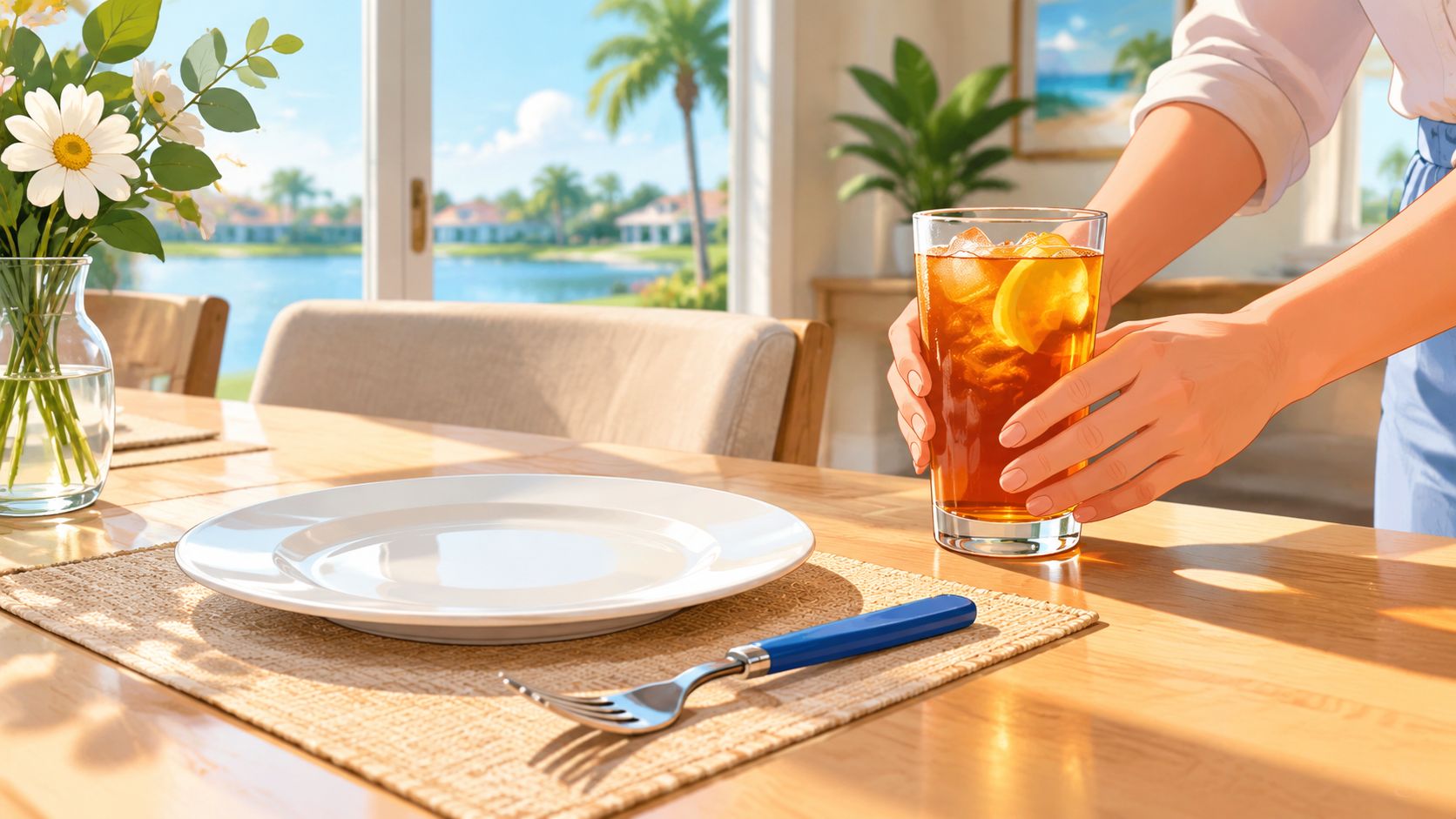
For a discerning homeowner in Orlando, Lake Mary, Winter Park, or Longwood, the important question isn't whether the blue looks attractive. The stronger question is whether the handles feel comfortable, the metal suits repeated use, and the color treatment can withstand the household's cleaning routine. A beautiful table accessory becomes a poor investment when its finish fails before the rest of the dining room does.
Blue-handled utensils also deserve a place in a larger design conversation. They can connect coastal tones, painted cabinetry, patterned china, natural wood, and upholstered dining chairs into a composed whole. The same principle applies throughout a home, where thoughtful accents work best when they support the room rather than compete with it. A curated home decor collection can help homeowners consider those relationships across dining, living, and entertaining spaces.
The following guidance looks past novelty. It explains how blue handle flatware is constructed, how to compare finishes, why dishwasher habits matter, and how to choose a set that feels appropriate for both everyday family meals and more polished gatherings.
Introduction to Blue Handle Flatware for Modern Homes
Blue handle flatware emerged from a longer history of colorful household utensils. Knife and fork handles made from celluloid were already common by the 1880s, and inexpensive stainless-steel flatware with colorful plastic handles, including blue, became increasingly familiar during the late 1920s and 1930s as synthetic materials made coordinated tableware more accessible. The history of Bakelite and early synthetic tableware places modern colored-handle designs within that broader material transition.
The change continued after World War II. Plastic utensils appeared in the 1940s, entered mass production by the 1950s, and had replaced many wood, metal, and glass kitchen materials in everyday home use by the 1960s, helping colored-handle flatware become a durable mainstream category across major consumer markets. This history of plastic utensils helps explain why blue handles can feel both nostalgic and thoroughly contemporary.
A small detail with architectural influence
Consider a Lake Mary dining room with pale walls, a solid wood table, woven chairs, and windows that bring in bright Florida light. A blue handle can echo the cooler tones of a rug or artwork, while the stainless-steel blade and tines preserve a clean, polished appearance. The result feels intentional, but not overly formal.
In another home, the same flatware might sit beside white dinnerware and linen napkins during a Sunday breakfast. Later, it could support a more elaborate dinner with glassware, candles, and patterned textiles. The color creates continuity while the surrounding pieces determine the mood.
Design principle: The strongest tabletop accents repeat a room's color story without copying every surface.
Why quality deserves attention
A discerning buyer shouldn't evaluate a set by hue alone. The handle's polymer, the working end's steel grade, the connection between the two, and the finish applied to the surface all influence how the utensils feel and age. A set that costs more may justify that investment when it offers better balance, more comfortable handling, and a finish suited to the household's actual routine.
That approach aligns with the way Central Florida homeowners often furnish an entire home. Dining accessories should complement the table, chairs, lighting, rugs, and surrounding decor. They shouldn't be treated as disposable decorations that need frequent replacement.
What Makes Blue Handle Flatware Different
A blue handle can look like a simple color choice in a product photograph. In daily use, it is a materials decision. Blue handle flatware typically pairs stainless-steel working ends with polymer handles made from materials such as polypropylene or thermoplastic elastomer, also called TPE. Those materials can create a lighter feel, a more secure grip, and better comfort during repeated handling. An example of polymer-handled flatware construction shows why the handle deserves as much attention as its color.
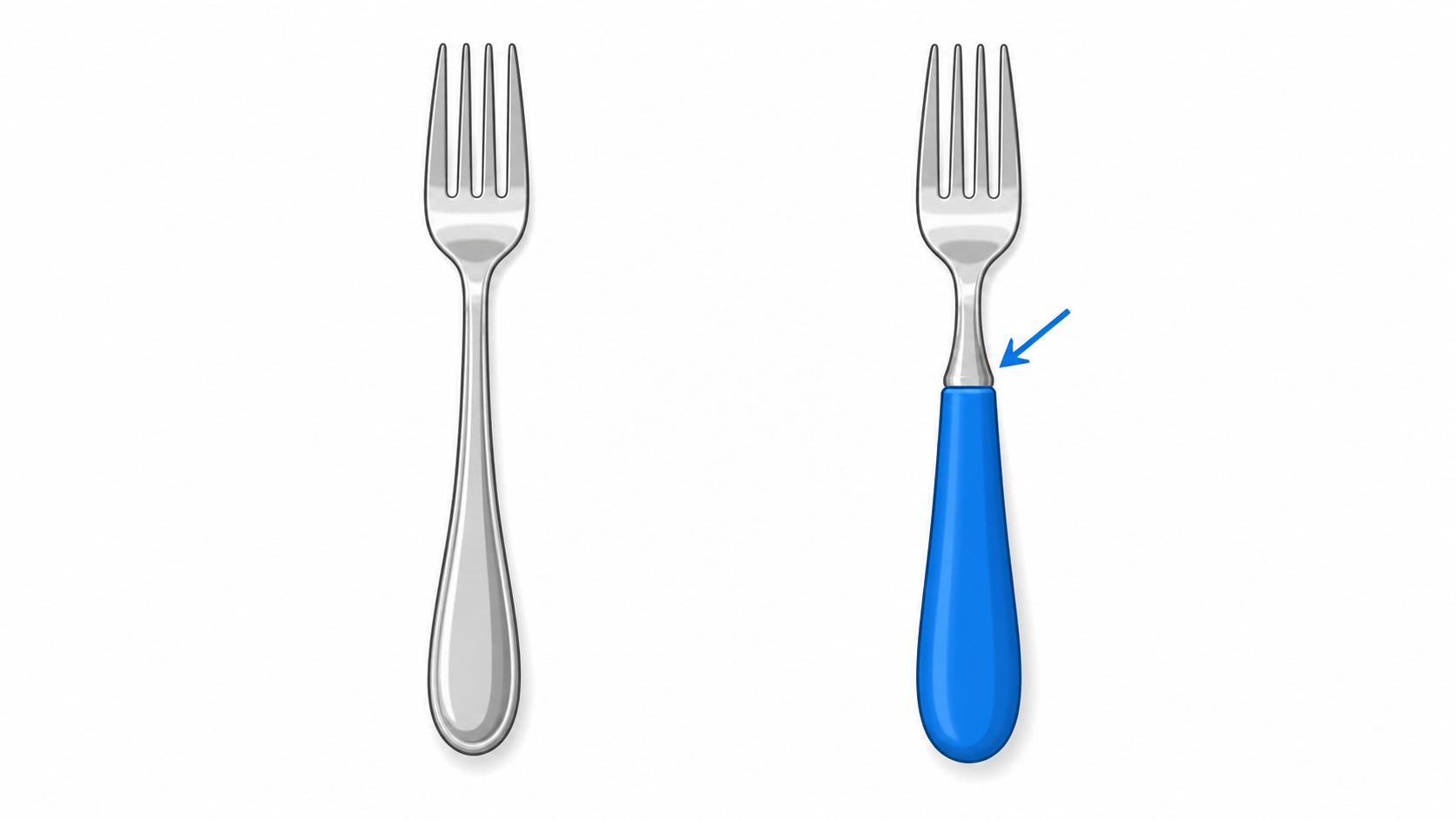
A utensil behaves like a small piece of furniture. The steel is the frame, responsible for the knife edge, fork tines, or spoon bowl. The handle is the upholstery for the hand, shaping contact, warmth, and grip. A strong frame cannot make up for an uncomfortable surface, and an attractive handle cannot compensate for weak or poorly finished metal.
Start with the working end
Stainless steel generally resists the corrosion and staining associated with all-metal pieces, but dishwasher performance still depends on the underlying metal grade and the quality of the finish. The steel also affects whether knife edges stay stable and fork tips retain their shape through regular use.
Look for these details:
- Balanced proportions: The utensil should not feel handle-heavy or awkwardly weighted.
- Clean shaping: Fork tines, knife edges, and spoon bowls should appear even and carefully formed.
- Secure construction: The joint between handle and steel should feel stable, with no movement or rough seam.
- Comfortable grip: The handle should sit naturally in the palm during a longer meal.
For broader context on the relationship between metal surfaces and interiors, review what to know about metal accents in home decor. The same attention to finish helps a blue handle feel considered rather than merely decorative. Readers comparing stainless steel with other materials can also consult health-friendly kitchen gear.
Then assess the handle
Polymer handles can reduce weight and provide a warmer touch than exposed metal. Their shape may also support the fingers, which can matter for older adults, frequent entertainers, or anyone who prefers a less rigid utensil.
The polymer itself does not determine longevity. Density, surface texture, molding quality, and the attachment method all affect the experience. A glossy handle may feel polished and formal, while a gently textured surface can offer a steadier grip during busy meals.
Dishwasher heat, detergent, salts, and abrasion can gradually affect decorative surfaces, especially when blue color comes from a coating rather than colored material throughout the handle. The finish is therefore part of ownership, not just appearance. Blue is the visual decision, but construction is the ownership decision. A homeowner in Winter Park or Altamonte Springs should evaluate the complete utensil before deciding whether its color merits a place at the table.
How to Choose the Right Blue Finish and Handle Style
The right blue finish depends on more than the shade shown in a product photograph. A buyer should compare hand feel, surface treatment, table formality, cleaning habits, and frequency of use before selecting a set. Matte, glossy, brushed, and PVD-coated surfaces each create a different relationship between color, light, and wear.
Compare the finish before choosing the color
A glossy blue surface reflects more light and can look lively beside white porcelain or glass. Matte blue feels quieter and often suits natural wood, woven textures, and relaxed coastal interiors. Brushed surfaces introduce subtle texture, while PVD treatments can produce saturated decorative color on metal surfaces.
Industry guidance cautions that colored PVD coatings and other decorative finishes vary considerably in durability. Heat, detergents, salts, and abrasion in dish machines can accelerate dulling, scratching, and discoloration. Satin and brushed finishes are often favored in commercial environments because their texture hides fine scratches more effectively than mirror-polished or color-coated surfaces. Guidance on flatware weights and finishes provides useful context for that distinction.
| Finish Type | Look and Feel | Durability Notes | Best For |
|---|---|---|---|
| Matte blue | Soft, calm, low reflection | Surface marks may be less visually prominent than on high gloss, but care still matters | Casual dining and relaxed interiors |
| Glossy blue | Bright, polished, decorative | Scratches and dulling can be easier to notice under strong light | Entertaining and formal table settings |
| Brushed blue | Textured, restrained, tactile | Fine wear may blend into the grain-like surface | Frequent use and practical elegance |
| PVD-coated blue | Saturated, refined, often highly uniform | Coating durability varies, and abrasion or dish-machine conditions can affect the color | Homeowners seeking a strong color statement |
Let the hand decide
A dining set should feel natural before it looks perfect. Rounded handles can suit relaxed meals, while straighter profiles may feel more architectural. Larger handles can provide reassurance for people who prefer a substantial grip, whereas slender forms may complement delicate dinnerware.
Before purchase, a homeowner should hold the fork, knife, and spoon separately. The knife may feel more handle-heavy because of its blade, and that difference can affect whether the complete place setting feels balanced.
Selection rule: If a set looks beautiful but feels awkward in the hand, the design won't become more comfortable after repeated meals.
Match the finish to the household
A rarely used entertaining set can justify a more reflective or highly saturated surface. A household that serves meals daily, hosts children, or runs utensils through a dishwasher frequently may prefer a finish that makes ordinary wear less conspicuous.
The purchase should also suit the room's permanent materials. Blue with warm oak or walnut creates contrast. Blue with pale painted furniture feels crisp. Blue with brushed metal lighting can look coordinated, while too many competing finishes may make the table feel visually busy. For guidance on combining shades across a home, an expert guide to the perfect color palette can provide a useful design framework.
Will the Blue Stay Blue and How to Care for It
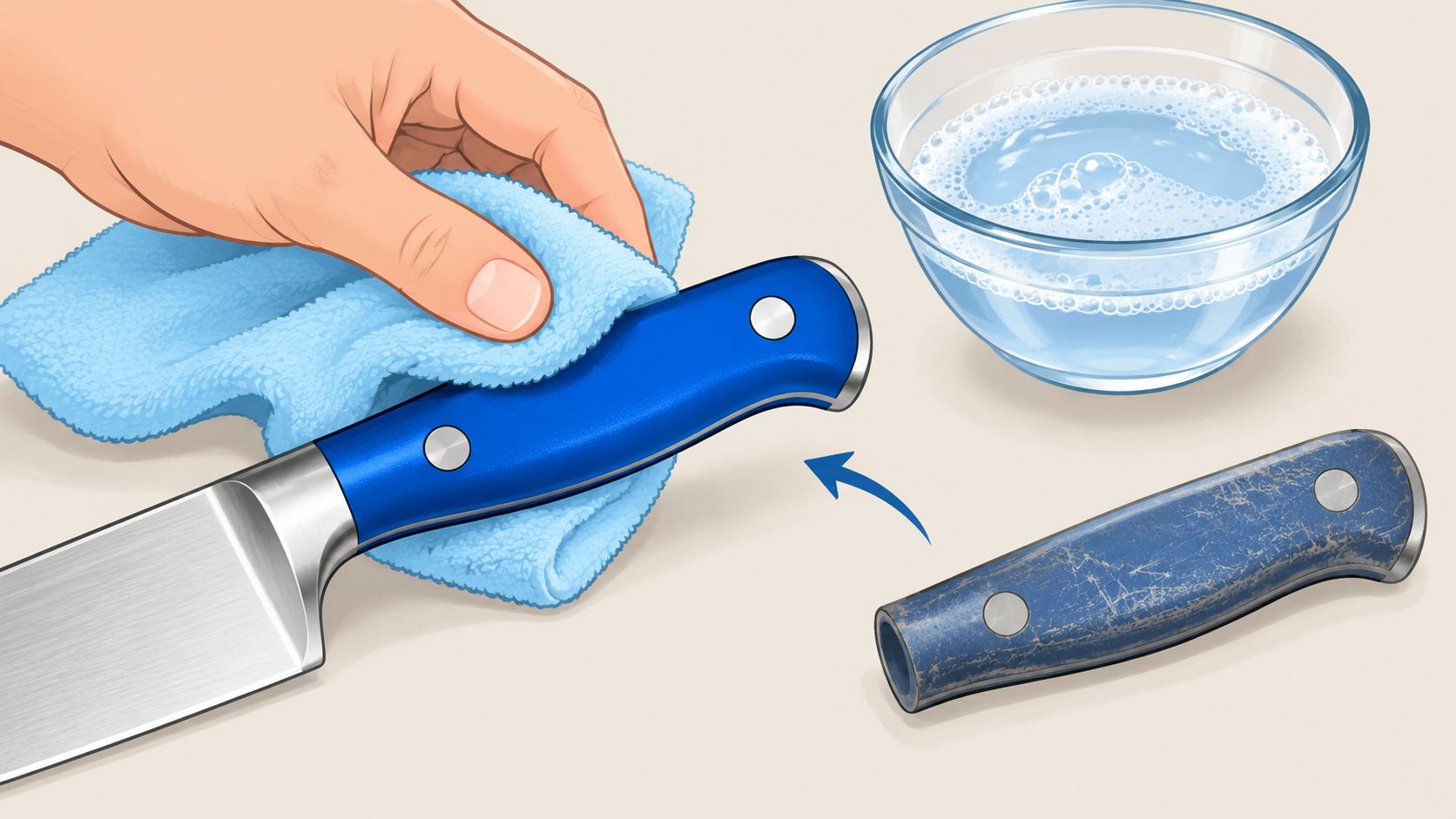
A blue finish can look fresh through years of meals, but its staying power depends on three parts working together: the handle material, the metal beneath it, and the care routine. The blue is a surface treatment, so fading or scratching can occur before the stainless-steel working end shows meaningful wear. Heat, detergent chemistry, salt, and contact with harder utensils can gradually dull or mark the decorative surface. Industry guidance on colored flatware care identifies these conditions as important wear factors.
Treat the surface as a finish
Many colored sets use PVD, a coating applied over the base metal. It can provide a consistent blue appearance, but it is still a finish rather than solid blue metal. As with a painted cabinet or plated faucet, the surface needs protection from repeated abrasion. Neutral care guidance notes that color may fade gradually through normal use, while hand washing and separation from hard pieces can help preserve it. Practical product-care guidance for colored flatware also reinforces that the manufacturing method matters more than the shade alone.
A practical routine includes:
- Wash promptly: Food residue and salt left on the surface can increase the work required of detergent.
- Use a gentle approach: Hand washing reduces exposure to the heat, pressure, and abrasion common in many dish-machine cycles.
- Dry thoroughly: A soft cloth limits water spots and keeps moisture from remaining near handle connections.
- Store with separation: Dividers or careful placement reduce rubbing between colored surfaces and harder metal pieces.
- Inspect the connection: Any looseness between the handle and working end should be addressed before continued heavy use.
Adjust care to Florida living
Central Florida homes may shift between air-conditioned rooms, humid outdoor entertaining, and frequent gatherings. A set used beside a covered patio or near a pool may be washed and handled more often than one reserved for occasional formal meals. That pattern matters more than the color itself.
Blue handle flatware does not need fragile treatment. It does need an honest match between construction and routine. If machine washing follows nearly every meal, choose a finish and handle assembly intended for that level of use rather than selecting only by the strongest blue.
Consider hospitality expectations
According to this discussion of colored-handle cutlery in hospitality, hotels are adopting colored-handle cutlery designed to resist scratches, fading, and chipping through repeated washing. That context shows how the category is developing beyond decoration, although household buyers should still follow the care instructions for the specific set.
The lasting choice is measured. Blue handle flatware can support everyday dining when its finish suits the household, its construction is well made, and the surface receives informed care. The blue stays convincing longest when buyers treat it as a material decision, not just a color preference.
Styling Blue Handle Flatware for Everyday and Entertaining
Blue handle flatware works best when it connects with something already present in the room. The connection might come from a napkin, a painted cabinet, a glass, a rug, or a small piece of artwork. The table feels designed when the blue appears as part of a conversation rather than as a solitary accent.
Build an everyday setting
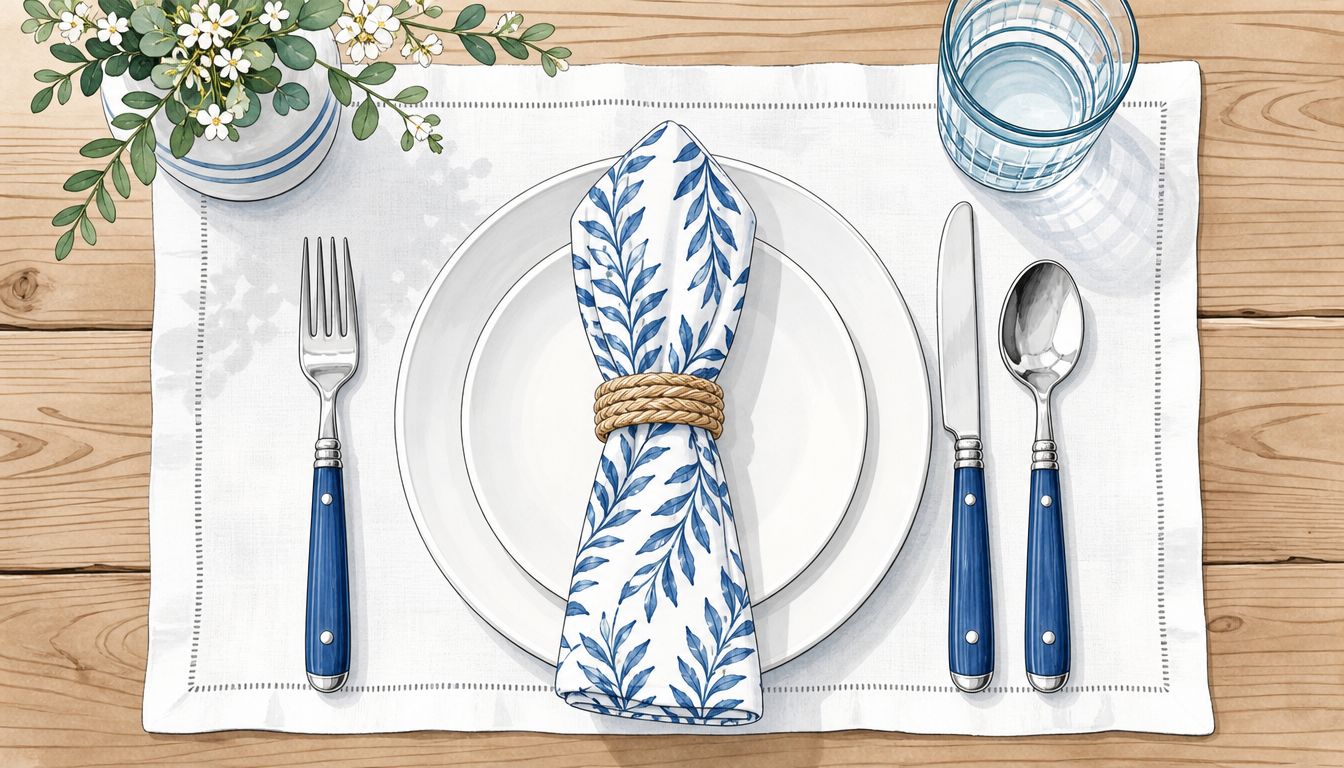
For breakfast or a relaxed family dinner, pair blue handles with white dinnerware, a natural wood surface, and a simple cotton napkin. The white keeps the setting fresh, while the wood prevents the blue from feeling overly cool. Clear or lightly tinted glassware can complete the arrangement without introducing another dominant color.
A place setting should remain easy to use. The fork belongs to the left of the plate, with the knife and spoon to the right, and the knife blade turned toward the plate. Keeping the utensils aligned and evenly spaced creates polish without requiring excessive decoration.
Add pattern with control
A floral or botanical napkin can soften a strong blue handle. A striped textile can create a more polished mood, while a patterned dinner plate can make the table feel collected over time. The surrounding pattern should share at least one visual relationship with the blue, whether through a small accent, a cool background, or a complementary neutral.
For homeowners who enjoy distinctive tabletop moments, original tabletop artworks for sale can provide inspiration for bringing artful composition into dining spaces without making the table feel crowded.
A polished dinner setting may use:
- White or pale plates: These make the blue immediately legible and keep the overall arrangement bright.
- Natural linens: Linen and woven textures temper the formality of polished steel.
- Warm wood tones: Walnut, oak, and medium wood finishes provide contrast and visual warmth.
- Measured centerpieces: Low arrangements preserve conversation and let the place settings remain visible.
- One supporting accent: A blue glass, napkin ring, or artwork detail is usually enough to reinforce the color story.
Connect the dining room to the home
Blue handle flatware can become a bridge between dining furniture and adjacent rooms. In an open Central Florida floor plan, the color might repeat in a living room pillow, an entryway piece, or a small wall accent. The repetition should be subtle, so the home feels cohesive rather than color-coded.
A dining table also needs the right physical setting. The scale of the chairs, the height of the lighting, the texture underfoot, and the storage available for serving pieces all influence how the flatware reads. Guidance on accessories and surrounding details is available in this resource on how to go beyond the table with dining room accessories.
The strongest result isn't a themed table used once. It's a flexible arrangement that feels natural on an ordinary evening and remains composed when guests arrive.
Where to Find Blue Handle Flatware in Central Florida
Blue handle flatware is easier to judge in person than through an online photograph. A screen can show color, but it can't communicate whether the handle feels secure, whether the knife balances naturally, or whether the blue appears soft, saturated, gray, or glossy under Florida daylight.
That difference matters in a purchase built around touch and repeated use. A homeowner in Orlando may have a very different impression of the same set after holding it beside a dining chair, wood finish, or piece of dinnerware in an actual showroom. The evaluation becomes design consultation rather than visual guesswork.
Why local selection helps
A Longwood showroom offers a practical setting for comparing:
- Weight: Whether the set feels light and agile or substantial and formal.
- Balance: How the knife, fork, and spoon sit in the hand.
- Color: Whether the blue suits the homeowner's existing dining room palette.
- Construction: Whether seams, edges, and attachments appear carefully finished.
- Coordination: How the flatware relates to dining tables, chairs, lighting, and decor.
Residents searching for local furniture stores near me in Longwood, Altamonte Springs, Sanford, Lake Mary, and the wider Orlando area can benefit from that face-to-face assessment, especially when furnishing more than one room.
Choose expertise over automation
A quality showroom should provide experienced design consultants, not commission-driven order takers who rush a decision. Complimentary in-home design services can help a homeowner determine whether blue belongs at the dining table, how it relates to existing furniture, and which surrounding materials will make the color feel timeless.
Custom-order programs also matter when the desired finish, configuration, or supporting furniture isn't immediately available. White-glove delivery and post-purchase service add value because the purchase continues beyond the moment of selection.
Slone Brothers identifies itself as a family-owned business in Longwood, Florida, serving Central Florida since 1980. The company's local-legacy information supports the value of an established neighborhood showroom where homeowners can receive personal guidance over time.
For a new-home owner in Sanford or Lake Mary, blue handle flatware may be one detail within a larger dining plan. For a Winter Park homeowner refreshing an established interior, it may be the final accent that brings existing pieces together. Local expertise helps distinguish those two needs.
A thoughtful host may also appreciate complementary eco-friendly gifts for new homes when welcoming guests or celebrating a move. The principle remains the same, useful objects should support a home's character and last beyond a single occasion.
Invest in Tableware That Lasts Beyond the Trend
Blue handle flatware earns its place at a refined table when the buyer evaluates more than the color. Working-end steel, polymer quality, handle balance, finish durability, care requirements, and room coordination all contribute to long-term value.
The most responsible selection begins with an honest household assessment. A set used for daily family meals should be comfortable, practical, and compatible with the preferred washing routine. A set reserved for entertaining can prioritize visual richness, distinctive shaping, or a more formal surface. Neither choice is automatically superior. The right choice fits the way the home operates.
Think in terms of ownership
Heirloom-quality purchases often require more consideration up front because the buyer is paying attention to construction, materials, finish, and service rather than selecting the first attractive option. That investment can offer stronger value over time when the pieces remain useful, comfortable, and visually appropriate as the surrounding home evolves.
The same thinking applies to dining furniture. Solid hardwood construction and traditional joinery are commonly associated with Amish-made furniture, where buyers often prioritize durability and long service life over mass-produced price competition. More on Amish craftsmanship and long-term furniture value illustrates why material decisions deserve careful attention across the entire dining room.
A blue handle can be expressive without becoming temporary. Choose a shade that relates to the home, a shape that feels natural in the hand, and a finish that matches the household's willingness to care for it. Then store the set thoughtfully and let the rest of the table remain restrained.
The result is more than a colorful utensil. It's a small, functional element within a home that feels considered, welcoming, and built for real use.
Ready to invest in furniture and dining details that last beyond a passing trend? Visit Slone Brothers Furniture in Longwood, Florida, where experienced design consultants can help Central Florida homeowners coordinate blue handle flatware with dining furniture, home decor, and a complete room vision. Connect face-to-face, explore materials and finishes in person, and receive thoughtful guidance without automated chatbots or pressure.