
Modern Corner Curio Cabinet A Buyer’s Guide for Orlando


Some corners in a home seem to resist every good idea. A plant looks too small. A chair feels random. A floor lamp helps for a while, but the area still reads as unfinished.
That’s especially common in Central Florida homes, where living rooms, dining areas, and home offices often need to do more than one job. If you’ve got an open corner in Orlando, Longwood, Lake Mary, or Sanford, a modern corner curio cabinet can solve a very specific problem. It gives that forgotten space purpose, while also letting you display the things that make your home feel personal.
Unlike bulky storage furniture, this piece is meant to be seen through. It protects collectibles, heirlooms, glassware, and keepsakes, but it also acts like architecture. It finishes the room.
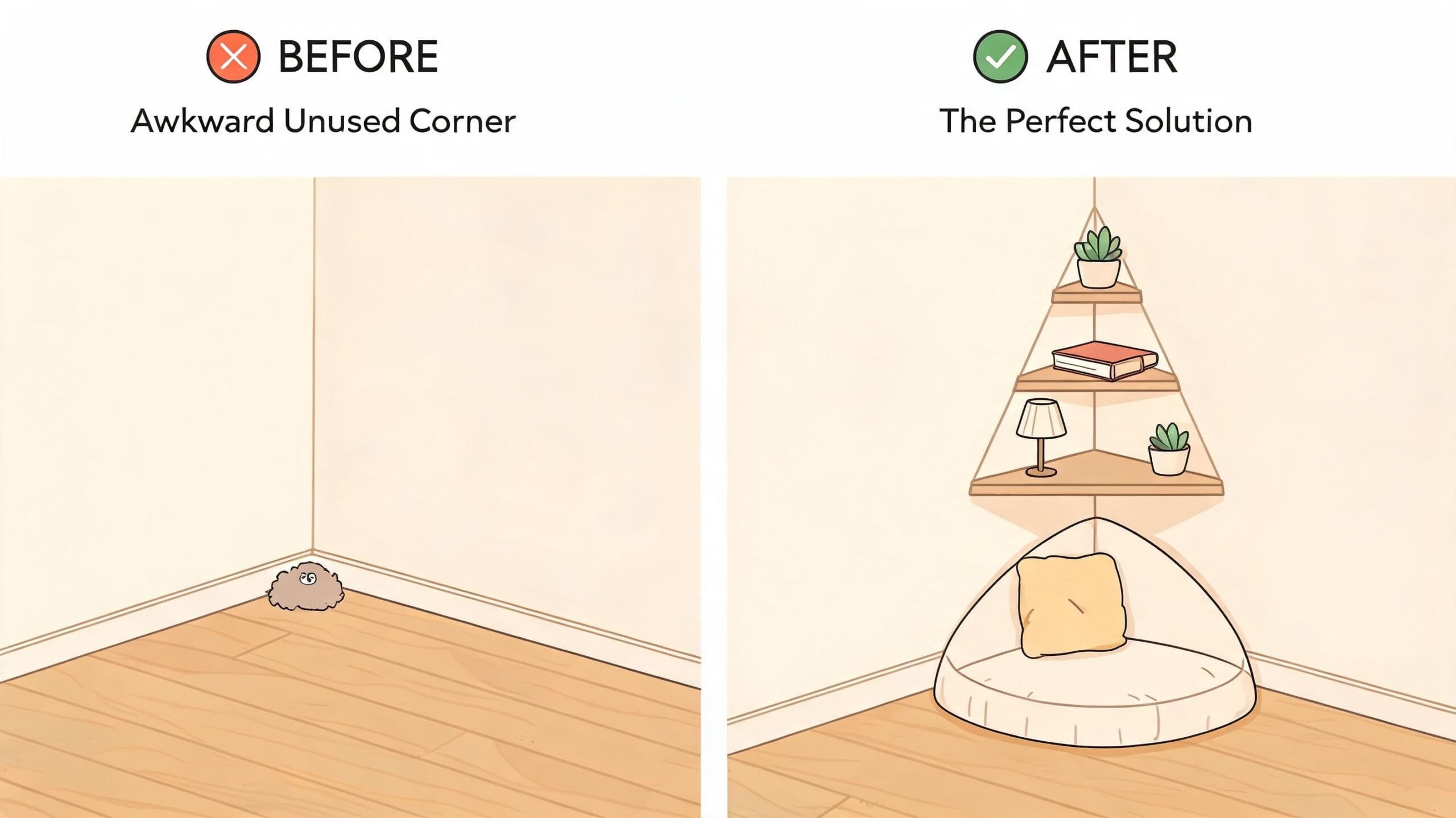
The Perfect Solution for That Awkward Corner
A lot of homeowners walk into a room and know exactly where the problem is. It’s that one bare corner near the dining area. Or the tight spot beside a writing desk. Or the angle in the living room that seems too narrow for a bookcase and too empty to ignore.
That’s where a modern corner curio cabinet makes sense. It doesn’t just fill space. It uses a part of the room that often goes to waste and turns it into a display feature.
Think about a typical Central Florida home. You may have a breakfast nook that opens into the family room, or a compact office that also holds guest-room overflow. In those spaces, every square foot matters. A corner display piece can feel much lighter than a wide cabinet pushed against a wall.
Why this piece works so well
A corner curio cabinet solves three problems at once:
- It uses overlooked space instead of taking over the center of the room.
- It protects meaningful objects behind glass, which matters if you have kids, pets, or just don’t want to dust every day.
- It adds height and polish without the visual heaviness of a solid case piece.
Practical rule: If a corner feels empty but a standard cabinet feels too deep, a corner curio cabinet is often the right middle ground.
There’s also a design reason people love these pieces. They give the eye a destination. A room with one thoughtful display usually feels more finished than a room with several small filler items.
If you’re already thinking about how corners can work harder in your home, pieces like a corner kitchen table can solve a similar layout challenge in breakfast rooms and eat-in spaces.
What Defines a Modern Corner Curio Cabinet
A modern corner curio cabinet is first and foremost a display piece. That sounds obvious, but it’s where people often get confused. They compare it to a china cabinet, a bookcase, or a general storage tower, even though it’s built for a different job.
Its main purpose is to show objects clearly and beautifully, not hide them away.
Display first, storage second
Most modern corner curio cabinets use glass on multiple sides, often with a mirrored back, built-in lighting, and adjustable shelves. That construction helps light move through the cabinet and makes objects easier to see from different angles.
A china cabinet, by contrast, usually mixes display and closed storage. It may have glass at the top, but it often has drawers or solid doors below. That’s useful for serving pieces and table linens. A curio cabinet is more focused. It gives your objects the spotlight.
Here’s a simple comparison:
| Piece | Best use | Visual feel | Typical placement |
|---|---|---|---|
| Modern corner curio cabinet | Displaying collectibles, art objects, heirlooms | Light, vertical, viewable from more than one side | Corners in living rooms, offices, dining areas, entry spaces |
| China cabinet | Storing and displaying dishware | Heavier, more traditional, more enclosed | Dining rooms |
| Bookcase | General storage and display | Open and casual | Almost anywhere with flat wall space |
The shape matters
The corner version is what makes this category especially useful in homes around Orlando. These cabinets are typically wedge-shaped so they sit neatly into a room corner rather than projecting far into the walkway.
Many also have a tall, narrow profile, which helps them feel substantial without feeling bulky. In design terms, that’s why they work so well in condos, apartments, and older homes with tighter room layouts.
A good curio cabinet doesn’t ask the room to revolve around it. It fits the room, then quietly improves it.
Why it’s called a curio cabinet
The history is more interesting than many expect. The modern corner curio cabinet traces its roots to 16th-century European “cabinets of curiosities” or Wunderkammern, which were entire rooms dedicated to displaying natural history, art, and antiquities. By the 19th century, that idea evolved into the furniture form we know today as families used it to display treasured objects, as described in the history of the cabinet of curiosities.
That background helps explain why these cabinets still feel special. They aren’t just storage furniture with glass doors. They come from a tradition of collecting, arranging, and telling a story through objects.
What makes it modern
A modern version usually has cleaner lines, less ornament, and a finish that works with current interiors. You’ll often see:
- Minimal frames in wood or metal
- Glass-forward construction for better visibility
- Mirrored backs that increase depth
- Adjustable shelves for changing collections
- Integrated lighting that highlights rather than overwhelms
If your style leans contemporary or transitional, a cabinet like this can fit naturally alongside ideas in the elements of a modern home. It gives you a traditional concept in a cleaner, more current form.
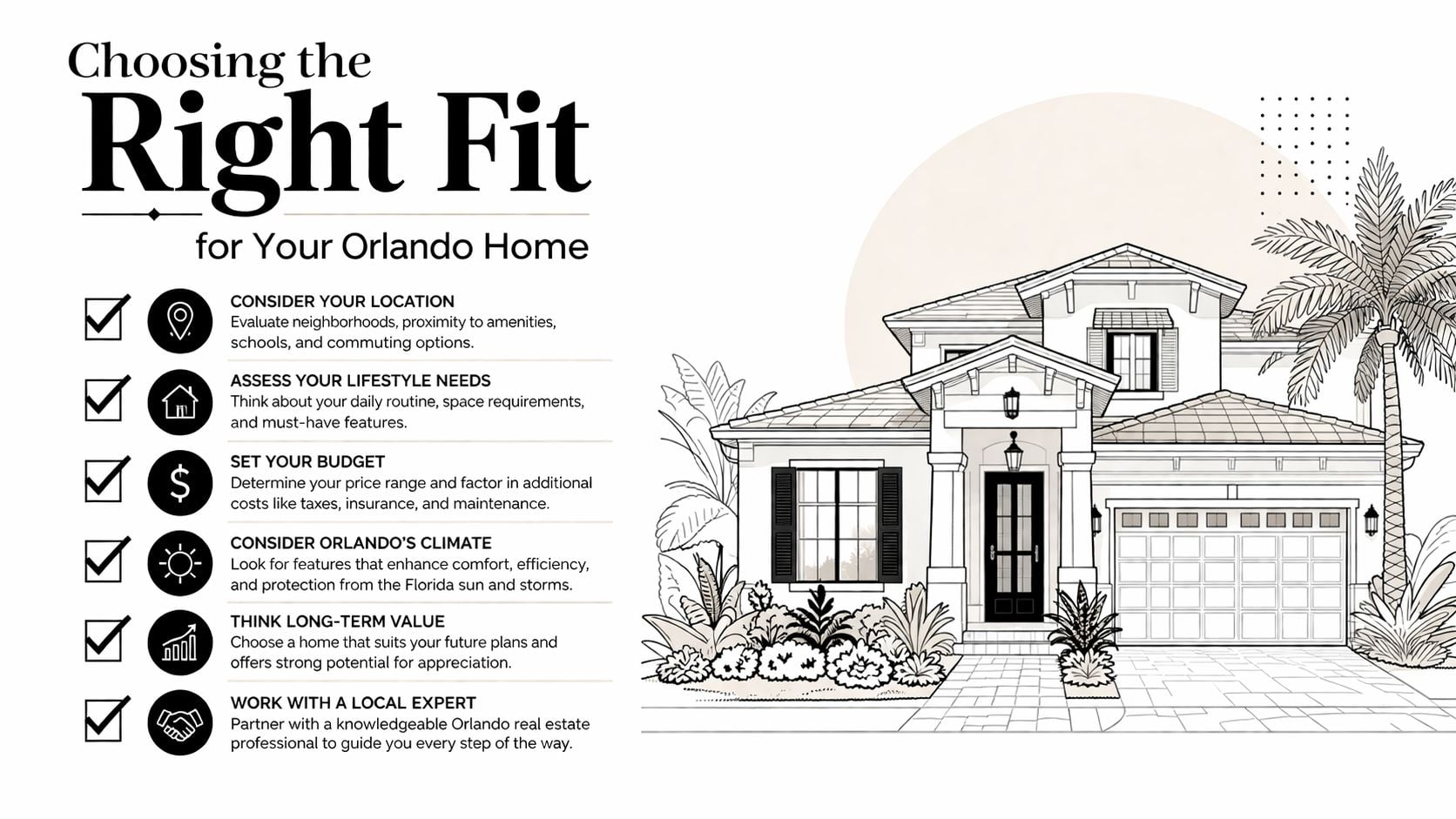
Choosing the Right Fit for Your Orlando Home
People often focus on style first, then measure later. With a corner cabinet, that order usually causes trouble.
A modern corner curio cabinet has to work with walls, trim, flooring, traffic flow, and ceiling height. In Central Florida, that matters even more because many homes have a mix of open-plan spaces, older baseboards, uneven slab floors, and corners that look square until you put furniture in them.
Start with the corner itself
Don’t measure only the front opening. Measure the actual corner.
Use a tape measure and note:
- The distance from the corner out along each wall
- The height from floor to ceiling
- The baseboard depth
- Any outlet, vent, window trim, or door swing nearby
Many buyers find themselves tripped up at this stage. A cabinet may look compact in a photo, but the baseboard can push it forward enough to change the fit. If the walls aren’t perfectly straight, the top may sit differently from the bottom.
Think about what happens around the cabinet
A corner piece doesn’t live in isolation. People still need to walk past it, open nearby doors, and use adjacent furniture comfortably.
Ask yourself:
- Will chairs back into it from a dining table?
- Will sunlight hit the glass directly at certain times of day?
- Will a nearby sofa arm or side table crowd the view?
- Can the door open fully without bumping another piece?
These questions matter just as much as the cabinet dimensions.
Why corner cabinets work in smaller layouts
For small-space living common in Central Florida, a corner curio cabinet’s triangular projection can reduce usable floor area by only 3-5 sq ft versus 10-15 sq ft for a traditional linear display unit, and that efficiency can increase a room’s perceived volume by up to 15%, according to the product details for a modern corner curio cabinet.
That’s one reason these cabinets often feel surprisingly easy to place in a condo, apartment, townhouse, or mid-century ranch home. They occupy a corner that wasn’t doing much anyway.
A simple measuring checklist
Before you shop, write down these details:
- Wall run: How much space you have from the corner outward on both sides
- Trim depth: Baseboards and shoe molding can affect how flush the cabinet sits
- Floor condition: If the room slopes slightly, stability features become more important
- Viewing angle: Decide whether the cabinet will be seen mainly from the front or from several sides
- Object size: Measure your tallest vase, sculpture, or collectible before choosing shelf spacing
Bring your measurements, photos, and a quick room sketch when you shop. It makes the selection process much easier.
If you want a more complete room-planning method, this guide on how to measure a room for furniture can help you avoid the most common fit mistakes.
One more Orlando-specific tip
Older rentals and homes in the area can have corners that aren’t perfectly true. Newer homes can have trim details that narrow the usable footprint more than expected. So when you measure, do it twice and check both low and high points on the wall.
That extra five minutes can save a lot of frustration later.
Selecting Quality Materials Finishes and Features
Two cabinets can look similar online and perform very differently in your home. That’s why material quality matters so much.
With a modern corner curio cabinet, the details aren’t cosmetic. The glass affects safety. The lighting affects how your display looks every day. The shelf system affects what you can confidently place inside. In Central Florida, the cabinet also has to hold up in a humid environment.

Start with the glass
Glass is one of the biggest quality markers in this category. High-end modern corner curio cabinets use tempered glass that is 4-5x stronger than standard glass, and many also include top-mounted LED lighting that slashes energy use by 80% while eliminating heat that could damage delicate collectibles or wood finishes. Features like adjustable levelers are also important for stability on uneven floors, as noted in details for the Casten glass corner curio cabinet.
That single set of features tells you a lot.
Tempered glass helps with peace of mind. LED lighting helps preserve both your display and the cabinet itself. Adjustable levelers matter more than people think, especially in homes where the floor isn’t perfectly even.
Why wood construction still matters
The frame gives the cabinet its long-term stability. Solid hardwood and well-made veneers generally feel more substantial and age better than low-grade, lightweight construction.
That doesn’t mean every room needs a traditional heavy wood cabinet. Modern designs can still look sleek and efficient. What matters is whether the cabinet feels stable, whether the doors operate smoothly, and whether the finish looks intentional rather than thin or plasticky.
If you want a better sense of how wood species and construction affect durability, this guide on choosing the right hardwood for longevity and style is worth reading.
Features that are worth paying attention to
Some cabinet features sound minor until you live with them. Then they become the difference between a piece you enjoy and one you merely tolerate.
Here are the ones we tell shoppers to notice first:
Mirrored back panels
These help reflect light and make shelves feel deeper. They’re especially useful if the cabinet sits in a darker corner.Adjustable shelves
A fixed layout can be frustrating if your collection changes. Adjustable shelving gives you flexibility for taller or oddly shaped pieces.Built-in lighting
A lit cabinet looks finished at night and keeps small objects from disappearing visually in shadow.Levelers at the base
These help the cabinet sit correctly when floors aren’t completely flat.Door design and hardware
Smooth, sturdy operation matters. If the door feels flimsy in a showroom, it won’t improve over time.
What to test in person: Open the door. Look at the shelf edges. Check the reflection in the mirrored back. Then stand a few feet away and see whether the cabinet still looks balanced.
LED versus older lighting styles
Lighting deserves its own decision. Older cabinet lights can create warmth in tone, but modern LED systems tend to be easier to live with. They run cooler, use less energy, and are gentler on wood finishes and sensitive collectibles.
That matters if you plan to display anything delicate, from paper items to antique finishes to family keepsakes you don’t want exposed to unnecessary heat.
Finishes for a Central Florida home
Finish choice isn’t just about color. It’s also about where the cabinet will live.
A darker finish can ground a bright room with lots of tile and sunlight. A lighter or mid-tone finish can keep a smaller room from feeling visually crowded. In homes that mix coastal, transitional, and contemporary elements, a simple finish usually gives you more flexibility over time.
A few practical pairings:
| Room style | Finish direction | Why it works |
|---|---|---|
| Modern condo | Black, espresso, or clean-lined metal and wood | Keeps the silhouette crisp |
| Transitional home | Medium brown or soft cherry tone | Bridges classic and current furniture |
| Light coastal interior | Airier wood tone with minimal detailing | Adds warmth without heaviness |
The best cabinet isn’t the one with the most features on paper. It’s the one with the right combination of strong materials, stable construction, and details that support the way you live.
Styling Your Curio Cabinet in a Central Florida Setting
A curio cabinet can look elegant or crowded very quickly. The difference usually comes down to editing.
In Orlando-area homes, people often want these cabinets to do a little storytelling. Maybe it holds family china from a grandparent, beach finds from weekend trips, travel souvenirs, art glass, or a few meaningful books and framed photos. That mix can work beautifully, but only if it’s arranged with restraint.

Leave room for the eye to rest
One of the most common styling mistakes is trying to fill every shelf. A design-forward approach often recommended for compact Central Florida living spaces suggests leaving 20-30% of shelf space empty to create visual breathing room and draw more attention to the items you do display, according to this guide to a modern corner curio cabinet.
That empty space is not wasted space. It helps each object read clearly.
The cabinet should feel curated, not packed.
Three styling directions that work well locally
A good display often starts with a theme, even a loose one. Here are three approaches that fit many Longwood and Orlando homes.
Coastal but not kitschy
This works well in bright rooms with lighter finishes, woven textures, and casual upholstery.
Try combining:
- Shells or coral-inspired objects in small doses
- Blue and sand-colored ceramics
- Clear glass pieces that catch cabinet lighting
- One natural texture, such as driftwood or a woven accent
Keep it refined. A few well-chosen coastal references usually look better than a shelf full of obvious beach decor.
Family heirlooms with a modern edit
This approach is ideal if you’ve inherited pieces but don’t want the display to feel old-fashioned.
Use a mix like:
- A small stack of meaningful books
- One silver piece or antique bowl
- Framed family photographs
- A single sculptural object for contrast
Spacing matters here. Vintage items can feel heavy if they’re all grouped tightly together.
Entertaining display for dining spaces
A corner curio cabinet near a dining room can hold glassware, bar accessories, and a few decorative objects while still feeling polished.
A balanced shelf might include a decanter, a set of glasses, and one non-bar item such as a small sculpture or decorative box. That keeps the cabinet from looking too literal.
How to build a shelf that looks finished
If you’re styling from scratch, use this simple pattern:
- Start with one taller item at the back or center.
- Add a medium-height piece with a different shape.
- Finish with one smaller item or leave open space.
That gives the shelf variation without chaos. Repeat the rhythm throughout the cabinet, but don’t mirror every shelf exactly.
If you enjoy mixing natural elements into your decor, this article on creating a calming home with plants offers helpful ideas for softening interiors without making them feel cluttered. Just be selective with live plants inside or near display cabinets, especially if moisture is a concern.
For more shelf styling ideas that work beyond curios, this guide on how to decorate shelves in any room can help you refine the overall look.
The Slone Brothers Advantage Why Buying Local Matters
A curio cabinet is one of those pieces that looks straightforward until you shop for one. Then deeper questions emerge. Will it fit the corner correctly? Will the finish work with the rest of the room? Do the shelves feel sturdy? Will the lighting be useful or harsh? Who helps if delivery gets complicated?
That’s where local shopping has a real advantage.
As a family-owned showroom in Longwood since 1980, Slone Brothers Furniture offers services national chains often can’t match, including a robust custom-order program for American-made furniture, complimentary in-house design services for space planning, reliable home delivery across Greater Orlando, and a Low Price Promise, as shared on the Slone Brothers About Us page.
Why that matters for this kind of purchase
A modern corner curio cabinet isn’t a throw-in accessory. It’s a fit-sensitive, finish-sensitive piece that often holds meaningful items. Buying locally gives you a better chance to make a confident decision because you can ask better questions and get more personalized guidance.
A local showroom can help with:
- Finish coordination with flooring, dining furniture, or built-ins
- Scale decisions for tight corners and mixed-use rooms
- Custom-order options if standard sizes or looks don’t quite work
- Delivery planning for stairs, narrow entries, or delicate placement
Better service usually shows up before and after the sale
National retailers can offer broad selection, but they often can’t offer the same depth of personal help. With a display piece like this, the details matter before you buy and after it arrives.
That’s especially true if you’re furnishing several rooms at once, moving into a new Central Florida home, or trying to blend a cabinet with existing American-made or Amish-crafted furniture.
Buying local isn’t only about location. It’s about getting help from people who understand local homes, local layouts, and the way real families use their rooms.
If supporting nearby businesses matters to you, there’s a good case for reading more about the benefits of shopping local. Furniture is one of the clearest examples of why local knowledge still matters.
A good curio cabinet should look right, fit right, and keep working for years. That outcome gets a lot easier when you can talk with people who understand the product and the homes it’s going into.
Ready to find the perfect piece for your home? Visit Slone Brothers Furniture in Longwood, FL, and let our design experts help you get started!