

Upholstered Tufted Headboard Queen: A Buyer’s Guide


A Central Florida homeowner can spend weeks choosing paint, lighting, bedding, and nightstands, then undermine the entire primary bedroom with a tired iron frame and a headboard chosen from a small online photograph. An upholstered tufted headboard queen can solve that imbalance, but only when its construction, fabric, proportions, compliance, and installation receive the same attention as the rest of the room.
For a homeowner in Longwood, Orlando, Lake Mary, Sanford, Winter Park, or Altamonte Springs, this is more than a decorative purchase. A well-built headboard becomes the visual anchor of the bedroom, a comfortable surface for reading, and a durable investment that should remain appropriate after the next bedding trend fades. The right decision depends on craftsmanship and fit, not convenience alone.
Finding the Perfect Upholstered Tufted Headboard Queen
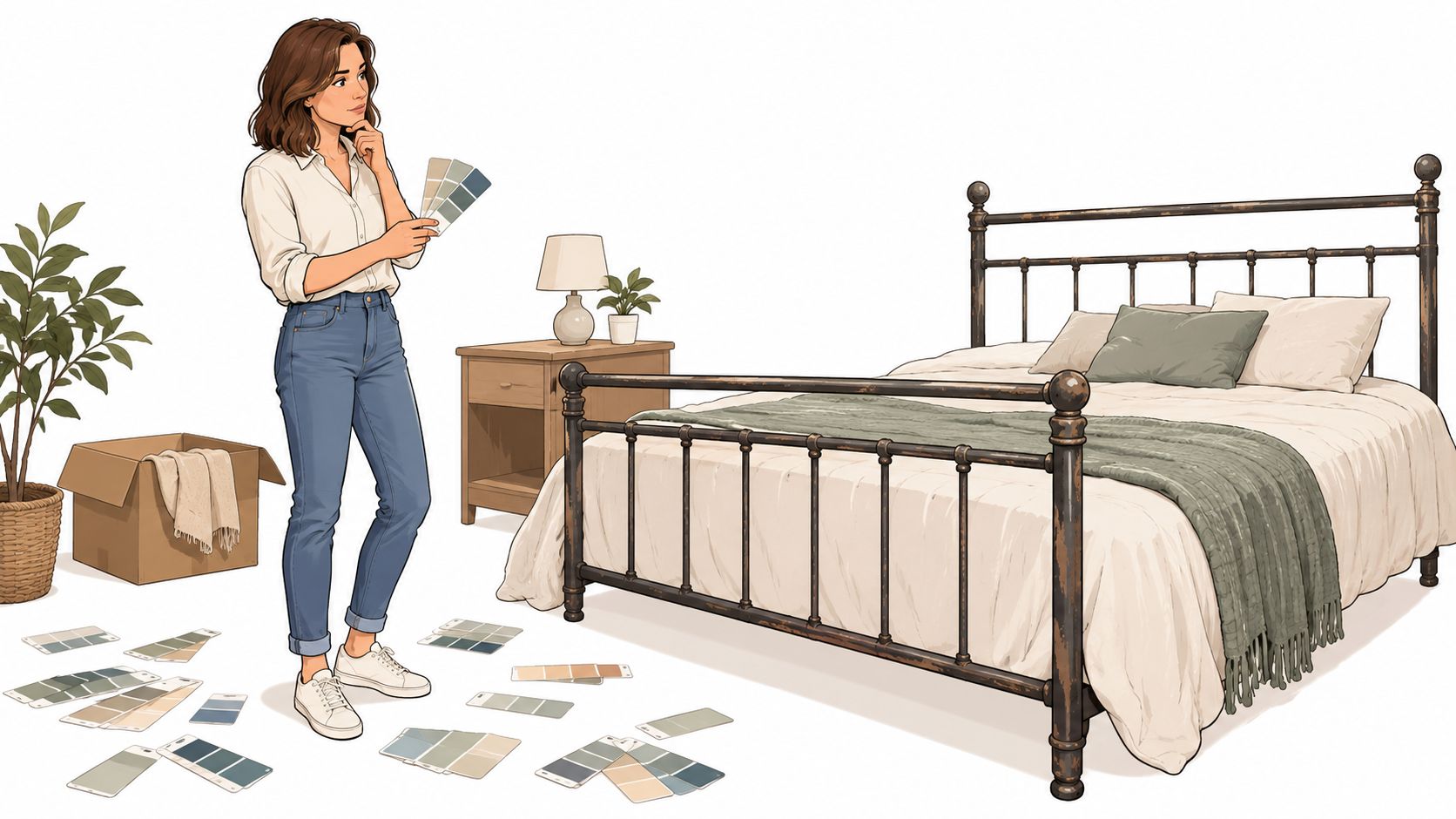
A partially furnished primary bedroom can look almost complete, yet an old metal frame still makes the space feel temporary. Paint swatches rest on the dresser, new lamps wait in their boxes, and the missing piece becomes clear: the bed needs a finished architectural focal point. A quick online purchase may fill the wall, but it rarely addresses proportion, materials, compliance, or long-term use.
An upholstered tufted headboard queen should be chosen as a custom-grade investment. Review its frame, fabric performance, tufting pattern, dimensions, fire-safety documentation, and delivery requirements before placing an order. In Central Florida homes, the headboard must also suit the room's traffic, humidity, cleaning routine, and furniture layout.
Why the purchase deserves a long-term view
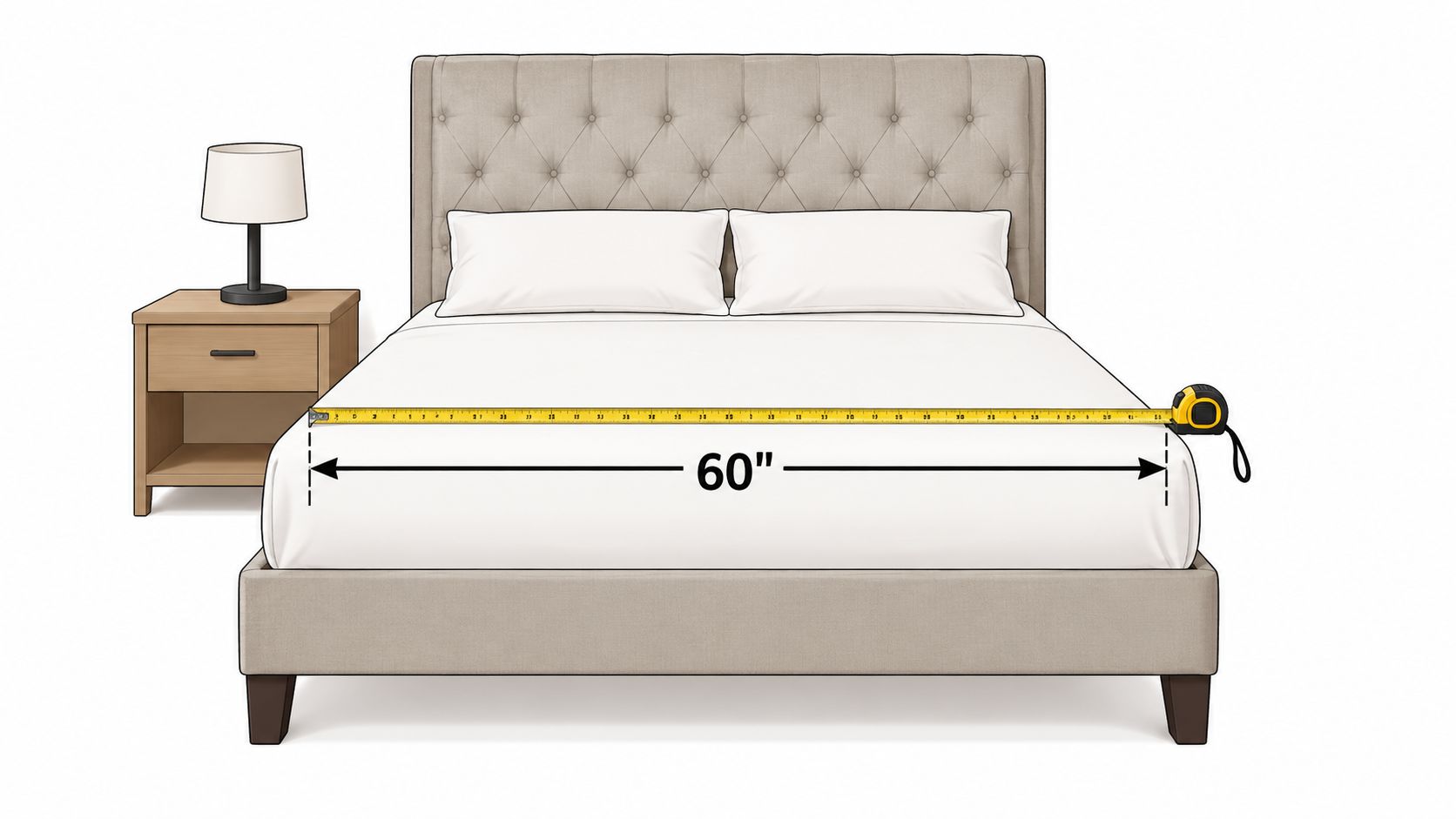
A standard queen mattress measures 60 by 80 inches. Common queen headboards are generally wider, about 62 to 66 inches, and many upholstered designs stand around 48 to 55 inches high (sizing guidance for queen headboards). That extra width gives the bed visual balance and prevents the headboard from appearing narrower than the mattress.
Depth deserves equal attention. Padding may project roughly 4 to 10 inches from the wall, while deeper tufted foam can extend 6 to 8 inches in some designs (upholstered headboard dimensions and projection). In a tighter Longwood bedroom, that projection affects nightstand alignment, walkway clearance, outlet access, and wall-art placement.
Practical rule: Select a statement headboard with the room's architecture, not after the rest of the layout is fixed.
Before approving a custom piece, ask how its upholstery materials are specified, what fire-safety documentation accompanies it, and how installers will move it through doors, stairs, and hallways. In-person consultation exposes proportion problems that product photos conceal and helps match the headboard to the room's actual furnishings. That level of review separates a durable investment from a decorative purchase that merely looks impressive in a listing.
How a Tufted Upholstered Headboard Is Built
A custom-grade tufted headboard earns its value through construction, not decoration alone. The frame provides the rigid foundation, foam and batting shape the padding, and upholstery creates the finished surface. Each layer must support the next, because daily contact with pillows, bedding, and hands quickly exposes weak materials or poor tension.
The structural layers matter
Construction begins with a hardwood or furniture-grade plywood panel, reinforced corners, and secure legs. The frame is assembled first, foam is fixed to the front, batting is wrapped over the padding, and the upholstery is pulled taut before being secured at the back. This sequence creates a stable base for a queen headboard that must remain aligned against the wall.
A refined build may include shaped plywood, pine reinforcement, foam, and Dacron for a smoother surface. The precise material selection should match the intended firmness, tufting depth, fabric, and installation requirements. Review this guide to upholstery materials before approving a custom covering. Fabric, foam, batting, and frame design must function as one system.
Ask the showroom to explain the fire-safety documentation that applies to the finished piece and its upholstery materials. That review matters for long-term household use, especially when the headboard is built to order rather than selected as a quick online décor change.
Tufting creates both beauty and stress points
Buttons or concealed anchors pull the fabric inward, forming dimples and controlled folds. Diamond tufting gives a formal, luxurious appearance, while biscuit tufting creates a more structured grid. Channel and vertical tufting emphasize height and line, producing a cleaner contemporary look.
Tufting also affects construction demands. Deeper patterns require more fabric movement, careful tension, and precise control around each button. Check the finished back panel, sewn corners, stable legs, and consistent tuft depth. These details reveal workmanship more reliably than a dramatic front photograph.
Staples can serve in concealed areas, but exposed edges should look intentionally finished. Hand-tied details and a neatly upholstered rear surface show that the maker planned for installation, handling, and years of presentation, not only the view from the foot of the bed. Insist on an in-person consultation before ordering. Proportion, materials, fire-safety requirements, and workmanship are easier to assess together than through a product listing.
Choosing the Right Fabric for Your Bedroom
The best fabric for a Central Florida bedroom balances touch, maintenance, light exposure, and the household's habits. Performance textiles suit active homes, linen brings a relaxed coastal character, velvet gives tufting exceptional definition, and leather offers a distinct aging pattern with substantial durability.
Precise performance scores and price ranges vary by mill and upholstery program, so a showroom comparison should focus on fabric construction and manufacturer documentation rather than an invented universal rating.
A practical fabric comparison
| Fabric Type | Durability Rating | Humidity Response | Maintenance Level | Relative Cost |
|---|---|---|---|---|
| Performance weave | High when properly specified | Generally practical for active bedrooms | Low to moderate | Premium |
| Linen | Moderate, depending on weave and finish | Breathable, but moisture can encourage wrinkling | Moderate to high | Mid to premium |
| Velvet | Moderate to high with a suitable upholstery construction | Soft surface needs careful handling | Moderate | Premium |
| Top-grain leather | High with proper care | Handles daily contact well, but needs climate-aware maintenance | Moderate | Premium to luxury |
A tight weave usually resists snagging better than a loose decorative weave. Solution-dyed fibers can support color stability and practical cleaning, while an abrasion rating such as Wyzenbeek or Martindale gives the consultant a more useful basis for comparison than the word “durable” alone.
Match the textile to the room
A sunlit bedroom near a bright window calls for fade-conscious selection. A home with pets needs a surface that doesn't invite claws into a loose weave. A homeowner who reads against the headboard each evening should prioritize a pleasant hand and a construction that won't show every touch.
Untreated linen can wrinkle and stain easily, while low-grade polyester may pill or retain an uncomfortable feel in humid conditions. Plush velvet can be outstanding for deep tuft definition, but its pile should be inspected under the room's actual lighting.
The upholstery fabric selection guide helps organize those trade-offs. The most reliable process is still physical: borrow samples, place them beside the bedding, and view them in morning and evening light before approving a custom order.
Sizing a Queen Tufted Headboard With Confidence
A queen headboard works when four measurements align: width, height, projection, and mounting position. The mattress provides the starting point, while the wall, nightstands, baseboards, outlets, and ceiling determine whether the finished installation looks deliberate. For a custom-grade upholstered piece, measure before discussing tufting, fabric, or fire-safety compliance with a showroom consultant.
Width should create balance
The queen mattress baseline is 60 inches wide. An upholstered headboard usually extends slightly beyond the mattress, creating a balanced frame without overwhelming nearby nightstands. Marketplace specifications vary, so do not approve a design from the mattress size alone. Check the actual wall span, trim, and clearance at both sides.
Some adjustable headboards vary in width and height by configuration. That variation matters when nightstands sit close to the bed or architectural trim limits the usable wall. A custom consultation should confirm the finished outside dimensions, not only the nominal queen designation.
Height and projection shape the room
A taller crown gives a primary suite stronger presence, but it must leave room for lamps, artwork, and crown molding. Projection affects circulation and outlet access. Thick foam, deep tufting, side returns, and mounting hardware can all change how far the finished headboard sits from the wall. Review the complete upholstered construction rather than measuring the frame alone.
Before ordering, record:
- Wall width: Include trim and the usable space between adjoining walls.
- Ceiling height: Confirm that the crown clears molding and overhead lighting.
- Bed relationship: Measure the mattress, foundation, frame, and pillows together.
- Mounting location: Identify studs, masonry, drywall, outlets, and baseboards.
Wall-mounted, leg-mounted, and fully upholstered bed configurations each require a different installation plan. Use this furniture measuring guide to organize the measurements before an in-home consultation. That preparation lets the consultant address fit, mounting, and compliance as one specification, rather than treating the headboard as a quick online décor swap.
Custom Order Options and Slone Brothers Services
Customization earns its cost when it solves a specific design or performance need. For an upholstered tufted headboard queen, the main decisions are fabric, tufting pattern, overall proportions, and mounting configuration. Each affects material use, labor, finished scale, and installation.
Fabric consumption depends on the headboard's shape. Deep tufting, wrapped edges, side returns, pattern matching, and extra projection all increase yardage. Treat the estimate as part of the specification, not a minor line item. A clear custom quote should identify the fabric, construction details, labor, and expected material yield.
Compliance belongs in the specification
Fire safety must be addressed before the cover is approved. Ask for documentation covering the foam, batting, fabric, and finished upholstery system. Those components work together, so a vague label or missing certificate should stop the order until the supplier explains what the documentation covers.
That standard matters in a Central Florida home, particularly when the headboard will serve a guest suite, rental, or commercial setting. Request the compliance records before deposits are finalized, and keep them with the order paperwork.
Slone Brothers Furniture gives homeowners a local showroom setting for reviewing fabric samples, tufting details, proportions, and construction with an experienced design consultant. The custom-order process works best when you bring room measurements, bedding references, preferred colors, and a clear description of daily use. A consultation should end with a written specification, not a vague promise that the finished piece will look like the photograph.
Custom work also requires practical scheduling. Confirm delivery access, wall readiness, outlet locations, and who will handle installation before production begins. Coordinate repairs or electrical preparation with dependable home repair and appliance services so wall work and service calls do not threaten the upholstered finish after delivery. For a long-term investment piece, that preparation protects both the furniture and the room around it.
What Online Headboard Shopping Gets Wrong
A Central Florida homeowner can spend an afternoon comparing photographs, then discover that the chosen queen tufted headboard does not suit the room, wall, or daily use. A screen compresses depth, fabric texture, color, and scale, turning a custom-grade furniture decision into a quick décor purchase.
The image can't answer the important questions
A photograph may show evenly spaced buttons, but it rarely reveals how securely they are anchored, whether the frame flexes, or how the upholstery is finished at the rear. It cannot show how velvet shifts under changing light, how linen feels in hand, or whether the back looks appropriate from a doorway or an unusual sightline.
Oversized upholstered furniture creates a practical risk. If the dimensions are wrong, returning it can require difficult handling, repackaging, scheduling, and careful transport. The supposed convenience disappears when the headboard misses the mattress, nightstands, outlets, or wall trim.
See the piece in person before ordering when the room, fabric, and proportions matter.
Labels and hardware require scrutiny
Fire-safety labeling deserves the same attention as the visible design. Requirements depend on the market and the completed upholstery system, so request documentation covering the fabric, fillings, and finished composite. A product description alone does not establish what materials the documentation covers.
Installation hardware presents another Central Florida concern. Concrete block, drywall, and plaster-over-lath walls require different anchors, and a generic hardware packet cannot account for every home in Longwood or Orlando. Confirm the wall type and installation method before production or delivery.
A professional measurement visit is often more valuable than another hour spent comparing listing photographs.
The total-cost question matters most. A headboard built for long service, measured accurately, and installed correctly can provide stronger value than repeatedly replacing pieces that fail in the fabric, frame, tufting, or fit. That value includes the consultation and installation support surrounding the furniture, not only the upholstered piece itself. For a discerning homeowner, craftsmanship and documented compliance justify treating an upholstered tufted headboard queen as an investment rather than an impulse purchase.
Caring for a Tufted Upholstered Headboard
Tufting collects dust in seams, around buttons, and inside the folds that make the design attractive. A gentle, consistent routine protects those details better than occasional aggressive cleaning.
A low-impact weekly routine
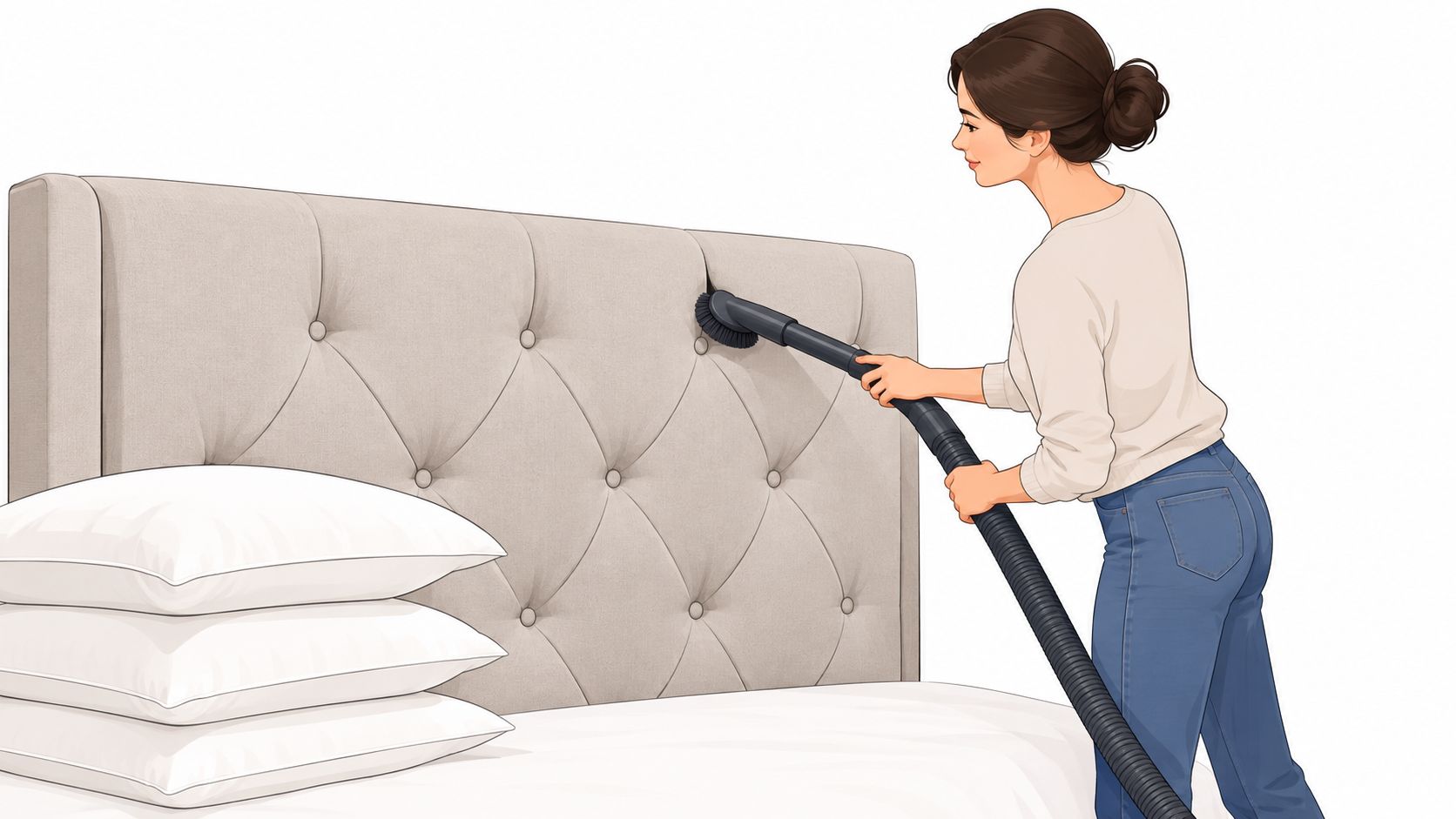
Begin with a vacuum and a soft upholstery attachment. Move across the surface and into the seams without pressing hard against the buttons, since excessive force can disturb the fabric tension or hardware. Rotate pillows regularly so one area doesn't carry every point of contact.
For a spill, use a clean, damp microfiber cloth and blot instead of rubbing. Work from the edge of the affected seam toward the center, which reduces the chance of spreading moisture and dye into neighboring tufted sections.
Before using a cleaner:
- Read the fabric code: Use only solutions approved for the specific upholstery.
- Test discreetly: Spot-test a hidden rear area first.
- Control moisture: Don't saturate foam, batting, or deep seams.
- Dry completely: Keep air circulating before bedding returns to the headboard.
Performance fabrics may permit water-based cleaning, but the manufacturer's code controls the decision. A professional service such as upholstery cleaning near me in 2026 can be considered when soil has entered deep seams or when the fabric requires specialized treatment.
Florida climate care
Central Florida bedrooms need sensible moisture management. Keep the bedroom HVAC system operating consistently, and use a dehumidifier when necessary to maintain indoor humidity below 55 percent as a practical protection for batting and mildew prevention. That environmental target is especially relevant in rooms with limited air movement or long periods of closed windows.
Leather panels need a different routine. Apply a pH-balanced cream quarterly, and inspect anchor hardware annually for tightening. These small tasks preserve both appearance and structural confidence without introducing unnecessary products or moisture.
Visit the Slone Brothers Showroom in Longwood
A headboard should be judged at full scale, under real lighting, with the mattress and nightstands considered as one composition. A Longwood showroom visit gives a Central Florida homeowner the chance to compare queen headboard frames standing at bed height rather than interpreting dimensions from a screen.
The consultation should begin with practical information. Wall measurements, ceiling height, outlet locations, photographs of the bedding, and the existing bed frame allow the design consultant to evaluate proportions quickly. Fabric swatches can then be viewed under daylight-balanced lamps, where undertones and tuft shadows are easier to read.
What a useful consultation should cover
A focused review can address:
- Frame construction: Compare wood framing, leg design, rear finishing, and connection points.
- Tufting character: Evaluate diamond, biscuit, channel, or vertical patterns at full depth.
- Tailoring: Consider contrast welting, nailhead trim, seam placement, and corner finish.
- Compliance: Request documentation for the selected upholstery system and intended use.
- Delivery: Confirm access through doors, hallways, stairways, and the final bedroom entrance.
A showroom also makes it easier to determine whether the headboard should remain close to the mattress width or receive a broader treatment around the nightstands. That visual judgment is difficult to make from a product thumbnail, especially in a primary suite with Florida-inspired light and pale wall colors.
The local advantage extends beyond selection. Slone Brothers is a family-owned Longwood furniture showroom serving Greater Orlando since 1980, with complimentary in-home design services, experienced consultants, home delivery, and a custom-order program. Its interior design consultation services give homeowners a direct way to review measurements, materials, and installation details with a human design professional.
The right headboard should feel resolved before it enters the house. Measurement, material selection, and delivery planning make that possible.
Slone Brothers Furniture offers custom-order bedroom furnishings, fabric guidance, complimentary design consultation, and reliable delivery for homeowners seeking a queen tufted headboard built around their home. Visit Slone Brothers Furniture in Longwood, FL to meet experienced design consultants, compare materials in person, and plan a headboard that brings lasting comfort and proportion to a Central Florida bedroom.