
10 Customer Retention Strategies for Furniture Showrooms

A furniture showroom earns retention long before a customer considers a second purchase. It happens when a consultant understands the room, explains why a material suits Central Florida, communicates clearly through a custom order, and remains available after white-glove delivery. That matters because customer retention strategies can have an outsized financial effect. Industry retention benchmarks commonly cited in the sector say a 5% increase in retention may raise profits by 25% to 95%, while existing customers spend about 67% more than new customers during their first six months. These figures are summarized in retention benchmark research.
For a local showroom, the relationship also lasts longer than a typical retail purchase cycle. A living room, bedroom, or custom dining piece may serve a family for years, so loyalty comes from confidence, craftsmanship, thoughtful service, and useful follow-up rather than constant discounting.
Slone Brothers Furniture has served Central Florida from its family-owned Longwood showroom since 1980, bringing more than 46 years of local expertise to homeowners in Orlando, Lake Mary, Sanford, Winter Park, and Altamonte Springs. The following strategies show how a high-end furniture showroom can turn education, customization, delivery, aftercare, community presence, and personal communication into an enduring customer relationship.
1. How do personalized in-home design consultations create loyal furniture customers?
Personalized in-home design consultations build retention by connecting furniture recommendations to the customer's actual home, habits, and long-term plans. An experienced consultant can see proportions, traffic patterns, natural light, existing finishes, and practical concerns that showroom browsing alone can't reveal.
A Lake Mary homeowner furnishing a new residence might need guidance across several rooms, from mattress support in the primary bedroom to a custom Canadel dining set. A Winter Park resident may need performance fabric advice for a sunny living room, while an Altamonte Springs family may want an ergonomic Stressless recliner for an older parent. Each conversation gives the consultant meaningful context for future recommendations.
Slone Brothers' complimentary in-home design consultation makes the interaction collaborative rather than transactional. Customers can discuss entertaining, children, pets, work-from-home needs, and the level of maintenance they're comfortable providing before anyone recommends a frame, finish, or fabric.
Build continuity around the household
A consultant should record preferences, past purchases, room dimensions, and unresolved questions. Follow-up can then feel relevant, such as checking whether a new sofa is performing well in Florida's climate or suggesting a complementary piece when the customer begins planning another room.
Useful practices include:
- Ask before recommending: Learn how the household lives, not only which style appears attractive.
- Document design decisions: Save fabric, finish, brand, and configuration details for future projects.
- Schedule thoughtful follow-up: Reconnect after delivery to assess comfort and identify remaining needs.
- Allow reasonable accommodations: Small adjustments to fabric selections or delivery coordination can reinforce that the customer matters.
The result is a relationship with a trusted design specialist, not a single completed order.

2. Why does transparent pricing improve retention for high-end furniture?
Transparent pricing helps customers understand what they're investing in. Clear explanations of construction, materials, repairability, comfort, and expected service life build confidence when a premium piece costs more upfront. In a Central Florida showroom, that education gives the price a practical context instead of leaving customers to judge quality by the ticket alone.
A consultant might place a solid-wood dining table beside a particle-board case piece and explain the differences in structural integrity, weight, joinery, finish quality, and maintenance. The same approach applies to upholstery. Top-grade leather, bonded materials, kiln-dried hardwood frames, high-density foam, and down-wrapped cushions each shape comfort, durability, and care requirements.
Solid hardwood is often described as a 30 to 100-plus-year category when properly maintained, with some quality pieces lasting beyond a century, according to solid hardwood longevity guidance. Care and use still influence results. The broader lesson is that an heirloom-quality table may serve a household much longer than disposable furnishings.
Teach value through tactile comparison
Showroom education works best when customers can touch materials and inspect construction. A Sanford homeowner can feel the difference between a substantial hardwood frame and a lightweight case piece. An Orlando buyer can compare leather grain, cushion recovery, and seating support instead of relying on a product photograph.
A useful value conversation covers:
- Construction: Explain the frame, joinery, suspension, and cushion core.
- Florida conditions: Discuss sun exposure, humidity, airflow, and appropriate care.
- Long-term ownership: Connect price with durability, comfort, and repairability.
- Service support: Explain delivery, warranties, care guidance, and post-purchase assistance.
Slone Brothers' Low Price Promise can support a clear value discussion without reducing the experience to the lowest initial price. Customers who understand the materials, craftsmanship, and ownership support are more likely to return for quality, recommend the showroom locally, and leave informed reviews rather than wait only for a promotion.
3. What post-purchase service keeps furniture customers coming back?
Reliable communication, professional placement, careful setup, and a responsive team show customers that the showroom stands behind the purchase after the order is complete. That support shapes the ownership experience in Central Florida, where furniture must function well in real homes, through local conditions and daily use.
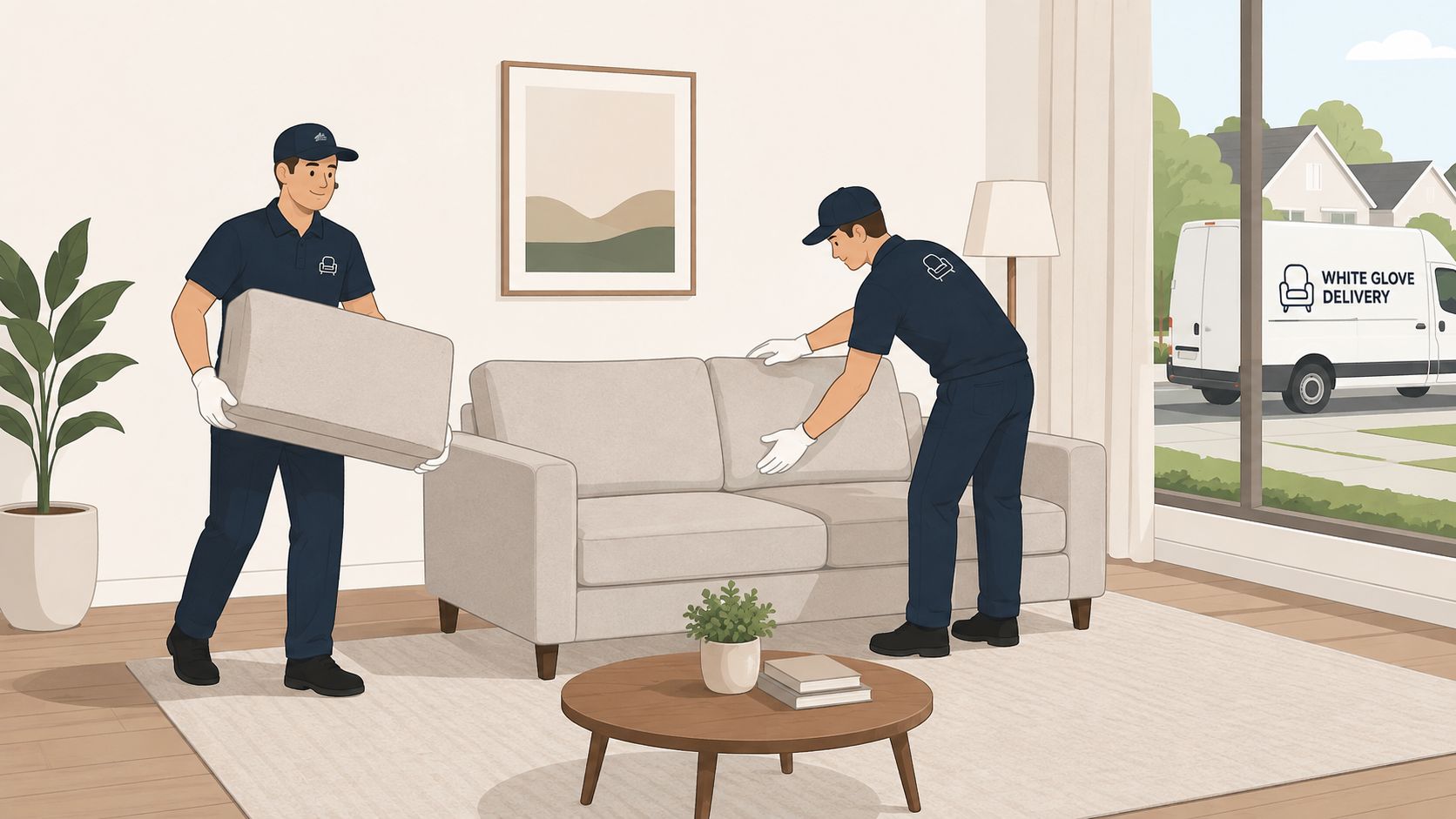
For a Longwood customer receiving a recliner, white-glove service may include bringing the piece inside, positioning it correctly, and checking that its mechanism operates as expected. A Winter Park family receiving a custom dining table benefits from placement that respects the room's scale and circulation. A customer with a sectional may also need clear guidance for caring for upholstery and cushions.
The showroom's white-glove delivery service gives the delivery team a direct role in retention. Seeing the furniture in its intended setting can reveal concerns that a showroom visit would not show, from a tight passage to a placement adjustment.
Make follow-up specific and timely
A useful customer-care sequence can include order confirmation, delivery preparation, delivery confirmation, a post-delivery call, and an extended comfort or satisfaction check. Annual care reminders help customers preserve wood, leather, upholstery, mattresses, and mechanisms.
Practical rule: A follow-up should ask about the customer's experience, not simply announce another sale.
Delivery teams should record observations, customer questions, and adjustment requests. If a minor concern appears, the response should be calm and direct. Slone Brothers offers a service request process for minor repair services on merchandise delivered by the store when the issue is reported within 72 hours of delivery, according to the company's stated service information.
A care package can include fabric instructions, warranty documentation, cleaning guidance, and the consultant's contact information. It gives the customer a clear path back to a real person when questions arise, supporting confidence after delivery and creating a natural opportunity for future care conversations, referrals, and reviews.
4. How can custom-order furniture prevent customers from leaving frustrated?
Custom-order furniture addresses the common frustration of an almost-right piece, allowing customers to specify exact dimensions, configuration, finish, and upholstery. A precise vision should not be limited by whatever standard item is currently available.
A Lake Mary homeowner may need a low-profile sofa with a particular arm style and warm gray performance fabric. A Sanford designer might specify a table in a cerused finish for an office or dining room. A Winter Park family with an asymmetrical living room may need a sectional arranged around the room rather than forced into a conventional layout.
Slone Brothers' custom-order furniture program gives the consultation a practical problem-solving focus. Fabric and finish samples, room measurements, configuration drawings, and careful specification reviews help customers understand each decision before approving the order.
Set expectations before the order is placed
Custom furniture requires patience and precise communication. Industry guidance commonly places custom lead times at 6 to 8 weeks for standard pieces with stock fabric, 8 to 12 weeks for modified dimensions or configurations, and 12 to 20 weeks for fully bespoke work, as outlined in custom furniture lead-time guidance.
These ranges are common industry guidance, not promises for every order. The showroom should confirm the expected schedule, explain what may affect production, and communicate changes before the customer needs to ask. Clear updates work like a map for a long journey, helping customers understand where the order stands and what comes next.
Good custom-order practices include:
- Present customization as a solution: Explain how each change improves fit, comfort, or function.
- Use physical samples: Let customers assess color, texture, sheen, and finish in person.
- Record every specification: Confirm measurements, materials, orientation, and approvals.
- Show semi-custom options: A focused range of fabrics or leg finishes can add flexibility without the complexity of fully bespoke work.
Customers who help create a piece often develop a stronger sense of ownership. That connection can lead to future room projects, referrals, and reviews when the showroom continues the relationship through thoughtful service after delivery.
5. Why does local community engagement strengthen furniture showroom loyalty?
Central Florida homeowners develop a stronger connection with a Longwood showroom when they see it supporting education, local organizations, design, and neighborhood life. Community involvement gives the furniture relationship a place beyond the purchase, helping customers recognize the people and values behind the service.
The subject should fit the showroom's work. A furniture-care seminar can explain how Florida sun and humidity affect wood and upholstery. A mattress education event can cover pressure relief, body support, and sleep position. A design workshop can help homeowners examine heritage, engineering, finishes, and craftsmanship while asking questions in person.
Slone Brothers' family ownership since 1980 provides a meaningful local foundation for these efforts. Serving the Greater Orlando area, including Lake Mary, Sanford, Winter Park, and Altamonte Springs, the showroom can build relationships with homeowners as well as professional design circles.
Choose involvement with lasting relevance
Useful community initiatives might include:
- Design education: Offer showroom tours, material demonstrations, or student learning opportunities.
- Professional relationships: Build connections with local interior designers, builders, and contractors.
- Business support: Help Central Florida companies select commercial and office furnishings.
- Local storytelling: Share the history of craftsmanship, family ownership, and customer care.
- Relevant events: Host gatherings focused on design, furniture care, and home planning.
These activities should feel like helpful extensions of the showroom's service, not sales presentations. A welcoming educational event gives people a reason to visit before they are ready to furnish a room. It also keeps the showroom familiar when a project begins, supports genuine word-of-mouth, and creates natural opportunities for satisfied customers to share reviews. Community presence therefore strengthens the complete relationship, from early education and consultation through delivery, aftercare, and future room planning.
6. Which loyalty benefits feel appropriate for discerning furniture customers?
Furniture loyalty programs work best when they recognize trust and access, not when they rely on constant coupons. A high-value customer may appreciate an invitation to preview new Stickley arrivals, early notice about a Stressless collection, or a complimentary design conversation more than a complicated points structure.
Furniture purchases often happen over long cycles, so a program should respect how customers buy. A homeowner may furnish a living room first, then return later for dining furniture, bedroom pieces, a home office, or outdoor furnishings. Recognition should remain useful throughout that broader home-furnishing journey.
Benefits can include:
- Private previews: Invite established customers to see new collections before general promotion.
- Design access: Offer additional planning help for a future room or renovation.
- Referral recognition: Thank customers who introduce a friend, family member, designer, or local business.
- Care resources: Provide educational sessions or product-care guidance tied to previous purchases.
- Milestone appreciation: Acknowledge a long-standing relationship with a personal note or invitation.
A loyalty program can also create a responsible record of preferences. If a customer consistently chooses American-made furniture, Amish craftsmanship, or Stressless comfort, future communication can reflect those interests without flooding the customer with unrelated offers.
The local loyalty points system illustrates the broader idea that rewards can help businesses recognize returning customers. For a premium showroom, the strongest implementation would keep the rules easy to understand and make the benefits feel consistent with quality, consultation, and service.
7. How does educational content marketing support furniture retention?
Detailed care guides, material explainers, and workshop content give customers a reason to return before they are ready to buy again. A useful article, video, or class answers questions that arise during ownership and keeps the showroom involved in the customer's broader home-furnishing journey.
Central Florida homeowners benefit from advice suited to local conditions. Content can explain how to position solid wood away from harsh direct sunlight, care for leather, evaluate upholstery performance, and assess sofa frame construction. It can also explain the heritage of established furniture makers, ergonomic comfort, customized seating, and the qualities associated with American-made furniture, without turning every lesson into a sales pitch.
A homeowner researching the essentials of upholstery materials should find practical guidance rather than a product list. The discussion can compare texture, durability, maintenance, color stability, and suitability for a particular household. That preparation makes an in-person consultation more productive because customers arrive with clearer priorities.
Answer the questions serious buyers actually ask
Strong local content might address:
- Wood quality: How solid wood differs from particle board in structure and longevity.
- Leather grades: What distinguishes a quality hide from bonded alternatives.
- Sofa engineering: Why frames, suspension, foam density, and cushion wrapping affect comfort.
- Sleep health: Why medium-firm mattresses are a defensible general recommendation for adults with nonspecific low back pain or morning stiffness.
A review of 47 studies associated medium-firm mattresses with better pressure distribution, improved sleep quality, reduced morning stiffness, and lower low-back-pain intensity than very firm or very soft surfaces, according to the PubMed review. That finding supports an informed consultation, not a universal prescription. Customers should still consider body support, sleep position, and personal medical needs.
Educational content can also prepare customers for custom orders, white-glove delivery, and ongoing aftercare. When those explanations connect naturally with room-planning help and care support, the showroom becomes a dependable guide before purchase and after delivery. Customers are more likely to return, share a useful resource, and leave a thoughtful review when the relationship continues beyond the transaction.

8. Can flexible financing support retention without weakening a luxury furniture experience?
Flexible financing helps customers furnish a home thoughtfully when terms are clear and service remains consultative. It should never obscure the purchase price or create pressure. Used responsibly, it can help customers plan necessary pieces without choosing solely according to immediate cash outlay.
A Winter Park homeowner may be furnishing a living room and dining room in stages. A Sanford family moving into a new home may need bedroom furniture, a dining set, and seating at the same time. An Orlando business owner may be furnishing a professional office and prefer payment timing that fits a broader cash-flow plan.
The furniture conversation comes first. Consultants should discuss construction, comfort, dimensions, and how each piece fits the room and the customer's plans. Financing can then be offered as one practical way to manage the investment, alongside the selected service, warranty, delivery, and design support.
Keep the terms visible
Slone Brothers' furniture financing options should be explained in straightforward language. Customers need to understand eligibility, promotional conditions, repayment timing, interest terms, and the result of failing to follow the agreement.
Helpful practices include:
- Explain terms before commitment: Customers should understand the agreement before selecting furniture, rather than interpret fine print afterward.
- Avoid payment-only selling: A monthly figure should never replace a full discussion of construction, comfort, suitability, and value.
- Preserve the relationship: Financing customers should receive the same personalized design guidance, white-glove delivery support, and aftercare as other customers.
- Make the process convenient: A clear application path reduces friction while keeping the showroom focused on consultation.
A well-managed financing conversation supports the complete furniture relationship. Customers can complete a cohesive room plan, receive attentive service through delivery, and remain connected to the showroom for future projects, care questions, referrals, and reviews.
9. How should a showroom connect digital research with personal service?
Customers should be able to research furniture online, visit a Longwood showroom to compare finishes, and receive useful care information afterward, while keeping the human guidance that makes fine furniture worth experiencing. Digital research opens the conversation. Personal consultation gives it direction.
A Lake Mary customer searching for custom furniture in Orlando may begin with dimensions, images, and fabric ideas. Before the appointment, a consultant can prepare samples, answer construction questions, and help the customer judge scale in the room. An Altamonte Springs customer exploring finish options can continue the relationship with care guidance after delivery.
Digital continuity should reduce repetition and preserve judgment. Customers should not have to explain the same project to every channel. At the same time, browsing activity should not become permission for endless automated promotions. The relationship should feel more like a well-kept project file, where each useful detail helps the next conversation.
Use fewer, more useful messages
A local furniture showroom can improve continuity by:
- Connect customer records: Consultants should see relevant conversations, preferences, orders, and service notes.
- Align information: Online product details, showroom samples, availability, and promotions should remain consistent.
- Follow up with purpose: Send viewed-product images, appointment details, custom-order updates, delivery information, or care instructions.
- Respect customer action: Stop irrelevant messages after a purchase, decision, or resolved service question.
- Invite tactile evaluation: Encourage customers to sit, open, touch, compare, and discuss pieces before ordering.
The strongest message may be a delivery update, a fabric-care reminder, or a note about a finish that suits an existing room. Useful communication supports education before purchase, custom-order confidence, white-glove delivery, aftercare, referrals, and honest reviews. Relevance and timing matter more than message volume.
10. What is the best implementation roadmap for local furniture retention?
A practical roadmap for a Central Florida showroom begins with dependable service, then layers in personalization, education, recognition, and digital coordination. Customers should experience one connected relationship, from the first design consultation through custom ordering, white-glove delivery, future rooms, and aftercare.
A useful sequence includes:
- Begin with discovery: Train consultants to ask about the home, lifestyle, comfort needs, materials, and future plans.
- Make value education consistent: Demonstrate wood, leather, upholstery, sofa construction, mattresses, and Florida-specific care in the showroom.
- Document the relationship: Record measurements, preferences, purchases, custom specifications, delivery notes, and service questions.
- Manage custom orders carefully: Confirm specifications, explain production expectations, and provide updates before customers need to ask.
- Build aftercare into the experience: Include delivery preparation, setup, post-delivery contact, warranty support, and care reminders.
- Recognize returning customers: Offer simple member benefits, private previews, educational events, and thoughtful referral appreciation.
- Review meaningful signals: Track repeat visits, unresolved service issues, delivery satisfaction, consultation follow-ups, referrals, and honest feedback.
Automation can organize records and reminders, but a design consultant must still decide when a customer needs judgment, reassurance, or a personal conversation. A retention automation guide can inform workflow design, while the showroom determines where human attention matters most.
Negative feedback also belongs in the roadmap. Invite customers to share concerns privately, respond promptly, and record the change made to repair trust. Community events and sincere review requests can extend that relationship beyond the sale, turning good service into local advocacy without making every interaction feel promotional.
Customer Retention Strategies: 10-Point Comparison
| Strategy | Implementation complexity | Resource requirements | Expected outcomes | Ideal use cases | Key advantages |
|---|---|---|---|---|---|
| Personalized In-Home Design Consultations | Medium–High (scheduling, travel, training) | Skilled design consultants, samples, scheduling tools | Higher AOV, stronger emotional loyalty, fewer returns | High-value, multi-room projects and discerning homeowners | Deep personalization, trust, showroom differentiation |
| Transparent Pricing & Long-Term Value Education | Medium (content + staff training) | Educational content, material samples, trained staff | Reduced price sensitivity, higher-margin sales, brand trust | Selling premium/heritage brands and value-focused buyers | Justifies premium pricing, builds authority and advocacy |
| Post-Purchase Customer Experience & White-Glove Service | Medium (logistics and follow-up) | Trained delivery teams, CRM, follow‑up processes | Increased retention, fewer complaints, boosted referrals | Large or complex deliveries; high-ticket items | Service differentiation, quick issue resolution, repeat business |
| Custom Order Flexibility & Tailored Solutions | High (specs, manufacturing coordination) | Vendor partnerships, sample kits, detailed documentation systems | Higher AOV, improved fit/satisfaction, lower returns | Unique spaces, designers, customers needing exact matches | One‑of‑a‑kind solutions, emotional ownership, premium upsells |
| Community Engagement & Local Brand Advocacy | Low–Medium (event planning, partnerships) | Sponsorship budget, staff time, local partnerships | Strong local loyalty, word‑of‑mouth, increased showroom traffic | Local markets, family‑owned showrooms seeking authenticity | Builds community trust, organic referrals, brand goodwill |
| Loyalty Programs & Exclusive Member Benefits | Medium (program design + systems) | CRM/rewards platform, fulfillment budget, marketing ops | More repeat purchases, better customer data, referrals | Repeat buyers, VIP customers, long-term relationships | Incentivizes repeat business, enables personalized outreach |
| Educational Content Marketing & Thought Leadership | Medium–High (consistent creation) | Writers, video/production, SEO, subject matter experts | Organic traffic, consultative leads, stronger sales conversations | Buyers researching quality, regional care, or complex categories | Authority building, long‑term lead generation, sales support |
| Flexible Financing & Payment Options | Low–Medium (partnering + compliance) | Financing partners, POS integration, legal/compliance review | Higher conversion rates, larger purchases, broader accessibility | High-ticket purchases or customers needing payment flexibility | Removes financial barriers, increases average order value |
| Seamless Omnichannel Integration: Showroom + Digital + Personal Service | High (systems integration + training) | Integrated CRM, website/catalog, digital content, staff training | Smoother journeys, higher conversion, data-driven personalization | Customers who research online and buy in-store; designers | Consistent customer experience, efficient consultative sales |
| Implementation Roadmap & Cross-Strategy Recommendations | Medium (coordination across initiatives) | Strategic planning, project management, analytics tools | Prioritized roll-out, measurable retention improvements | Showrooms planning to scale retention programs | Consolidates tactics into actionable priorities and metrics |
Turn Every Furniture Purchase Into a Lasting Relationship
Customer retention in fine furniture isn't built by asking a homeowner to buy more often than the home requires. It's built by making every stage of ownership feel considered, informed, and dependable.
The relationship begins with transparent expertise. A consultant explains why a solid hardwood table, properly constructed sofa, premium leather chair, or supportive mattress may justify a higher investment. The conversation should include materials, construction, comfort, maintenance, room proportions, and the realities of Central Florida's sun and humidity.
Personalized design guidance then turns that knowledge into a plan. Slone Brothers' in-home interior design services can help a customer in Lake Mary, Sanford, Winter Park, or Orlando coordinate an entire home instead of purchasing isolated pieces. That broader perspective creates continuity between the living room, bedroom, dining area, home office, and outdoor spaces.
Custom-order communication protects the trust established during consultation. Customers should receive clear specifications, finish and fabric confirmations, realistic production expectations, and updates when circumstances change. A custom piece requires patience, but uncertainty doesn't need to be part of the experience.
White-glove delivery continues that standard inside the home. Careful placement, professional setup, delivery follow-up, and responsive service show that the purchase still matters after payment. When a concern occurs, the showroom should make it easy to report, understand, and resolve.
Aftercare keeps the relationship useful. Care instructions for solid wood, leather, and upholstery help customers protect their investment. Mattress guidance can support more informed sleep decisions, while periodic communication can answer questions without turning every interaction into a promotion.
Loyalty recognition should feel personal. Private previews, design assistance, relevant education, referral appreciation, and invitations to local events can reinforce the customer's connection to a family-owned Longwood showroom. Community involvement adds another layer, especially when the business supports Central Florida designers, homeowners, students, and local organizations.
Review generation belongs at the end of a successful service moment, not at the beginning of a campaign. After a completed delivery, a resolved concern, or a helpful design consultation, staff can ask whether the customer would be willing to leave honest feedback. The request should be clear, voluntary, and free from fabricated testimonials or promises about the outcome. Positive reviews may help qualified homeowners understand the experience, while critical feedback can reveal where service needs improvement.
Customers don't need another anonymous transaction. They need a place where experienced people can explain quality, coordinate details, stand behind delivery, and remain available as the home evolves. Slone Brothers Furniture offers curated living room, bedroom, dining, home office, entertainment, outdoor, mattress, and home décor selections, along with custom-order support and complimentary design guidance.
Slone Brothers Furniture helps Central Florida homeowners make informed furniture investments through experienced design consultants, custom-order services, white-glove delivery, and practical aftercare. Visit Slone Brothers Furniture in Longwood, FL to discuss a room, a full-home plan, or the next carefully chosen piece with a real local design professional.