
Daybeds vs Trundle Beds: The Real Differences for Your Central Florida Home


If you need a piece that functions as a sofa by day, a daybed is the right call. If you already have seating and just need a hidden sleeping spot for an occasional guest, a standalone trundle or a dedicated guest-room setup is smarter. A daybed with a trundle sits between those two options, offering daily seating plus hidden extra capacity, but it demands more floor clearance and works best when guests are kids or lighter adults.
For Central Florida homes, the decision usually comes down to room shape, how often guests stay over, and whether you need a dedicated seating surface every day. Below is a practical breakdown of what each option does well, where it falls short, and which configuration fits your space.
Your Guide to Daybeds and Trundle Beds
For homeowners in Longwood, Lake Mary, and downtown Orlando, the hardest part of picking a daybed or trundle isn't style, it's matching the furniture to how the room will be used. A daybed works like a sofa and sleeps one person. A standalone trundle hides under another bed and only becomes useful when someone needs to sleep over. A daybed with a trundle combines both functions in one frame.
Here is a quick decision frame based on what we see most often in our showroom:
- Choose a standalone daybed when the room needs reliable daily seating and an occasional single bed, such as a home office, sunroom, or studio bedroom.
- Choose a standalone trundle when the room already has seating and you want maximum floor space most of the time, such as a child’s bedroom focused on play or a small guest room used rarely.
- Choose a daybed with a trundle when you want one piece to handle both daily seating and two separate twin sleeping spots, especially in multipurpose rooms where folding away a second bed matters.
As a local, family-owned business serving Central Florida since 1980, Slone Brothers Furniture compares these options using real floor-planning constraints, not just marketing language. We also pull in outside research where it helps clarify choices. For example, retail categorization data shows how daybeds with trundles are treated as their own product family rather than generic guest bedding, which is why finding the right size and clearance upfront matters see Living Spaces. And because mattress thickness can make or break a trundle setup, we recommend checking how to choose the best bed mattress size for your home before you buy.
Understanding the Core Differences
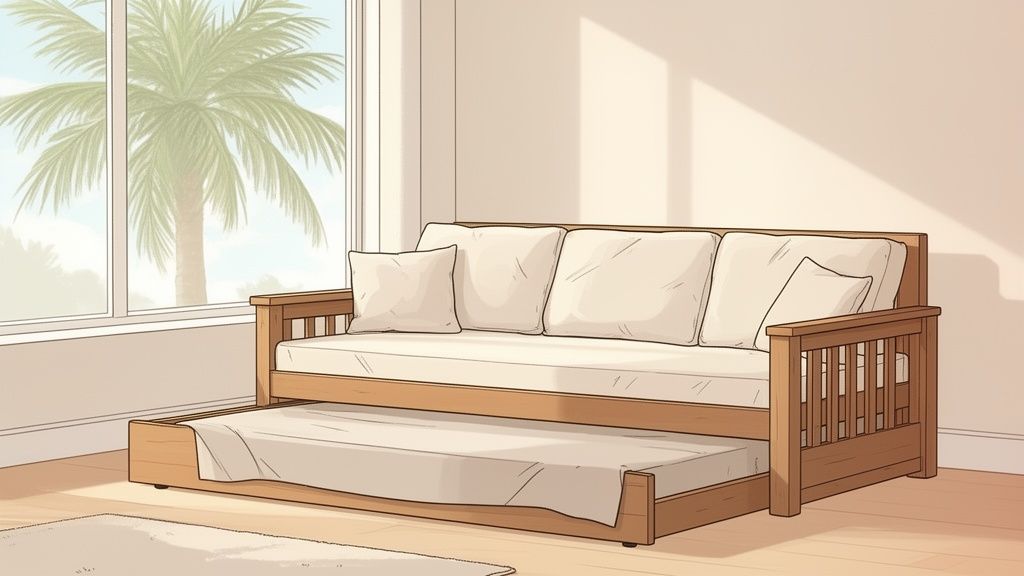
A daybed and a trundle solve different problems. A daybed is a complete, standalone bed frame designed to function as seating during the day. A trundle is a secondary low bed on wheels or slides that stores under another piece of furniture and only appears when you need extra sleeping space.
When people ask about the daybed vs trundle bed difference, the answer usually comes down to three things: daily function, floor clearance, and mattress limitations. A daybed occupies its footprint all the time. A trundle only takes up space when pulled out. That simple fact changes how each piece fits into a real room.
How Each Option Functions Day to Day
A daybed with a backrest and side rails looks like a sofa and invites sitting. It works as a reading chair, a homework station, or a living-room seating alternative. You sleep on it when needed, and you sit on it the rest of the time.
A standalone trundle does not provide seating. It provides a hidden bed. That makes it useful in rooms where seating already exists and you just need to accommodate overnight visitors without buying a second large piece of furniture.
A daybed with a trundle combines both roles. By day, you get seating. At night, you can run both the daybed and the trundle, which is why this configuration dominates residential demand. Inventory data from major retailers shows that daybeds with trundles are indexed as their own category, with sizes split across twin, full, toddler, and larger models, which reflects how common this hybrid is in real homes Living Spaces catalog data.
Floor Clearance and Room Layout
Many setups fail before they even start. I’ve watched clients buy a beautiful daybed with trundle and then discover the room could not physically accommodate it once the trundle was pulled out.
- A standalone daybed needs clearance around its permanent twin-sized footprint, usually about 39 x 75 inches, plus walking space.
- A standalone trundle needs open floor space in front of the primary bed so it can roll out fully.
- A daybed with a trundle needs both the daybed footprint and additional clear floor space in front of it to pull the trundle out safely.
In practice, a trundle rollout usually requires roughly 4 to 5 feet of clear floor space in front of the frame. If your room can’t spare that without blocking a closet, door swing, or desk, the trundle becomes a storage box instead of a usable bed.
Mattress Thickness and Height Limits
Trundles almost always require thinner mattresses, typically 6 to 8 inches thick, because the mechanism sits low to the floor. A thick mattress will jam the slide or make the trundle impossible to close.
Daybeds, by contrast, usually accept a standard twin mattress, which gives you far more comfort options. When you choose a daybed with trundle, you’ll often need two different mattress thicknesses: a standard one for the daybed and a low-profile one for the trundle. That mismatch is a frequent source of regret after purchase.
Sleeping Capacity and Adult Comfort
- A daybed sleeps one person comfortably.
- A standalone trundle sleeps one person, usually best for kids or occasional guests.
- A daybed with a trundle can sleep two people separately, or sometimes more if the trundle pops up to match the daybed height.
Adults can sleep on a daybed comfortably if the frame is sturdy and the mattress is appropriate. Adults can also sleep on a trundle occasionally, but nightly adult use is usually uncomfortable due to the lower height and thinner mattress. Pop-up trundles improve this by raising the sleeping surface closer to daybed height, but they still often use thinner mattresses.
Main Disadvantages of a Trundle Daybed
- Requires significant clearance when opened.
- Trundle mattress is usually thinner and less comfortable for adults.
- Lower trundle height can be hard to get in and out of.
- Daily use by heavier adults can wear casters and slides faster.
- More moving parts mean more maintenance over time.
Side-by-Side Comparison
| Feature | Daybed (Standalone) | Trundle Bed (Standalone) | Daybed with Trundle |
|---|---|---|---|
| Primary role | Daily seating plus occasional single sleep | Hidden secondary sleep only | Daily seating plus two separate twin sleeps |
| Closed footprint | Permanent twin footprint | Minimal; shares footprint with another bed | Permanent daybed footprint |
| Open footprint | Same as closed | Doubles floor use when pulled out | Roughly doubles width when trundle is open |
| Mattress thickness | Standard twin, flexible | Usually 6–8 inches max | Daybed: standard; trundle: thin |
| Best room types | Office, den, studio, sunroom | Kids’ room, rare-use guest room | Guest room, multi-purpose bedroom, studio |
| Setup complexity | Low | Low | Medium |
| Guest capacity | 1 | 1 | 2 |
| Adult-nightly suitability | Good with quality frame and mattress | Poor for nightly use | Daybed good; trundle better for occasional use |
| Storage tradeoffs | Usually none built in | None; hides only under another bed | Often includes drawers or shelf space |
After this comparison, the practical winner depends on the room:
- Guest rooms used regularly: a daybed with a trundle, provided there is enough clearance.
- Kids’ rooms focused on play: a standalone trundle under a loft or bunk bed.
- Home offices that double as occasional guest space: a standalone daybed.
- Small multipurpose rooms with tight floor space: a standalone daybed, or a daybed with trundle only if you can dedicate about five feet of open floor.
How We Evaluate Daybeds and Trundle Beds
We don’t pick these beds based on style alone. In our showroom consultations and design reviews, we evaluate daybeds and trundle beds using seven practical criteria:
- Daily seating usefulness: Does the frame feel like real seating, or does it feel like a bed pretending to be a sofa?
- Sleeping capacity: How many people can sleep here comfortably, and for how many nights in a row?
- Open-floor clearance: Can the trundle open without blocking doors, closets, or walkways?
- Mattress compatibility: Does the frame allow a comfortable mattress for the daybed and a functional thin mattress for the trundle?
- Comfort for adults vs kids: Is the trundle height and support suitable for occasional kids, or does it also work for adults?
- Build quality: Are the joints, slides, and casters solid enough for repeated use?
- Deal-breakers: What would rule this model or room layout out entirely? Usually it’s clearance, mattress mismatch, or flimsy hardware.
When we test setups, the biggest failure point is rarely aesthetics. It’s floor space and mattress fit. I see it every week: a beautiful daybed with trundle that cannot open in the planned room, or a trundle that won’t close because someone bought a too-thick mattress.
When a Daybed With a Trundle Is the Right Choice
A daybed with a trundle is worth the extra complexity only when the room needs three things at once: reliable seating, a main bed, and an extra bed for guests. If the room already has a sofa and just needs one extra sleeping spot, a separate guest bed or Murphy bed may be a cleaner solution.
From a first-person standpoint, the setups that work best in our experience are guest rooms and home offices where the daybed serves as the primary seating anchor and the trundle is reserved for friends, family, or visiting coworkers. The combination shines when you want the room to look like a living space most of the time, not a dormitory.
Before committing to this configuration, check four things:
- Clearance: Confirm you have about 48 to 60 inches of open floor in front of the daybed for full trundle extension.
- Door swings and traffic flow: Make sure the open trundle doesn’t block a closet, desk, or entry path.
- Mattress plan: Buy the trundle mattress first, or measure the clearance precisely, so you don’t end up with a thick mattress that won’t slide.
- Guest profile: If frequent adult guests will use the trundle nightly, consider a pop-up trundle or a dedicated guest bed instead.
If you’re shopping for children’s pull-out options alongside this decision, it’s worth seeing how younger kids’ setups differ from adult guest setups, and see Ocodile for a practical look at children’s pull-out bed choices that highlights those differences.
Also worth noting: inventory and fulfillment data show that trundles should be treated as part of the core item definition rather than an add-on, because packaging, shipping, and assembly details change when a trundle is included Fast Furnishings product listing. That’s a quiet reminder that these pieces are more complex than they appear on the surface.
A Detailed Comparison For Florida Homeowners
Florida home plans vary widely, from older Orlando bungalows with narrow hallways to new Lake Mary builds with open layouts. That variation matters because the same daybed with trundle can look brilliant in one home and completely impractical in another.
Minimum Clearance to Pull Out a Trundle
You generally need 4 to 5 feet of clear floor space in front of the daybed to open a trundle safely. If your room has a desk, a radiator, a TV stand, or a coffee table in that path, the trundle becomes unusable in practice even if it opens mathematically.
Can the Room Still Function When the Trundle Is Open?
Yes, but only if the layout leaves a walking path and doesn’t block essential furniture. In a tight guest room, opening the trundle may leave barely enough room to pass. That’s not a failure of the bed; it’s a failure of the room plan. A proper space plan should simulate the open trundle before purchase.
Where Bedding Gets Stored Without Built-In Drawers
If the daybed frame lacks drawers, you’ll need another place for extra sheets, pillows, and blankets. Common solutions include a linen closet, a decorative basket, a dresser, or a separate storage bench. I advise clients to decide where linens live before choosing the bed, because forgotten storage needs often lead to cluttered guest rooms.
What Makes a Setup Affordable Without Feeling Flimsy
Affordable doesn’t have to mean fragile. Look for:
- Solid wood or high-quality engineered wood frames with reinforced centers.
- Smooth, heavy-duty casters or slides rated for repeated use.
- Sturdy slat systems that prevent sagging.
- Tight joinery and reinforced corner blocks.
Cheap trundle mechanisms are the first thing to fail. If the slides rattle, bind, or feel unstable, skip the model regardless of price.
Guest-Room Planning: One-Night Guests vs Frequent Adult Guests
This distinction is important and often ignored.
- For one-night guests or kids’ sleepovers, a daybed with trundle works well.
- For frequent adult guests staying multiple nights, the trundle mattress height and thinness become a comfort problem. In that case, a pop-up trundle, a futon-style guest bed, or a dedicated guest-room bed is a better long-term choice.
Storage Tradeoffs for Compact Rooms
Compact rooms reward smart storage. Built-in drawers under the daybed or trundle are a major advantage when closet space is limited. If storage is a priority, compare frame styles carefully: some daybeds prioritize looks over drawers, while others bake storage directly into the base.
Cozy Space Ideas for Daybeds and Trundles
Putting your daybed or trundle in the right room can completely change how useful it feels. Here are a few room styles where these beds shine.
The Cozy Sunroom Reading Nook
A standalone daybed is perfect for a sunroom where you want to read, relax, and occasionally host a friend for dinner. It acts like a stylish sofa but also provides a bed without cluttering the space. Check how to measure furniture to ensure the daybed fits your sunroom layout, including any windows and doors.
The Multipurpose Home Office
A home office that doubles as a guest room benefits from a daybed with trundle. You get a seating area for video calls during the day and a ready-to-go bed for overnight visitors at night. Just be sure to plan your office desk placement so the trundle can open fully.
The Guest Room Setup
Guest rooms are the classic home for a daybed with trundle, especially in Central Florida where visitors come year-round. For inspiration on how to style the room for maximum comfort and appeal, check out tips for creating a cosy guest bedroom. A cohesive guest-room look makes both the seating and sleeping functions feel intentional rather than temporary.
Kids’ Bedrooms and Sleepover Spaces
Kids’ rooms are ideal for trundles under loft beds or standalone daybeds. Sleepovers become easy because extra bedding is already under hand. Again, measuring the room first helps avoid surprises.
Common Questions About Daybeds and Trundle Beds
What exactly is the difference between a daybed and a trundle bed?
A daybed is a standalone piece that functions as both seating and a bed. A trundle is a low, wheeled bed that stores under another piece of furniture and only appears when you need extra sleeping space. A daybed with a trundle combines both roles in one frame.
Can adults sleep comfortably on a trundle bed?
Occasionally, yes. Nightly adult use is usually uncomfortable because trundles sit low and use thinner mattresses. A sturdy frame, good slat support, and a pop-up trundle mechanism improve adult comfort, but the trundle remains best suited for kids or occasional guests.
What are the main disadvantages of a daybed with trundle?
The biggest drawbacks are floor clearance requirements, thinner trundle mattresses, lower sleeping height, daily setup inconvenience, and more moving parts that can wear over time. In small rooms, the open trundle can also block walkways or closet access.
Is a daybed comfortable enough to sleep on regularly?
Yes, if it has a supportive frame and a quality mattress. Daybeds are commonly used as primary beds in studios and small apartments. The main limits are width and weight capacity, not inherent discomfort.
What is the point of a daybed with a trundle?
The point is flexibility. It gives you daily seating and a main bed, plus a second twin sleeping spot that stays hidden when not in use. That combination is especially valuable in guest rooms, home offices, and kids’ rooms where space is limited.
Evaluating Materials and Craftsmanship
Here at Slone Brothers, we’ve always believed that furniture should be an investment in your home’s future. When you’re looking at different daybeds and trundle beds, the materials and the way they're built are what separate a piece that lasts a few years from one that lasts a few decades. This is the heart of our Low Price Promise—true value isn’t just the price on the tag, but the years of durability you get out of it.
You’re not alone in shopping for this kind of furniture. The global bedroom furniture market is massive, projected to hit USD 383.12 billion by 2030. The residential segment makes up about 92% of all daybed sales, proving that homeowners like you are driving the demand for smart, versatile sleep solutions. That makes choosing a well-built piece more important than ever. You can read the full research about these market trends on grandviewresearch.com.
The Slone Brothers Difference: American and Amish Quality
Living in Central Florida, we know firsthand how humidity can be tough on furniture. That's a big reason why we champion American-made and Amish-crafted furniture. These pieces are built with a level of care and expertise you just don't find everywhere else.
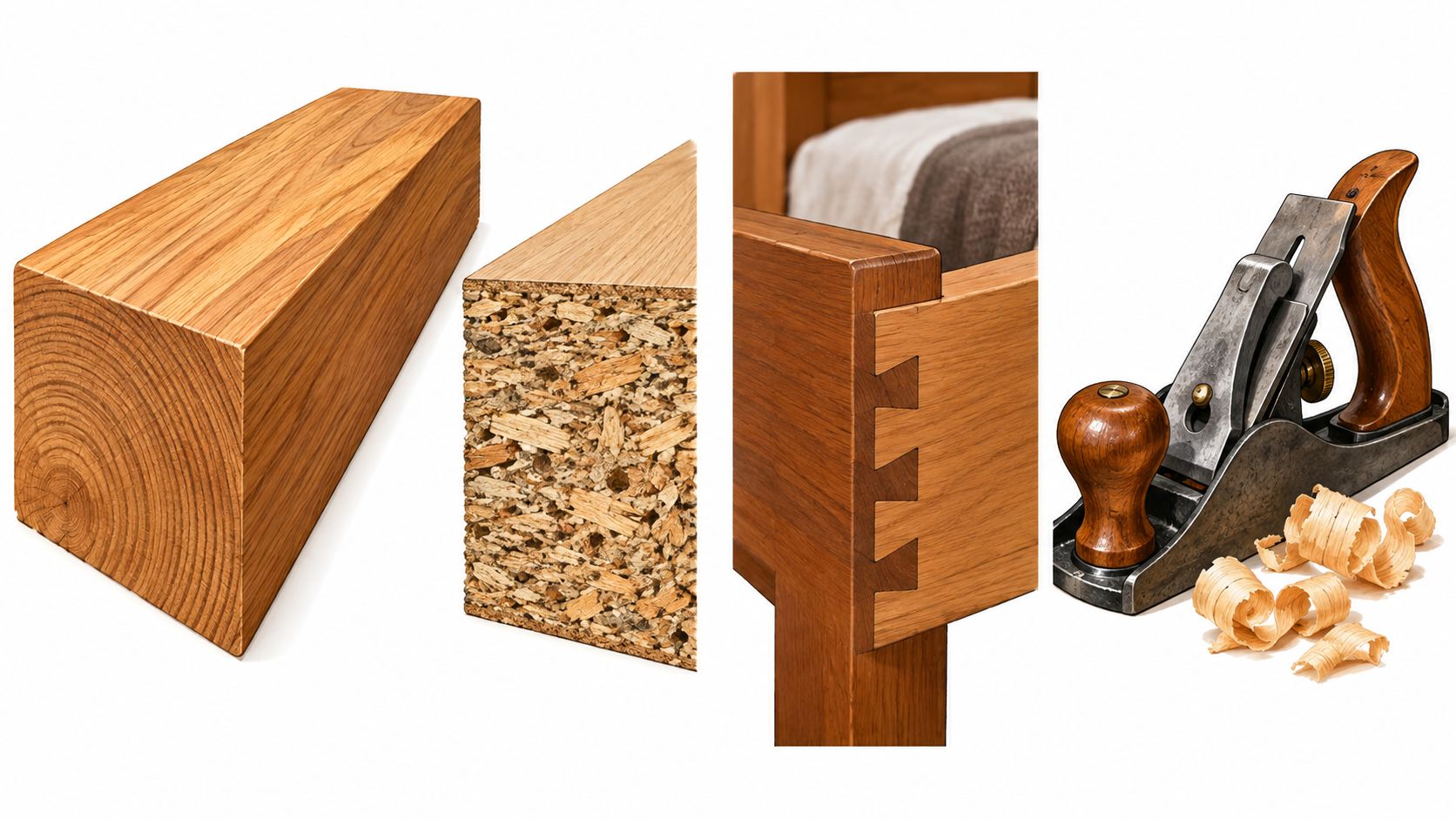
- Solid Wood Construction: Forget particle board or flimsy engineered woods that can swell and weaken in our climate. Solid hardwood frames offer superior strength and a lifetime of reliability.
- Expert Joinery: Amish craftsmen use time-tested techniques like mortise and tenon joints. These aren't just glued or screwed together; they're interlocking joints that create a strong, stable bed that can stand up to daily use.
- Durable Finishes: The finishing process on these pieces is meticulous. It’s more than just a coat of paint, it’s a protective barrier that resists moisture and wear, keeping your daybed beautiful for years.
If you really want to get into the details of what makes these woods special, our guide on choosing the right hardwood for longevity and style is a great place to start.
Beyond the Frame: Mattress Support Systems
A beautiful frame is only half the story. The support system underneath the mattress on your daybed and trundle is critical for both comfort and the lifespan of the mattress itself. A quality system, usually made of solid wood slats, provides a firm, even foundation.
A weak or flimsy support system not only leads to a sagging mattress but can also compromise the structural integrity of the entire bed. We always recommend looking for closely spaced, sturdy slats as a key indicator of a well-made piece.
This focus on foundational quality ensures your daybed or trundle bed is a reliable, comfortable, and lasting addition to your home.
Find Your Perfect Daybed at Slone Brothers
The best way to understand the quality and feel of our daybeds and trundle beds is to see them for yourself. Our Longwood showroom is the perfect place in the Greater Orlando area to get hands-on and really appreciate the craftsmanship that goes into each piece.
It’s no surprise that these versatile beds are more popular than ever. The global daybed market was recently valued at USD 2.8 billion and is expected to climb to USD 4.6 billion by 2034, which just shows how many homeowners are looking for smart, multi-purpose furniture. You can explore more details on this market growth on emergenresearch.com, and here at Slone Brothers, we’re proud to offer pieces that perfectly fit this modern need.
Your Local Design Partners
Sorting through all the styles and options can feel overwhelming, but you don’t have to figure it all out on your own. Our on-site Design Team is here to offer a complimentary consultation to help with everything from space planning to picking the perfect style that fits your Central Florida home.
We have a curated selection of styles on our floor, from timeless wood frames to elegant upholstered models. Choosing the right fabric is especially important for a piece that works as both a sofa and a bed. Our guide on everything you need to know about upholstery materials is a great resource for finding a material that's both durable and beautiful.
If you don't see exactly what you're looking for on the floor, just ask! Our Custom-Order program lets you create a piece that is uniquely yours.
And for anyone hunting for a great deal on high-quality furniture, our Clearance Outlet is always worth a visit. At Slone Brothers Furniture, we’re here to help you find a daybed that’s not just functional, but a beautiful and lasting addition to your home.
1. Slone Brothers Furniture
- Best for: Local showroom experience, American-made and Amish-crafted options, custom orders, and professional space planning.
- Where it falls short: Selection is curated rather than infinite, so niche imported styles may not be in stock.
- Pricing reality: Value-focused pricing with periodic clearance deals; not the cheapest online importer, but stronger build quality on core collections.
2. Manchester Factory
- Best for: Guest-bedroom styling ideas and cozy room setup inspiration.
- Where it falls short: Educational content rather than a direct daybed product source.
- Pricing reality: Reference content; actual furniture pricing depends on where you source the beds.
Explore broader daybed styles and market examples at futonland.com/day-beds to compare finishes, frame types, and upholstery options before you visit the showroom.
| Feature | Daybed | Trundle Bed |
|---|---|---|
| Primary Function | Hybrid sofa/bed for seating and sleeping. | A secondary, pull-out bed for guests. |
| Typical Mattress Size | Standard Twin (39" x 75"). | Twin, often with a thinner profile. |
| Ideal Use Case | Home offices, dens, living rooms, studios. | Children's rooms, dedicated guest rooms. |
| Space Requirement | Requires floor space for seating depth. | Needs clear floor space to pull out fully. |
| Feature | Daybed (Standalone) | Trundle Bed (Standalone) | Daybed with Trundle |
|---|---|---|---|
| Primary Use | Dual-purpose: seating & single sleeping | Single-purpose: occasional sleeping | Multi-purpose: daily seating, single sleeping (daybed), plus extra sleeping space (trundle) |
| Space Footprint | Permanent footprint of a twin bed (approx. 39" x 75") | Minimal: hides under an existing bed when not in use | Largest: permanent daybed footprint plus clearance needed to pull out the trundle (doubles the width when in use) |
| Mattress Size | Standard twin mattress | Requires a thinner mattress (usually 6-8 inches max) | Standard twin for daybed; thinner twin for trundle |
| Best For | Home offices, sunrooms, small living areas, guest rooms | Kids' rooms for sleepovers, ultra-small rooms with no seating need | Guest rooms, kids' rooms, studios, any space needing flexible seating and sleeping for 1-2 people |
| Guest Capacity | One person | One person | Two people (sleeping separately) |
| Overall Versatility | Good: Acts as a stylish sofa and a comfortable bed. | Limited: Only useful when a guest is staying overnight. | Excellent: The ultimate combination of seating, style, and flexible sleeping arrangements. |