
Memory Foam Mattress Benefits for Better Sleep

A reader in Winter Park, Lake Mary, or Longwood may know this routine too well. A full night passes, yet the morning begins with a stiff lower back, sore shoulders, and the vague frustration of feeling tired before the day has even started.
That kind of sleep isn't just inconvenient. It affects comfort, energy, focus, and how a home feels to live in. For many Central Florida homeowners, a mattress stops being a basic purchase and becomes a long-term health decision. That's where memory foam mattress benefits deserve a closer look.
Your Investment in Restful Sleep
A bedroom should restore the body, not send it into the day already compensating for pressure and strain. Yet many homeowners across Orlando, Sanford, and Altamonte Springs stay in bed long enough without getting the kind of support that allows true recovery.
One common pattern is easy to recognize. A person falls asleep reasonably well, shifts through the night trying to get comfortable, then wakes with tension in the hips, shoulders, or lower back. Another person shares the bed and notices every movement. By breakfast, both feel as though sleep happened, but rest did not.
That gap matters. Sleep is one of the most important investments inside a home, right alongside seating that supports posture and dining furniture built for daily life. A mattress that relieves pressure, supports alignment, and helps reduce nighttime disturbance can influence well-being every single day.
A poor mattress often hides in plain sight. People blame age, stress, or posture first, when the sleep surface may be part of the problem.
Memory foam entered the market as more than a comfort trend. It was engineered to respond to the body in a different way than a traditional spring surface. Instead of pushing back unevenly, it contours under weight and warmth, creating a more individualized level of support.
For homeowners who want to improve the entire sleep environment, this guide to restorative sleep offers practical context on habits and room conditions that work alongside the right mattress choice.
In Central Florida, that decision also has a local layer. Heat, humidity, pollen, and year-round air conditioning all influence how a mattress feels and performs over time. A thoughtful purchase isn't about chasing a quick fix. It's about choosing a sleep surface that supports the body consistently and fits the realities of life in the greater Orlando area.
How Does Memory Foam Actually Work
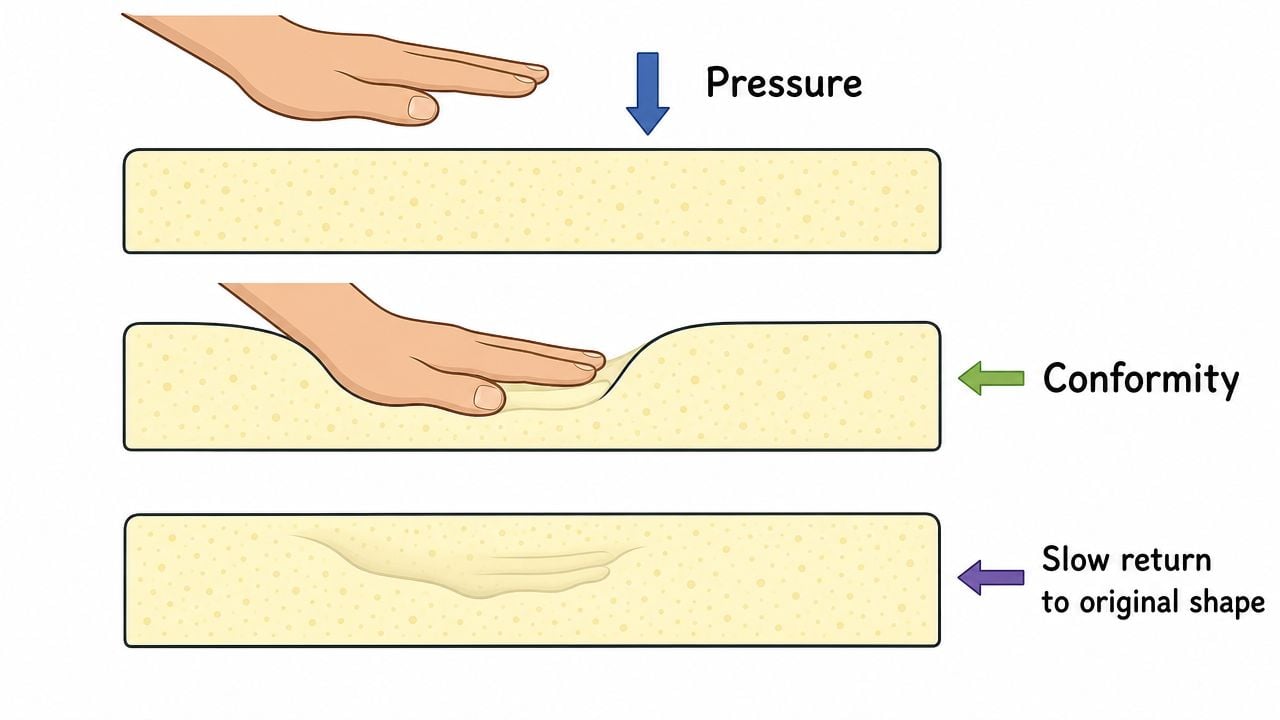
Memory foam works by responding to body heat and pressure. It softens where the body needs cushioning, while surrounding areas stay more supportive, which helps the sleeper rest in a more neutral position.
What the material is doing
Memory foam mattresses use viscoelastic polyurethane with an open-cell structure that reacts to heat and weight, molding to the sleeper's contours. This thermoreactive viscosity creates a stable cradle effect where foam farther from the body remains firmer, helping maintain neutral spinal alignment, as explained in this overview of how memory foam is made and engineered.
That phrase, stable cradle, helps many shoppers understand what they're feeling. The mattress isn't swallowing the body or collapsing under it. It's redistributing force so the heavier areas, such as the hips and shoulders, can sink enough to be cushioned while the surrounding surface still supports posture.
Why the response feels different from springs
A traditional innerspring mattress often creates firmer pushback in specific areas. Memory foam behaves differently because it adapts more locally. If the shoulder needs pressure relief, that zone yields. If the waist needs support, the foam nearby can remain more resistant.
This matters for people who sleep on their side, rotate between positions, or wake up with tension concentrated in a few joints. Instead of one broad feel across the whole bed, memory foam creates a body-specific response.
Practical rule: The more a mattress can distribute weight evenly, the less likely the sleeper is to feel sharp pressure building in one spot through the night.
For a Central Florida homeowner, this also explains why one memory foam mattress can feel very different from another. Density, layering, and open-cell construction all shape how quickly the foam responds, how supported the body feels, and how well the surface handles warmth. Good design isn't just softness. It's controlled support.
The Core Memory Foam Mattress Benefits for Your Health
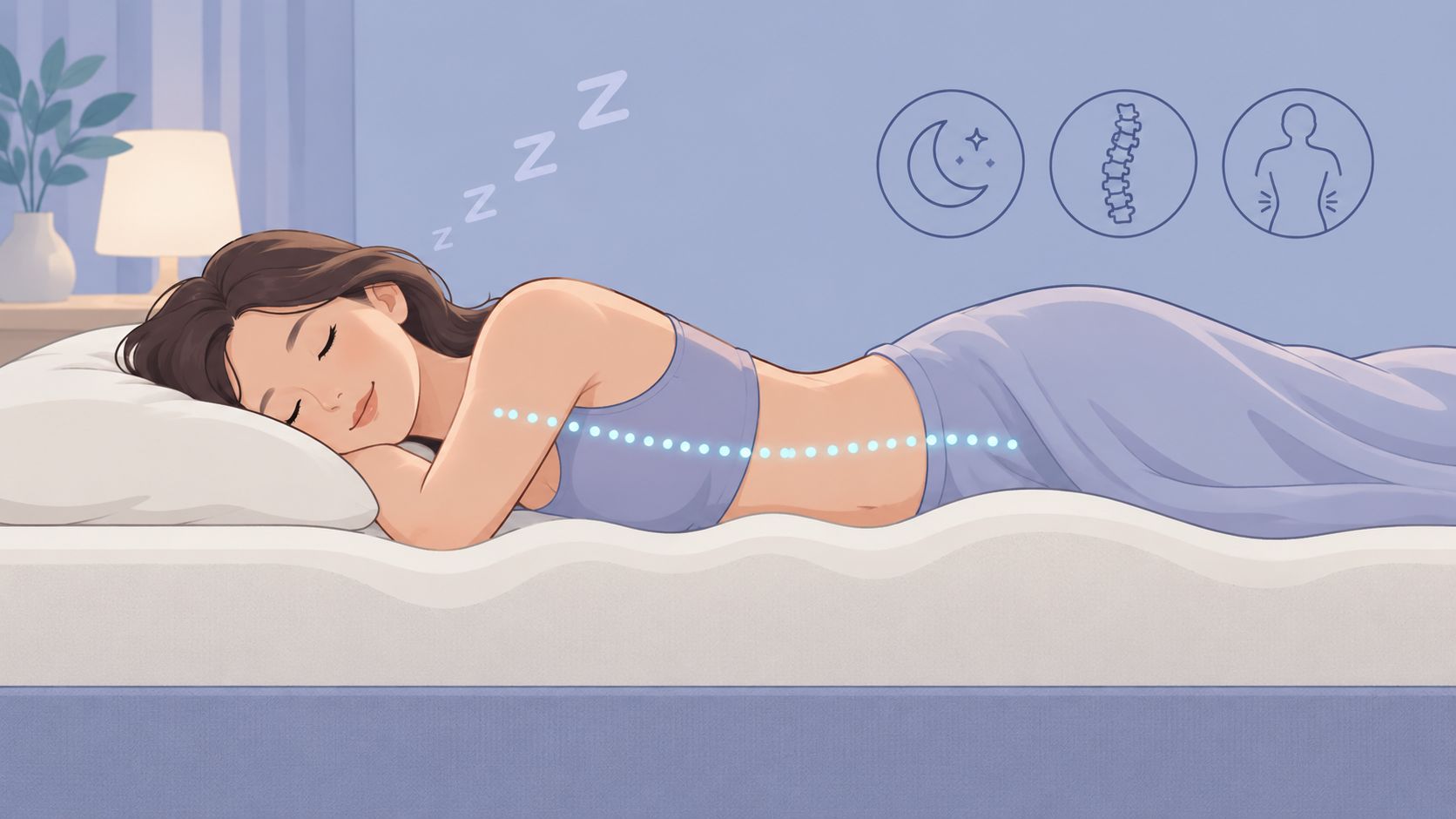
A mattress affects your body the way a good pair of shoes affects your stride. If the support is off, the strain shows up somewhere else. With memory foam, the health benefits usually come from one simple change. Your weight is spread more evenly, so fewer areas absorb too much force for too many hours.
Pressure relief that supports deeper sleep
Pressure relief is often the first benefit people in our Orlando showroom notice. The shoulders, hips, and lower back stop carrying so much concentrated load, which can make it easier to stay asleep instead of shifting all night to get comfortable.
That matters more than many homeowners expect. If one part of the body is bearing too much force, the brain keeps getting small signals to adjust position. Those adjustments may be brief, but over a full night they can chip away at sleep quality and leave you sore the next morning.
For people shopping specifically because of recurring discomfort, our guide on choosing the right mattress to help with back pain explains how pressure relief and support need to work together.
Health effects many sleepers feel over time
Memory foam does not treat medical conditions, but it can create a sleep surface that helps the body recover with less interruption. In practical terms, that often shows up in a few clear ways:
- Lower joint stress: By spreading weight across a broader area, memory foam can cushion sensitive spots such as hips, shoulders, and knees. Side sleepers often notice this first.
- More even spinal alignment: As explained in this overview from Medical News Today on memory foam versus spring mattresses, supportive foam can help the spine stay in a more neutral position instead of letting heavier areas drop too far.
- Better sleep continuity: Research published in Sleep reported improved comfort and better self-reported sleep outcomes on memory foam surfaces, including less waking after first falling asleep and feeling more rested in the morning.
Sleep comfort has a real job to do.
When the body is well supported, muscles do less overnight guarding. That is one reason some homeowners describe the difference as waking up less “braced” through the shoulders or lower back, even if they did not realize how tense they had been on their old mattress.
Why couples often sleep better on memory foam
Shared sleep brings another health benefit into the picture. Motion control.
Memory foam absorbs movement in a more contained way, so one partner's repositioning is less likely to ripple across the whole bed. If one person gets up early, comes to bed later, or changes position often, the other sleeper has a better chance of staying asleep. For couples, fewer disturbances can matter just as much as firmness.
A cleaner option for allergy-sensitive Florida homes
In Central Florida, heat and humidity make bedroom hygiene more important than many people realize. Dust, moisture, and everyday allergens can build up quickly in a home that runs air conditioning nearly year-round.
Memory foam is often appealing to allergy-sensitive households because the material is dense and less hospitable to common bedroom irritants than some more open constructions. That does not replace regular cleaning or a good protector, but it can be part of a healthier sleep setup for families trying to cut down on irritants near the sleep surface.
Protecting the mattress also helps preserve that benefit. Homeowners comparing options may find useful advice on mattress covers for back relief, especially when the goal is to keep the surface cleaner while maintaining comfort over the long term.
Are There Any Drawbacks to Memory Foam
A homeowner in Central Florida can love the pressure relief of memory foam in a showroom, then pause over one practical question before buying. Will it sleep too warm in a bedroom that already fights heat and humidity for much of the year?
That concern is reasonable.
Memory foam has had two common drawbacks over the years. Heat retention is the big one, especially in Orlando-area homes. The other is a slower, more contouring feel that some sleepers enjoy and others do not. If you are used to a spring mattress with a quick bounce, memory foam can feel more like settling into wet sand than floating on the surface. Neither issue makes the material bad. It means the details of the build matter.
The heat question in Florida homes
Older memory foam, and lower-grade foam still sold in some mattresses, can hold warmth close to the body. In a cooler climate, that may be a minor issue. In Longwood, Lake Mary, Winter Park, and greater Orlando, it deserves closer attention because the room already starts with more heat and moisture in the air.
Modern designs have improved. Open-cell foams, ventilated layers, and cooling covers are all meant to release more heat than earlier versions. WebMD explains that heat buildup has long been one of the better-known tradeoffs with memory foam, while newer constructions aim to reduce that problem for some sleepers through updated materials and design choices: https://www.webmd.com/sleep-disorders/features/memory-foam-pros-and-cons.
Even so, "memory foam" is not one single feel or temperature profile. One model may trap warmth, while another feels noticeably cooler because the comfort layers, cover, and support core were engineered with airflow in mind. Homeowners who know they sleep hot should start with guidance on a mattress for hot sleepers in Florida rather than assuming every memory foam bed will perform the same way.
Other tradeoffs worth considering
Response speed matters too.
Memory foam usually recovers more slowly after pressure is removed. For some people, that creates a secure, cushioned feel. For others, especially combination sleepers who change position often, it can feel as if the mattress is a half-step behind them during the night.
There is also the "new mattress" smell that can appear after unboxing. This tends to matter most for households that are sensitive to odors or careful about indoor air quality. In most cases it fades with time and ventilation, but it is still worth asking about before you bring a mattress home.
A careful shopper should check four things:
- Foam quality: Better materials usually perform better over time and are less likely to develop the problems many people associate with older memory foam.
- Cooling design: Ventilation channels, breathable covers, and less heat-retentive comfort layers can make a real difference in Florida bedrooms.
- Certifications: Many shoppers look for CertiPUR-US® certification as one sign that the foam meets certain content and emissions standards.
- Ease of movement: If you dislike a "stuck" sensation, test how easily you can roll and change positions on the mattress.
For discerning Orlando-area homeowners, the right question is not whether memory foam has drawbacks in the abstract. The right question is whether a specific mattress addresses those drawbacks well enough to serve your sleep, your home, and your health for years. That is how a mattress stops being a quick purchase and becomes a sound long-term investment.
Who Benefits Most From a Memory Foam Mattress
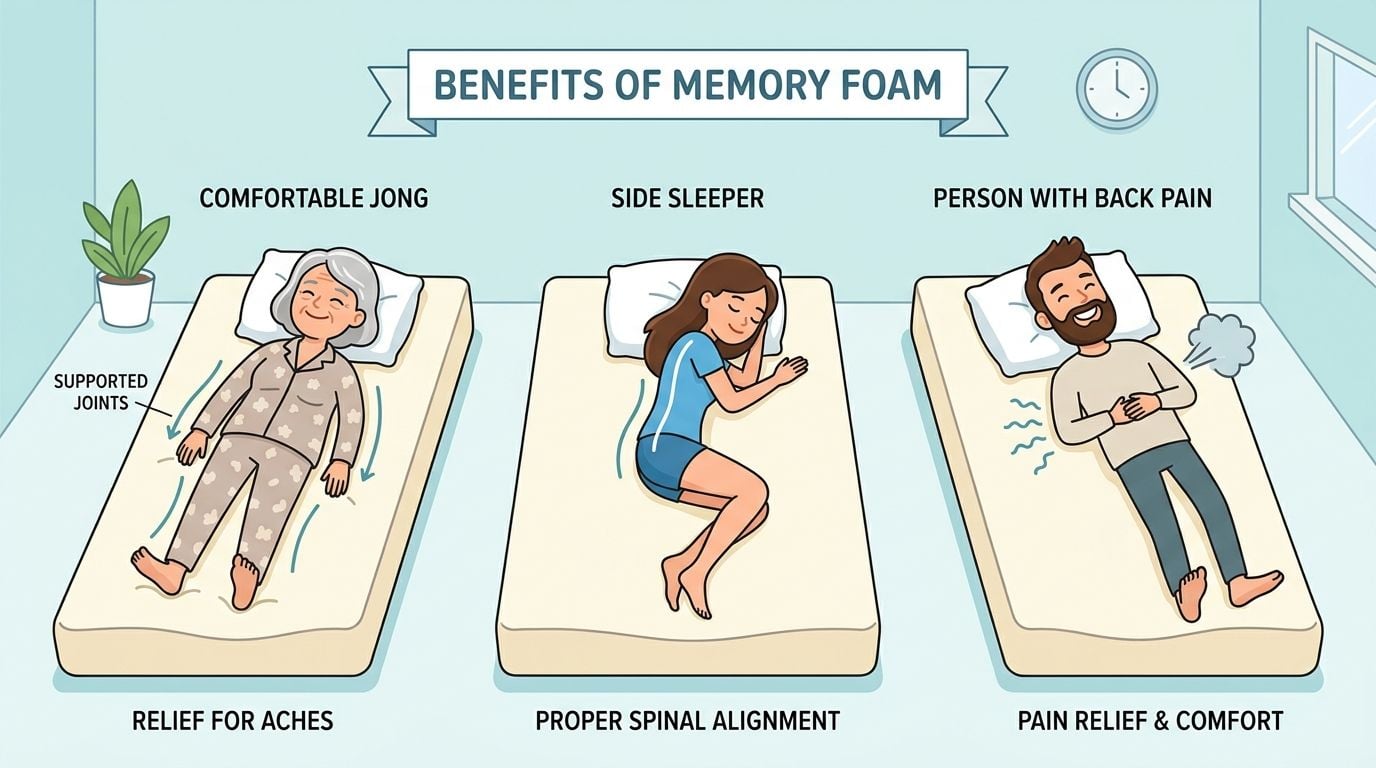
A common Orlando scenario goes like this. One person wakes up with a sore shoulder, the other wakes up every time their partner turns over, and both wonder whether the mattress is fighting their sleep instead of supporting it. In many of those homes, memory foam deserves a serious look because it is built for close contouring, pressure relief, and a quieter sleep surface.
Sleepers who often see the best fit
Side sleepers are often near the top of the list. The shoulder and hip carry more load in that position, much like chair legs pressing harder into one spot on a wood floor. A contouring mattress spreads that force over a wider area, so the body feels less concentrated pressure at those contact points.
People with recurring back or joint discomfort also tend to appreciate this material. Memory foam responds to shape and weight in a more localized way than many traditional surfaces, which can make the bed feel gentler under the body while still supporting it. That does not mean every memory foam mattress will feel right, but it helps explain why some sleepers get up with less morning stiffness.
Couples are another strong match, especially in households where one person is a light sleeper. If one partner changes position often, a mattress that absorbs more movement can help the other stay asleep. Over time, that matters. Broken sleep night after night can wear on mood, focus, and overall health in ways people often underestimate.
Why this can matter more in Central Florida
Local conditions shape mattress choices more than shoppers expect. In the Greater Orlando area, heat, humidity, and long cooling seasons keep many homeowners focused on comfort, cleanliness, and how a mattress will perform over years of use in a closed bedroom environment.
For allergy-conscious households, memory foam can appeal because it does not have the same open interior as a traditional coil bed. The structure is denser, which many families find easier to keep clean and easier to pair with a protective cover. That can be meaningful in homes dealing with pollen, dust, indoor humidity, or year-round air conditioning cycles.
A better self-check than “Do I like foam?”
A better question is whether your sleep problems match what memory foam is designed to do. It may be a strong candidate if several of these sound familiar:
- Pressure builds fast: Shoulders, hips, lower back, or knees feel tender on firmer surfaces.
- Partner movement carries across the bed: Turning, getting up, or settling back in wakes the other sleeper.
- You prefer a more cradled feel: A lifted, springy surface feels less comfortable than one that shapes around the body.
- You are shopping for the long term: You want a mattress that supports better rest as part of a broader investment in health at home.
Some sleepers still prefer more bounce and quicker response. If that sounds like you, it helps to review the difference between memory foam and hybrid mattress design before making a decision.
For many discerning Orlando-area homeowners, memory foam is not the right choice because it is trendy. It is the right choice when the body needs pressure relief, the bedroom needs calmer sleep, and the purchase is being made with the next several years of health and comfort in mind.
Memory Foam vs Other Mattresses in Our Showroom
No single mattress type is right for every sleeper. Memory foam, innerspring, and hybrid models each create a different sleep experience, and the right choice depends on what the body needs most night after night.
One useful starting point is this comparison of memory foam and hybrid mattress design differences. It helps clarify why two supportive mattresses can still feel completely different in use.
Mattress Type At-a-Glance Comparison
| Feature | Memory Foam | Innerspring | Hybrid |
|---|---|---|---|
| Feel | Contouring and close-fitting | More buoyant and traditional | Balanced contouring with more lift |
| Support style | Adapts to body shape locally | Pushes back through coil structure | Combines foam comfort with coil support |
| Motion isolation | Usually strong | Usually less isolating | Often better than innerspring, varies by build |
| Cooling | Depends on foam design and airflow features | Often feels airier | Often designed for airflow plus cushioning |
| Best for | Pressure relief and quieter sleep | Shoppers who prefer bounce | Sleepers who want a blend of contour and responsiveness |
Why the showroom comparison matters
A table helps narrow the field, but it can't tell a shopper how a mattress feels under the shoulders, whether the lower back is staying level, or whether the surface feels too warm after several minutes. That part requires real testing.
This is especially true for homeowners furnishing a primary bedroom with long-term value in mind. The difference between “good for a few minutes” and “right for years” often becomes clear only when someone lies down, changes position, and pays attention to how the body settles.
A premium showroom experience matters here because it replaces guesswork with observation. Instead of ordering blindly, shoppers can compare support styles, ask detailed questions, and identify whether they want the deeper contour of memory foam, the lift of an innerspring, or the blended feel of a hybrid.
Finding Your Perfect Mattress in the Greater Orlando Area
A mattress can look impressive online and still be completely wrong for the person sleeping on it. That's why many careful homeowners in Longwood, Lake Mary, Winter Park, and greater Orlando prefer a more hands-on process when the goal is better sleep rather than a quick transaction.
The test is physical. Does the shoulder relax on contact. Does the lower back feel held in a neutral position. Does the mattress feel calm when a partner changes position. Those answers don't come from product descriptions alone.
What a thoughtful buying process should include
A better mattress search usually includes more than a firmness label. It helps to evaluate:
- Sleeping position: Side, back, combination, or stomach sleeping all change pressure patterns.
- Primary concern: Pain relief, temperature comfort, motion isolation, or allergen resistance.
- Feel preference: Deep contouring versus a more lifted, buoyant response.
- Bedroom context: Cooling needs, adjustable bases, protectors, and the rest of the sleep environment.
Homeowners who want to prepare before visiting can review this practical guide on how to choose a mattress. It offers a helpful framework for narrowing choices before stepping onto a showroom floor.
In Central Florida, the best mattress purchase is rarely the fastest one. It's the one chosen with care, tested in person, and matched to how the body sleeps in a real home environment.
Ready to invest in furniture that lasts a lifetime? Skip the online guesswork and automated digital chatbots. Visit the Slone Brothers Furniture showroom in Longwood, FL today. Connect face-to-face with their experienced design consultants and let them help transform a house into a beautifully curated home. Want to experience the unmatched heritage of Stickley, the ergonomic innovation of Stressless, the custom comfort of Smith Brothers, or explore complimentary in-home interior design services alongside collections from Palasar, Bassett, Craftmaster, Simply Amish, Canadel, Amisco, American Leather, and Mavin? Stop by the Central Florida showroom in Longwood today to collaborate with a real design expert and experience true craftsmanship in person.