

Buffet and Server Guide for Central Florida Dining Rooms


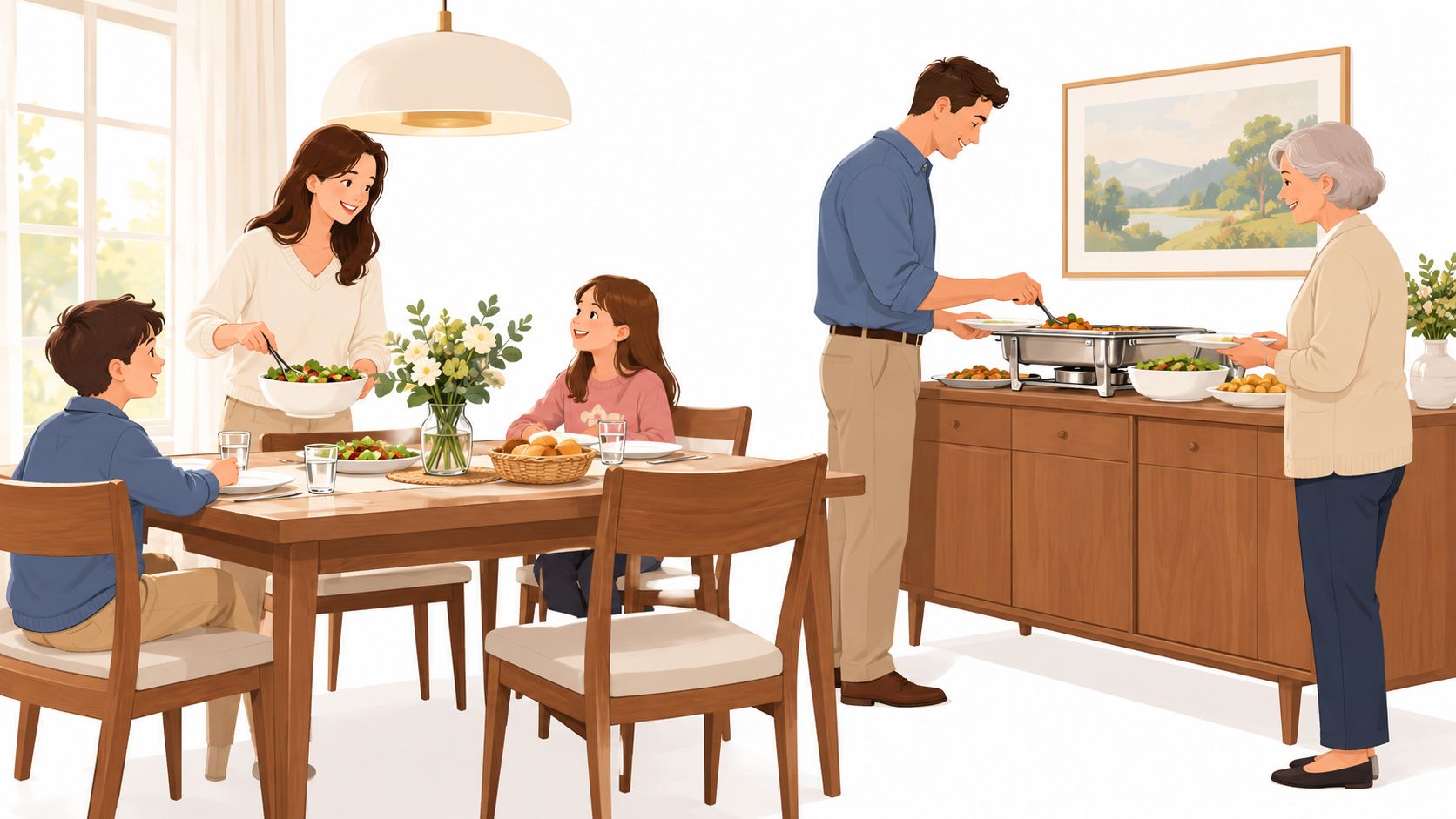
A Sunday dinner in a Longwood home can reveal the difference between an ordinary dining room and one designed to serve people well. When carving, plating, and clearing dishes happen at a well-placed buffet or server, the host can stay connected to the table instead of navigating around chairs with serving platters. When the piece is too deep, too narrow, or poorly constructed, even a beautifully furnished room can feel cramped and inefficient.
The terms buffet, sideboard, and server often overlap, but the right choice depends on storage needs, traffic flow, construction, and how the room is used every day. For homeowners in Orlando, Lake Mary, Winter Park, Sanford, and the surrounding Central Florida area, a carefully selected piece can provide both practical service and the enduring character expected from heirloom-quality furniture.
Why Buffet and Server Choices Shape Your Dining Room
In a Longwood dining room, a buffet may hold dinnerware, linens, serving bowls, and barware while providing a broad surface for plating. A server may perform the same role in a more compact footprint, helping a smaller dining area remain open around the table. The distinction matters because dining furniture influences more than appearance. It affects where guests walk, where food is prepared, and how easily the room returns to order after dinner.
The furniture category has a long history. Historical accounts trace the buffet to European dining culture, including Swedish smorgasbord service, before the idea moved into France and across Europe. Later changes in formal dining, particularly the rise of service à la russe in the 1850s and especially by the 1890s, shifted meals away from placing every dish on the table at once. Sideboards became working stations for carving, plating, and storing service ware, with late-19th-century examples often incorporating mirrors, divided drawers, and generous serving surfaces for meals that could include eight to fourteen courses. These details are documented in this history of buffets, sideboards, and servers.
A practical anchor for entertaining
That history still applies to contemporary Central Florida homes. A dining storage piece can stage food before service, protect fragile pieces between occasions, and keep the tabletop available for conversation. In an open-plan home near Lake Mary or Altamonte Springs, it can also define the dining zone without introducing a visual barrier as heavy as a cabinet or hutch.
The larger hospitality market reinforces the continuing relevance of serving furniture. One industry report estimates the global restaurant furniture market at USD 5.1 billion in 2025, with a projection of USD 7.1 billion by 2032 and 4.40% annual growth from 2026 to 2032. A broader hospitality furniture report values that market at USD 24.0 billion in 2025 and projects USD 38.86 billion by 2034 at a 5.5% CAGR. These figures appear in the restaurant furniture market report, and they help place dining and serving furniture within a larger culture of durable, functional hospitality design.
The best piece doesn't compete with the dining table. It supports it. Its scale, finish, and storage plan should make meals easier while giving the room a sense of permanence.
Buffet vs Server – Practical Differences That Matter
A buffet and a server may occupy the same category on a showroom floor, yet they solve different room problems. A buffet is usually broader, deeper, and visually more substantial. A server is generally narrower and easier to place where circulation is tight. Because retailers often use the terms interchangeably, judge the piece by its proportions, storage plan, and construction rather than its name.
| Feature | Buffet | Server |
|---|---|---|
| Storage capacity | Wider cabinets and more drawer space | Compact drawers or cabinet storage |
| Serving surface | Broad area for platters, carving, and staging | Efficient surface for smaller setups |
| Visual weight | Substantial and anchoring | Lighter and easier to place |
| Best fit | Formal dining rooms and frequent entertaining | Smaller dining rooms, breakfast areas, or flexible spaces |
| Planning concern | Width and depth affect traffic clearance | Easier width management, with less storage |
For planning purposes, a buffet or server commonly falls within an envelope of approximately 30 to 36 inches high, 48 to 72 inches wide, and 15 to 20 inches deep, according to this guide to buffet server dimensions. Smaller server forms may narrow to approximately 30 to 42 inches wide while keeping a similar serving height. These measurements are a starting frame, much like a custom garment pattern. The room, not the label, determines the final fit.
Matching the piece to the room
Choose a buffet when larger family dinners, generous concealed storage, or a strong focal point beneath artwork or a mirror are part of daily life. Its wider top can hold platters and serving pieces without constant rearrangement. A server makes more sense where the dining room opens to a kitchen, hallway, or living area and chairs and guests need a clear path.
A narrower room near Winter Park may have trim, moldings, or architectural details that call for a refined server. A larger dining room in a newer Central Florida home may support a substantial buffet along a long wall. In either setting, heritage American or Amish craftsmanship available locally in Longwood adds another decision point. Well-proportioned joinery, durable finishes, and repairable materials can matter more over time than a fashionable silhouette.
Practical rule: Choose the piece that supports the household's service habits without making chairs, doors, or people work around it.
Storage configuration deserves equal attention. Deep cabinets accommodate platters and large serving bowls. Drawers keep napkins, flatware, candles, and table linens organized for quick access. For a room that must support formal meals and ordinary weeknight use, review these considerations for selecting a dining storage piece. That assessment helps connect the furniture's dimensions with the way the household serves, stores, and moves around the dining room.
Solid Wood Construction and Hardware Indicators
After a family meal, the buffet may still be working. A drawer holds flatware, a serving platter rests on the top, and a hurriedly placed dish leaves condensation or heat behind. Those ordinary moments reveal why construction matters more than a polished showroom photograph.
Solid hardwood remains the durability benchmark for dining storage intended for long service. It can often be repaired, refinished, and maintained over time. Engineered wood with a quality veneer can also be a practical choice when its substrate, veneer application, edge treatment, and moisture protection are clearly understood. MDF fits budget-sensitive or painted applications better, particularly where repairability and moisture exposure matter less.
The material choice is only one part of the evaluation. Joinery and hardware work like the frame and hinges of a well-built home. They determine whether the piece continues to feel stable after the finish loses its newness. Heritage American and Amish furniture available locally in Longwood often makes these details easier to examine and discuss, especially for homeowners choosing an heirloom piece rather than a temporary dining-room accent.
What to inspect in the showroom
A hands-on inspection shows what product photography hides. Open every drawer, look at the finish from eye level, and check whether the doors meet evenly.
- Drawer joints: Dovetail construction indicates careful joinery and helps resist the repeated stress placed on drawer corners.
- Drawer movement: Ball-bearing glides should allow smooth operation while supporting the drawer's intended contents without roughness or wobble.
- Surface protection: A scratch-resistant finish helps protect serving areas used for platters, decorative objects, and frequently handled pieces.
- Back and interior construction: A finished interior, secure back panel, and properly aligned doors show attention beyond the visible front.
- Material honesty: Ask which components are solid wood, which use veneer, and where engineered materials appear.
These points align with the construction guidance for buffets and servers. Replace broad descriptions such as “premium construction” with specific questions about the drawers, glides, finish, frame, and back panel. A salesperson should be able to answer them plainly.
Construction check: A beautiful finish attracts attention, while joinery and hardware determine how the piece behaves after the novelty has passed.
Central Florida's humidity calls for sensible care, not avoidance of solid wood. Keep the room's indoor conditions reasonably stable, limit direct sun, and clean the furniture according to its finish. For a clearer explanation of species, material choices, and long-term performance, review this explanation of wood furniture and hardwood selection.
Test the doors and drawers before deciding. Doors should close evenly, drawers should travel without hesitation, and the top should feel properly supported. Those simple observations reveal more about lasting value than a product description alone.
Sizing and Placement for Central Florida Homes
A 72-inch buffet can look perfectly proportioned in a showroom and still crowd a Central Florida dining room. The room decides the fit. Measure the wall, chair movement, door swings, and walking routes between the kitchen, table, entry, and patio before choosing a finish or hardware style.
A measured placement process
Measure the usable wall. Start with the wall's total length, then subtract baseboards, outlets, vents, door trim, and the space required for a door to open. On a 120-inch wall, 6 inches of baseboard impact and a 30-inch door swing can reduce the usable width to about 84 inches. That leaves room for a 72-inch buffet and a floor lamp, provided the lamp does not interfere with circulation.
Map chair movement. Pull each dining chair away from the table as guests would during a meal. A 60-inch buffet needs at least 36 inches of clearance behind the chairs it faces, measured from the drawer front to the pulled-out chair. Treat that space as a working aisle, not leftover floor area.
Check doors and drawers. Open every door and drawer fully before ordering. A drawer that meets a chair or blocks the route to the patio will create the same frustration each day, regardless of how well the piece matches the room.
Account for visual balance. A wide buffet may support a substantial mirror, artwork, or lighting above it. A narrower server can sit more comfortably beneath one artwork piece or beside a console. The wall should feel composed, with enough breathing room around the furniture.
Protect the finish. Keep the piece away from strong direct Florida sunlight, which can fade finishes and warm wood unevenly. Reasonable airflow around the furniture also supports consistent care over time.
A dining room used for occasional large gatherings may need temporary service furniture. Homeowners can rent a 6ft table for a special event instead of selecting an oversized permanent buffet for rare occasions.
Measure before ordering
Record measurements in a simple sketch, and add photographs showing windows, vents, lighting, door swings, and adjoining furniture. The room-measuring guide for furniture can help prepare useful information for a design consultation.
A server often suits a breakfast area or narrow dining room because it preserves circulation. A buffet earns its floor space when the household regularly uses its broader storage and serving surface. In either case, leave enough room for guests to stand, talk, and move between courses without brushing against the furniture.
Multifunctional Use Cases Beyond Traditional Dining
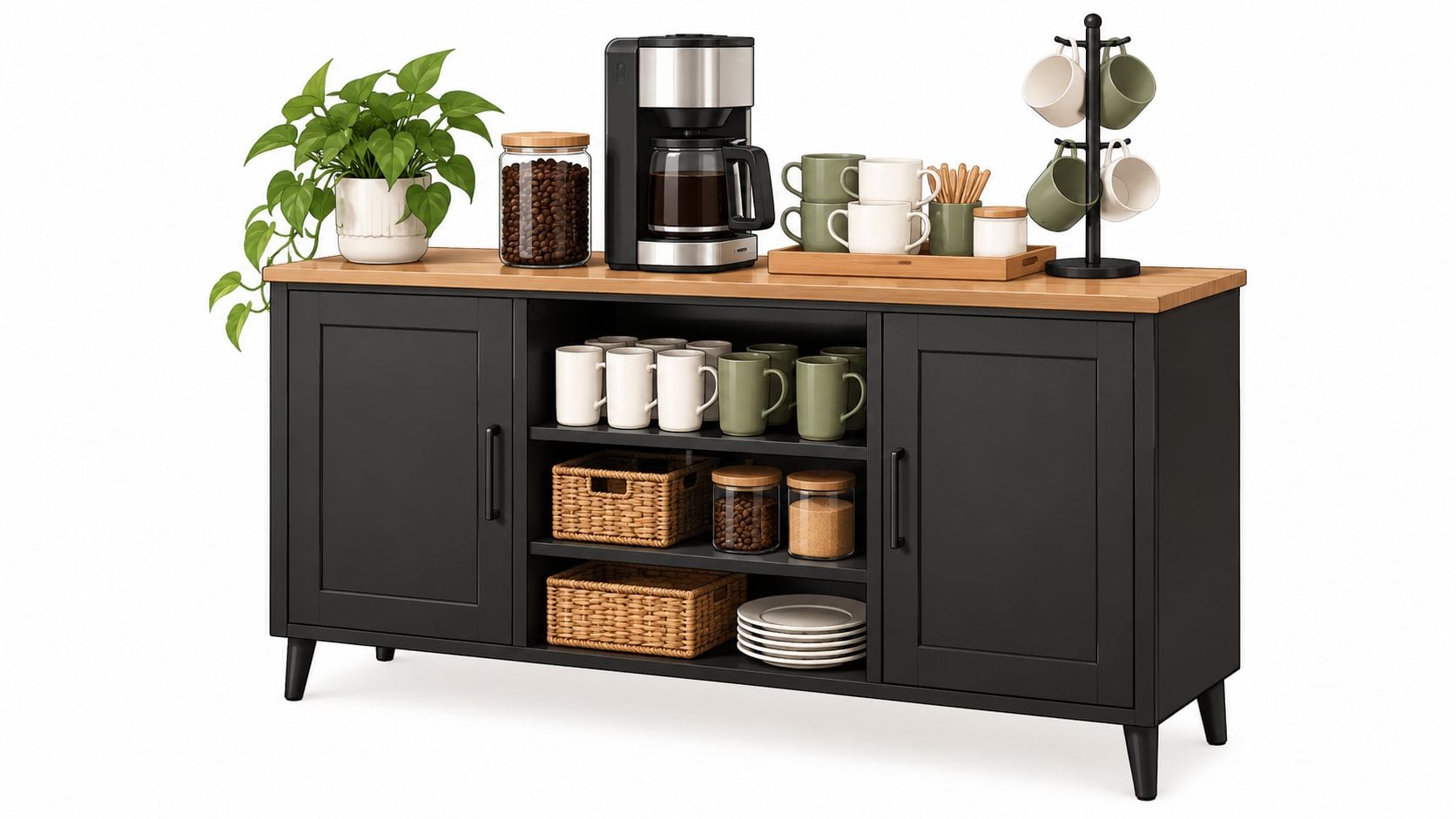
A Central Florida morning may begin with a server holding the coffee maker and mugs, shift to concealed storage during the day, and end with the same surface staging dinner. That change of role is the practical value of choosing a buffet or server with more than one routine in mind.
Open-plan homes especially benefit from this approach. A server can keep small appliances and coffee supplies together instead of spreading them across the kitchen counter. A buffet can store linens, chargers, board games, barware, and other entertaining items behind closed doors, preserving the room's calm appearance. The piece works like a well-organized utility room, keeping frequent tasks close while hiding visual clutter.
Storage should follow household habits
The right configuration depends on what the household reaches for each week. Consider the objects first, then select the drawers, shelves, doors, and surface that can support them.
- For daily coffee service: Choose a durable top, an accessible drawer for filters and utensils, and cabinet clearance for mugs. Check electrical access before placing a coffee maker or beverage appliance on the surface.
- For dinnerware storage: Adjustable shelving and sufficient cabinet width matter more than decorative detailing when the piece must hold larger plates and serving bowls.
- For entertaining overflow: Use drawers to separate napkins, candles, flatware, and linens. Deeper cabinets can hold serving pieces used less often.
- For compact living: A narrower server can provide hidden storage without overwhelming an apartment dining area or combined kitchen and dining room.
- For small appliances: Confirm interior height, cord routing, and ventilation needs before assigning an appliance a permanent place.
An overview of sideboard trends describes growing interest in multifunctional sideboards, including coffee stations, hidden storage, and compact designs for smaller homes. The practical lesson is straightforward: a daily-use cabinet earns its space more reliably than one reserved only for formal meals.
A multi-course dinner also benefits from a prepared surface. Plates, sauces, serving utensils, and finished dishes can wait nearby without crowding the table. In a home near Sanford or Altamonte Springs, a buffet can store seasonal entertaining pieces between gatherings, then become a serving station when guests arrive.
For additional planning ideas, review this guide to multifunctional furniture for modern homes. A durable piece with storage arranged around real household routines will remain useful long after a particular decorating trend passes.
Choosing Heritage Brands and Local Custom Craftsmanship
A buffet or server can look right in a showroom yet feel misplaced at home. The dependable choice begins with construction and the room's available space, then moves to finish, proportion, and origin. A heritage piece should suit the dining room today and remain useful as entertaining habits change.
American and Amish craftsmanship offers distinct paths without reducing the decision to a brand name. Arts and Crafts heritage pieces emphasize visible joinery, solid wood presence, and a restrained design language. Custom craftsman furniture built from hand-selected solid hardwoods and traditional joinery suits homeowners who want the piece fitted to the room. Other solid wood collections may focus on precise construction and carved detail, while custom dining furniture can be adapted to specific dimensions and finish requirements.
Comparing craftsmanship traditions
These categories are not interchangeable. A showroom consultation should help identify whether a homeowner is responding to an aesthetic, a construction method, or both.
- Arts and Crafts heritage furniture works well where visible joinery, substantial wood, and a lasting architectural character are central to the dining room.
- Custom Amish and craftsman furniture serves homeowners who want solid hardwood, traditional construction, and choices for dimensions, stain, hardware, and storage.
- Refined solid wood furniture suits dining spaces where precise proportions and carved details deserve close attention.
- Custom-finished dining furniture can support a defined design specification, allowing the finish and details to coordinate with existing pieces.
- Contemporary wood and metal furniture may suit a home that calls for a lighter profile, though its materials and construction should still be examined carefully.
The finish palette also matters. Richly figured hardwood can complement traditional architecture in Winter Park. A quieter finish may suit a newer home in Lake Mary or a transitional interior in Orlando. Custom ordering lets the buffet or server align with the dining table, lighting, rug, wall finish, and circulation plan instead of forcing the room to accept an off-the-shelf compromise.
Understanding origin claims
Origin language deserves careful attention. The Federal Trade Commission says an unqualified Made in USA claim requires a reasonable basis that the product is “all or virtually all” made in the United States, with final assembly or processing taking place in the country, as explained in the FTC standard for Made in USA claims. The FTC also considers the share of manufacturing costs tied to U.S. parts and processing, as well as how far foreign content is removed from the finished product, according to its plain-language compliance guidance.
Qualified claims can disclose mixed domestic and foreign materials, while an unqualified claim requires domestic labor and materials to meet the applicable standard. That distinction is outlined in the Made in USA FAQs. Ask where the wood, hardware, finishing, and assembly originate rather than relying on a flag, label, or broad marketing phrase.
A local showroom adds useful context because the furniture can be viewed at full scale and discussed in relation to the actual home. Homeowners interested in this tradition can explore Amish dining room furniture from Slone Brothers to examine hand-selected hardwoods and traditional joinery in finished pieces. Slone Brothers Furniture is a family-owned Longwood showroom serving Central Florida since 1980, with custom-order furniture, an in-house design team, home delivery, and American-made and Amish-crafted collections. A complimentary in-home design service can connect the buffet or server to the dining table, lighting, rug, wall finish, and circulation plan.
The right purchase supports daily ease and long-term character. A careful consultation should feel collaborative, with an experienced design professional explaining trade-offs rather than pressing for a quick decision.
Central Florida homeowners can visit Slone Brothers Furniture in Longwood to compare buffet and server proportions, inspect solid wood construction, and discuss custom finishes with experienced design consultants. The showroom's complimentary in-home design service and white-glove delivery can support a dining room planned for years of use.