

Queen Bedroom Furniture Guide: Sizes, Styles & Planning Tips


A queen mattress measures 60 by 80 inches. Its frame typically measures about 64 to 66 inches wide by 84 to 86 inches long, so a comfortable layout should reserve approximately 62 to 65 inches by 82 to 85 inches of clear floor space before adding walking paths and nearby furniture.
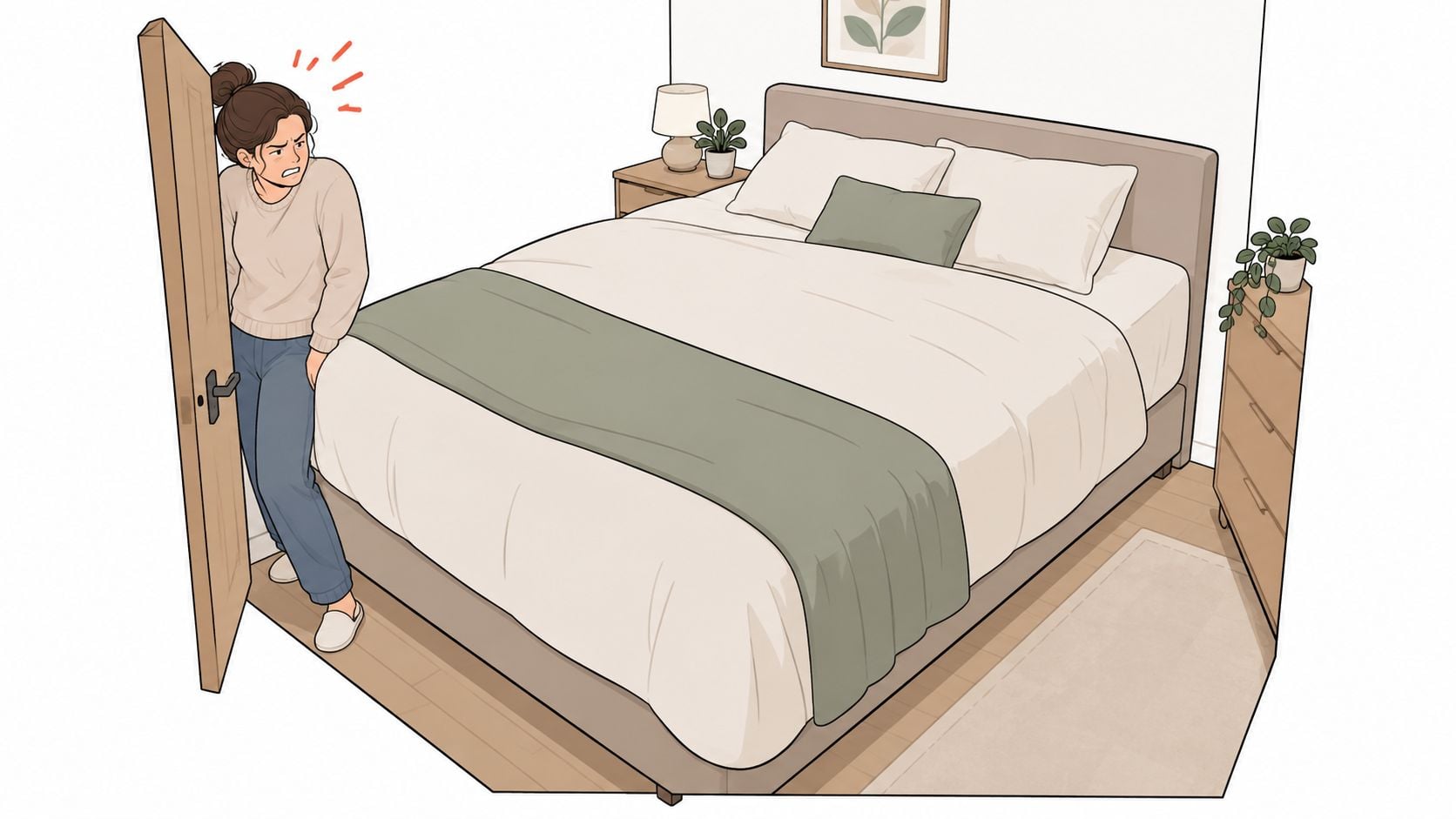
A homeowner can choose a beautifully crafted bed, place it in the room, and still end up frustrated when a door catches the nightstand, a dresser drawer can't open fully, or the path around the bed feels narrow. Those problems rarely come from the furniture itself. They come from planning around the mattress dimensions while forgetting the frame, storage, doors, windows, and everyday movement.
For Central Florida homeowners furnishing a primary bedroom, guest suite, or newly purchased home in Longwood, Orlando, Lake Mary, Sanford, Winter Park, or Altamonte Springs, queen bedroom furniture offers a balanced foundation. The format is generous enough for two adults while remaining easier to place than a larger bed system. The most successful rooms treat the bed as part of a complete spatial composition, not as an isolated purchase.
Why Queen Bedroom Furniture Dimensions Matter for Your Space
A homeowner in Lake Mary may fall in love with a substantial upholstered bed, a pair of handsome nightstands, and a wide dresser. After delivery, the bed fits, but the room doesn't function. One nightstand crowds the entry door, the dresser sits too close to the footboard, and the remaining walkway makes the suite feel more like a storage room than a retreat.
That outcome is avoidable. The first step is to measure the room before selecting queen bedroom furniture, including door swings, windows, vents, trim, outlets, and architectural interruptions. Slone Brothers offers a practical room measurement guide for homeowners who want a more reliable starting point than a quick estimate from wall to wall.
The room needs to work beyond the photograph
A bedroom has several daily jobs. It must support restful sleep, provide clothing storage, allow easy bedmaking, and preserve comfortable circulation. A layout that looks elegant from the hallway can become inconvenient when a resident can't reach a drawer, open a closet, or walk around the bed without turning sideways.
Queen-size furniture has also become a familiar planning format because it balances sleeping comfort with room flexibility. That makes it particularly useful in Central Florida homes where one room may serve as a primary suite today and a guest bedroom or future family space later.
Practical rule: Furniture should fit the way residents move through the room, not only the way the room appears in a staged photograph.
A thoughtful design consultant considers the bed, case goods, lighting, rugs, artwork, and mattress height together. That approach creates a bedroom with visual calm and practical comfort, whether the style is crafted American design, upholstered softness, or clean contemporary wood.
Understanding Queen Bed Dimensions and Room Layout Requirements
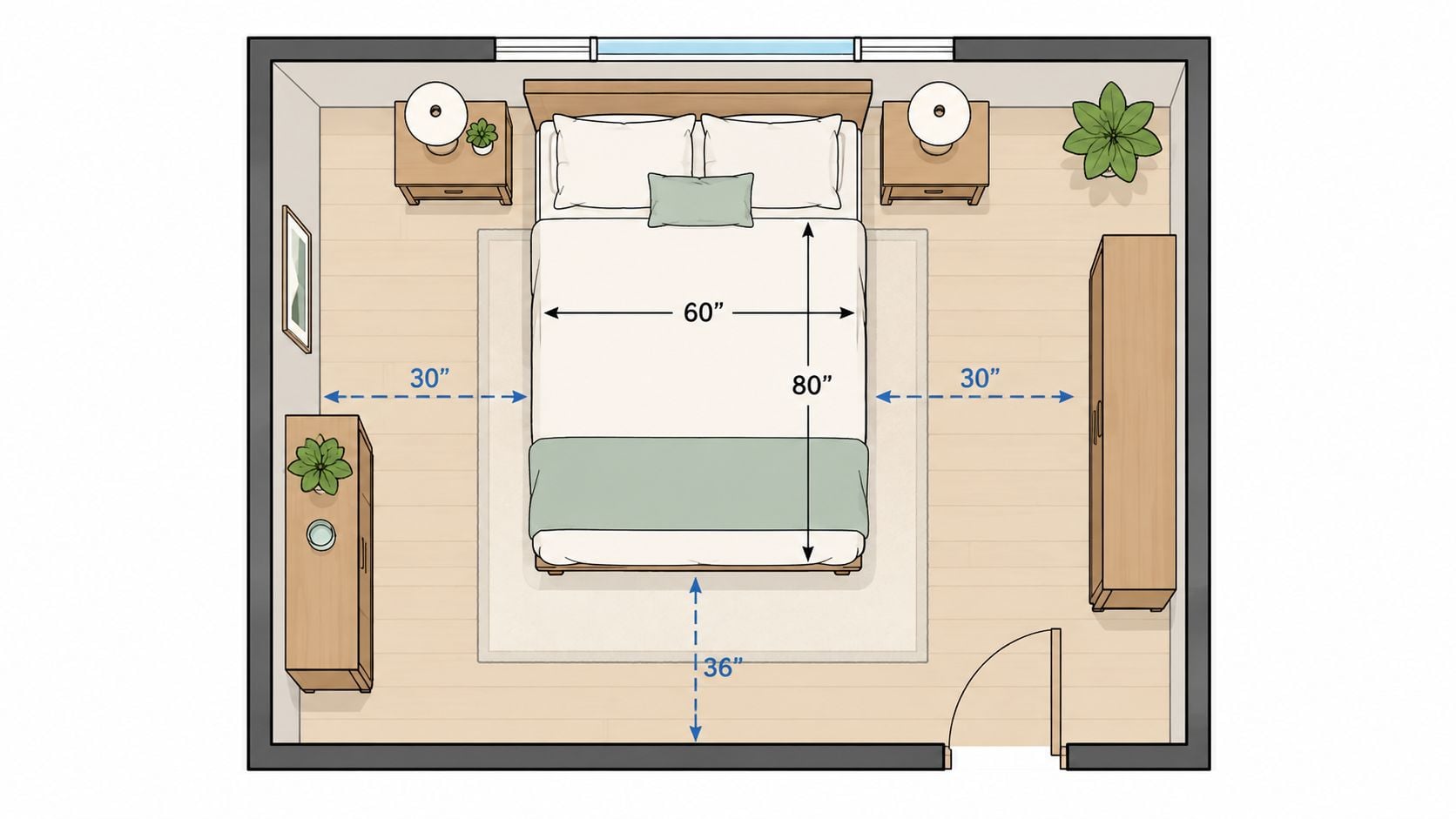
The queen mattress standard is 60 inches wide by 80 inches long, while the frame commonly extends about 2 to 5 inches farther in each direction. That produces a typical frame footprint of roughly 64 to 66 inches by 84 to 86 inches, and the recommended planning area is approximately 62 to 65 inches by 82 to 85 inches before additional clearance is added for circulation and case goods. A detailed queen bed dimension guide explains why the mattress measurement alone isn't enough for layout decisions.
The difference matters most in compact primary bedrooms. A queen bed can occupy the center of a room, but nightstands need usable width on both sides, and a dresser needs space for drawers to extend into the room. A walkway beside the bed also needs to feel intentional rather than like a narrow gap left over after the furniture was placed.
Plan the footprint, then plan the experience
A useful floor plan marks three separate zones:
- Bed footprint: Include the headboard, side rails, footboard, and any projecting trim.
- Movement zone: Mark the paths residents use to enter, dress, make the bed, and reach windows or closets.
- Storage zone: Account for dresser depth, drawer pullout, cabinet doors, and access to nightstand storage.
A tall upholstered headboard may require more wall presence than a low wood panel. A storage bed can reduce the need for a separate chest, but its drawers still need room to open. These details affect the plan even when the mattress size remains unchanged.
A bedroom relocation or renovation also benefits from practical packing resources. For wardrobes and hanging garments, Wardrobe Moving Boxes can help protect clothing while furniture is moved and the room is reorganized.
For homeowners comparing mattress options, Slone Brothers' guide to choosing the best bed mattress size for a home provides useful context before a frame is ordered. The key is to choose the mattress and furniture as a coordinated system, not as separate decisions made weeks apart.
Essential Components of a Complete Queen Bedroom Set
A complete queen bedroom should feel composed, but it doesn't need to look like every piece came from one rigid collection. The bed establishes the visual center, while storage and bedside furniture determine how well the room serves daily life.
Start with the bed and headboard
The bed frame carries the mattress and establishes the room's scale. Solid wood creates architectural warmth, while an upholstered frame can soften a larger suite and introduce texture. A headboard also controls the wall behind the bed. A simple wooden panel feels restrained, whereas a custom upholstered statement can make the bed read as the room's focal point.
Add bedside surfaces with purpose
Nightstands should do more than fill the space beside the bed. They provide room for lighting, reading material, personal items, and charging needs, while drawers or doors keep the surface composed. Their height should relate comfortably to the mattress and the headboard, so residents aren't reaching awkwardly down or stretching upward.
The bed, nightstands, and lighting should be evaluated together. In a room with a feature wall, homeowners can also consider how to hang bedroom wallpaper so pattern scale and furniture placement remain visually balanced.
Select storage according to the wardrobe
A dresser offers broad, accessible storage, while a chest uses vertical space when the floor plan is tighter. An armoire can conceal clothing or provide a more substantial furniture presence, and a vanity may combine grooming space with additional drawers.
The right combination depends on how residents store clothing. A homeowner with a compact closet may need a dresser and chest, while a suite with generous built-in storage may benefit from fewer, better-proportioned pieces.
Slone Brothers' bedroom furniture sets provide a useful reference for coordinating beds, nightstands, dressers, and related pieces. A consultant can then adjust the selection around the room's measurements, architectural character, and preferred finish rather than forcing an oversized set into an unsuitable plan.
Choosing Quality Materials and Construction Methods
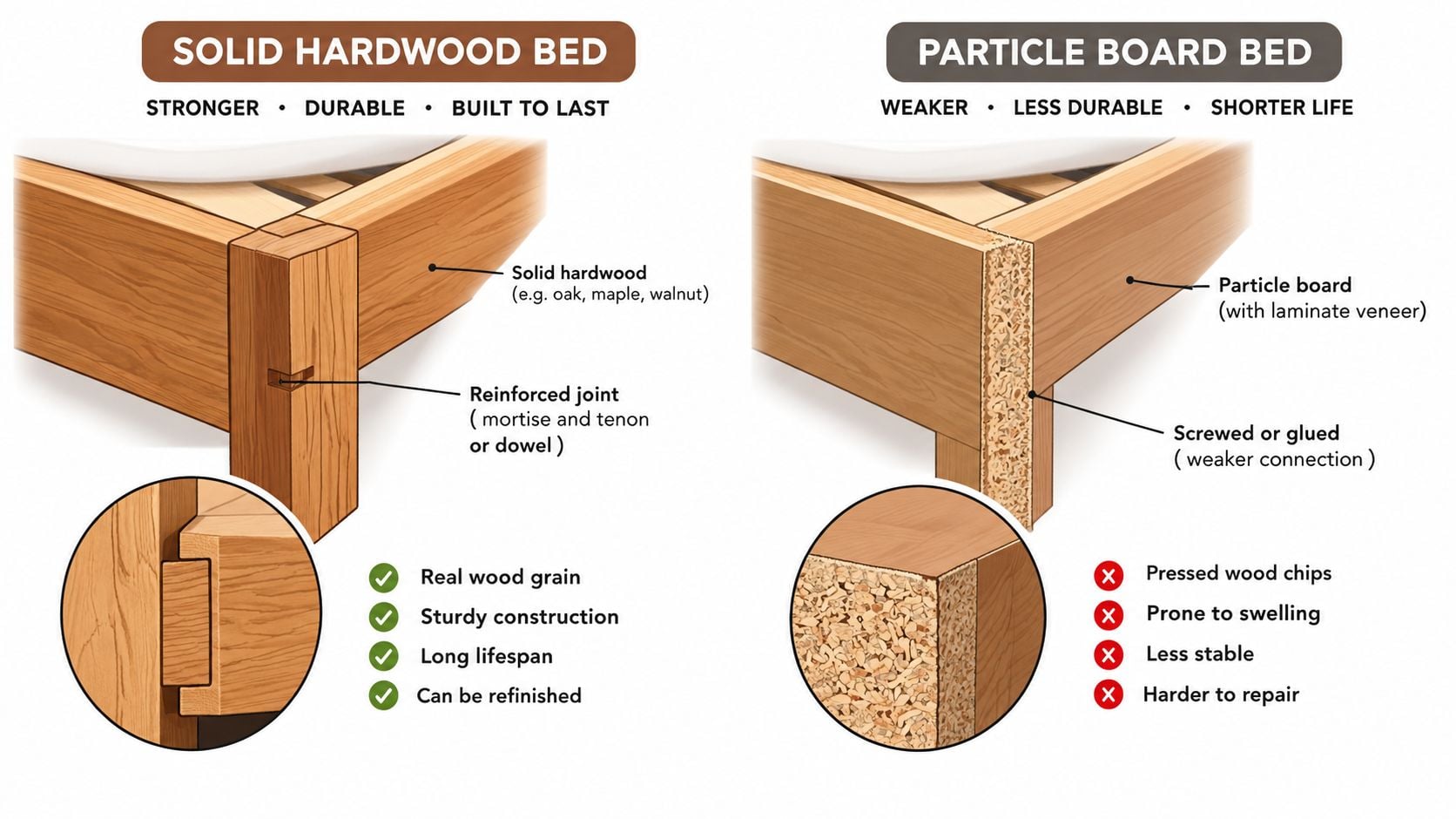
Appearance can suggest quality, but construction reveals it. Solid hardwood, carefully fitted joints, stable drawer boxes, and reinforced frames generally provide a stronger foundation for queen bedroom furniture than thin panels and lightly supported assemblies.
A quality comparison begins with the material itself. Solid hardwood offers structural weight, repairability, and a tactile surface that can develop character over time. Engineered wood products can perform well in selected applications, but lower-grade versions are more vulnerable to damage at edges, fastener points, and heavily used surfaces.
One industry guide describes solid hardwood bedroom pieces as often lasting 20 to 30-plus years, compared with 5 to 10 years for engineered wood products. Those figures are cited in this construction and quality guide, and they illustrate why a higher initial investment can make sense for a homeowner furnishing a primary bedroom for long-term use.
Look inside the drawers and under the frame
The most telling details are often hidden:
- Dovetail drawer joints: Interlocking construction helps drawers resist loosening under repeated opening and closing.
- Mortise-and-tenon frame joints: These connect structural members with a traditional method designed for strength and stability.
- Reinforced corner blocks: Added support at frame corners helps the bed withstand recurring movement and load.
- Stable drawer operation: Smooth, even movement indicates that the case has been built and aligned with care.
A local showroom makes these details easier to inspect than an unverified online photograph. Homeowners can open drawers, examine finish consistency, feel frame weight, and ask how a piece is made before committing.
American-made and Amish-crafted furniture often appeals to buyers who want traditional joinery, selected hardwoods, repairable construction, and a recognizable lineage of craftsmanship. Collections from makers such as Stickley and Simply Amish represent different expressions of that tradition, from Arts & Crafts character to custom American craftsman furniture. A broader discussion of species, grain, and durability appears in this guide to choosing hardwood furniture.
Pairing Your Queen Mattress with the Right Bed Frame
A premium mattress can't perform properly on an unsuitable frame. The mattress and support system should be selected as a partnership, particularly for homeowners concerned with alignment, pressure relief, and long-term sleep comfort.
Memory foam, hybrid, and innerspring mattresses distribute weight differently. Some require closely spaced support, while others depend on a rigid center structure and carefully positioned slats. The frame manufacturer's support requirements should be checked before purchase, especially when a platform, adjustable base, or specialty foundation is under consideration.
Support affects more than comfort
A stable bed frame helps the mattress maintain its intended shape and reduces unnecessary movement. It also protects the furniture investment by limiting stress on rails, slats, hardware, and joints. Solid wood construction can provide a reassuring sense of stability, but the design still needs appropriate center support and properly engineered connections.
A mattress marketed only as an immediate solution may not provide the consistent comfort or alignment a homeowner expects from a carefully designed sleep system. Premium mattresses focus on material performance, body support, and construction quality, but even an excellent mattress needs a compatible base.
A well-designed bedroom doesn't separate furniture decisions from sleep decisions. It treats both as part of the same daily wellness environment.
Height deserves attention as well. A tall mattress paired with a high footboard can make the bed feel visually heavy, while a low-profile mattress on a substantial frame may look unbalanced. The finished height should be tested in relation to the sleeper, bedside tables, window lines, and the room's overall proportions.
Practical Space Planning and Measurement Tips
A successful layout starts with a drawing, not a delivery appointment. Measure the full room length and width, then record doors, windows, baseboards, vents, electrical outlets, ceiling features, and built-in storage. In Florida homes, unusual corners, wide openings, and architectural transitions can change the usable area more than a simple rectangular measurement suggests.
Build a working plan
Use graph paper or a digital room planner to create the room outline. Then mark the queen mattress, the full frame footprint, nightstands, dressers, and any additional pieces at the same scale. Painter's tape on the floor offers a physical check, especially for homeowners who have trouble visualizing furniture volume from a screen.
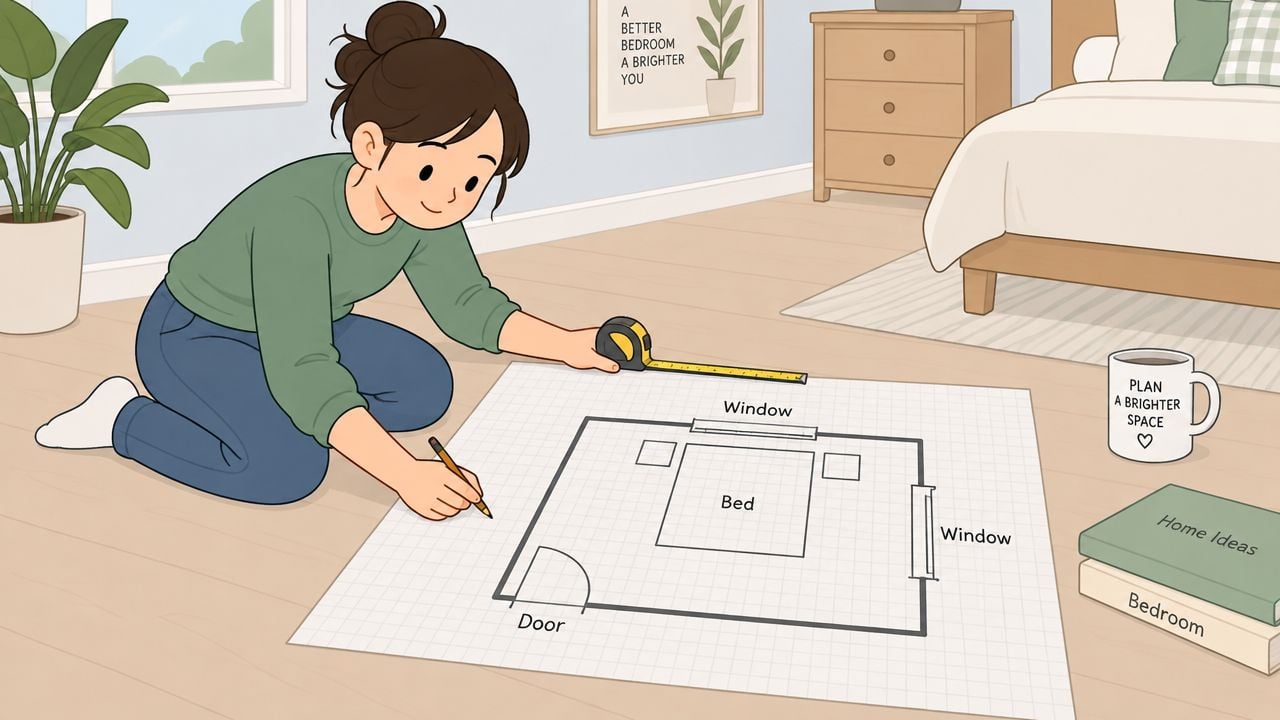
Walk through the taped layout at different times of day. Open imaginary dresser drawers, approach the bed from the door, and stand where a resident would reach for a lamp or clothing. This exercise identifies functional conflicts before a finished piece arrives.
Check scale and sightlines
A substantial bedroom suite can look beautifully proportioned in a large showroom and overwhelming in a smaller Orlando-area room. Consider the height of the headboard against the ceiling, the width of the dresser relative to the wall, and whether a tall chest blocks natural light from a window.
- Record access points: Measure the path from the entry door to the bedroom, including turns and narrow hallways.
- Protect circulation: Keep the main route clear instead of filling every available wall.
- Test storage access: Allow room for drawers, cabinet doors, and closet doors to open fully.
- Review lighting: Place lamps and outlets where residents can use them without stretching cords across walkways.
Design consultant's advice: A room feels spacious when every piece has a reason to be there and enough room to perform its job.
Custom Orders and Local Design Services for Your Bedroom
Custom queen bedroom furniture earns consideration when a standard frame almost works but misses the room's proportions, finish, storage needs, or character. A custom order can coordinate wood species, stain, upholstery, hardware, headboard height, and case-good configuration around the actual bedroom rather than asking the room to accommodate a predetermined package.
Custom upholstered furniture requires planning. A realistic lead time is about 8 to 16 weeks from order to delivery, according to this custom furniture lead-time guide. Another industry guide separates the process into design, shop drawings, fabrication, and delivery, with 3 to 5 weeks for shop drawings and 8 to 10 weeks for fabrication after approval in one described workflow, as outlined in this ordering guide.
That timeline makes early measurement and finish selection important. It also gives homeowners time to coordinate mattress delivery, wall treatments, lighting, rugs, and other elements without making rushed decisions.
A local showroom adds practical value through direct conversation and in-person evaluation. Slone Brothers Furniture offers custom-order furniture and complimentary in-house design services, allowing homeowners to discuss room dimensions, materials, finishes, and configuration with an experienced design team. For Central Florida residents, custom furniture ordering can be part of a face-to-face planning process rather than an isolated transaction.
Ready to invest in furniture that lasts a lifetime? Visit Slone Brothers Furniture in Longwood, FL to explore queen bedroom furniture, premium mattresses, American-made and Amish-crafted pieces, and complimentary design guidance. The experienced design consultants can help Central Florida homeowners measure, plan, and furnish a bedroom that feels as comfortable in daily life as it looks in the showroom.