
Decorating Tuscan Style in Central Florida

A Central Florida homeowner may love the warmth of Tuscan interiors, then hesitate in front of a room filled with dark wood, ornate iron, and glossy golden finishes. That hesitation is justified. The early-2000s version often feels more like a themed restaurant than a gracious home, especially beneath the strong sunlight of Longwood, Lake Mary, Winter Park, or Orlando.
Decorating Tuscan style today means keeping the materials, comfort, and earthy warmth while removing the theatrical excess. The strongest rooms use substantial furniture, soft plaster-like walls, natural textiles, carefully selected wood, and enough open space for Florida living. They feel collected, not staged, and they pair Mediterranean character with American-made craftsmanship and thoughtful proportions.
What Tuscan Style Really Looks Like Today
A refined Tuscan room in 2026 should feel warm, tactile, and settled, not dark, crowded, or aggressively rustic. The modern interpretation keeps terracotta, stone, plaster, wood, and iron, but uses them with restraint so an open Central Florida floor plan still feels bright and comfortable. Recent coverage describes this lighter Modern Tuscan or Tuscan revival direction as a response to cold gray minimalism, with greater emphasis on earthy color, natural material, comfort, and functional gathering spaces (Mela Aura's Tuscan revival overview, Better Homes & Gardens on the return of Tuscan style).
A homeowner furnishing a new build near Lake Mary may already have the right foundation: tall windows, connected living and dining areas, and a view toward a lanai. The mistake would be filling that openness with dark matching furniture and heavy ornament. The better approach uses one or two grounded pieces, then lets light, texture, and negative space carry the room.
Why the old version looked so heavy
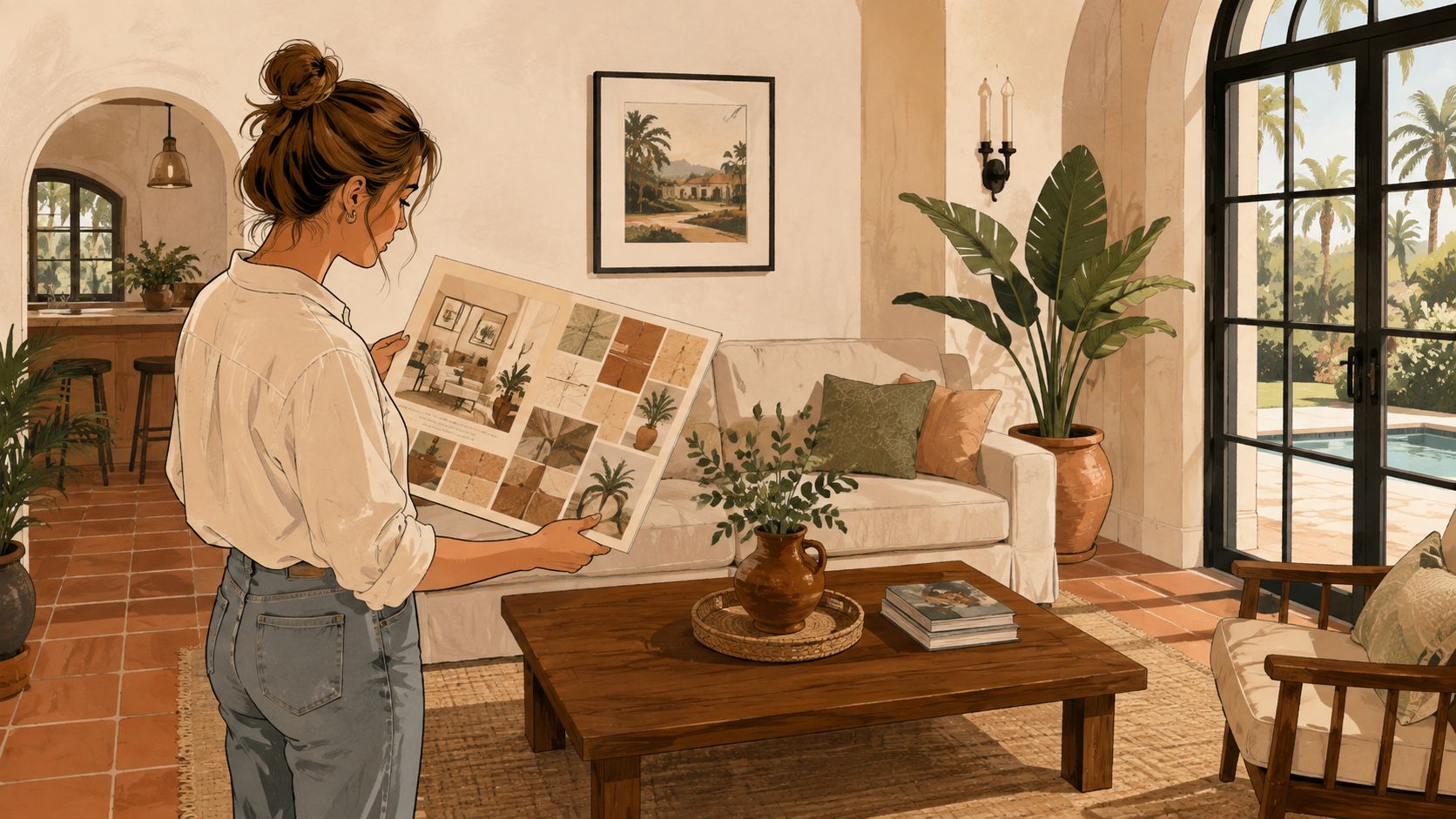
Tuscan decorating gained modern U.S. popularity during the 1990s and early 2000s, with multiple design sources identifying its peak between 2005 and 2010 (House Digest's history of the trend). American interpretations amplified warm earth tones, heavy textures, faux-aged finishes, ornate iron, and dark cabinetry. The result became a recognizable color palette rather than a faithful translation of Tuscan architecture.
The lineage is older than that American revival. One account connects Tuscan design to the 16th-century Renaissance period, while another traces original Tuscan architecture to the Roman period and describes later American adaptations by travelers returning from Europe (Genroom's Tuscan design history). Traditional materials developed from local availability and practical building needs, including stone, wood, plaster, terracotta, and iron.
The modern decision rule
Keep what gives the room weight and warmth:
- Natural material: stone, solid wood, terracotta, plaster, linen, cotton, wool, and woven fibers.
- Quiet irregularity: hand-rubbed surfaces, visible grain, and modest variation instead of artificial distressing everywhere.
- Comfortable scale: sofas, dining tables, and beds should feel substantial without blocking circulation.
- Selective ornament: one carved detail or iron accent has more authority than a room full of them.
Retire glossy red stains, faux antiquing on every surface, oversized iron scrollwork, and drapery that turns a sunny Florida room into a dim interior. A Tuscan-inspired home should feel connected to the outdoors, particularly when its architecture already includes sliders, arches, or indoor-outdoor entertaining areas.
The Tuscan Material Palette That Works in Florida
Tuscan materials are the style. Color alone won't create authenticity. A convincing Central Florida interpretation begins with plaster-like walls, grounded flooring, honest wood, tactile upholstery, and restrained metal accents. Tuscan design has been associated with a rural building tradition using thick limestone walls, exposed chestnut beams, and terracotta tiles fired near Impruneta, while its broader material language includes stone, plaster, wood, terracotta, and iron (Genroom's account of Tuscan building traditions).
Florida changes how those materials should be selected. Strong ultraviolet exposure, humidity, air-conditioning cycles, and active household traffic all reward finishes that are durable, repairable, and easy to live with. A material may look beautiful in a photograph yet feel wrong when it cannot handle a busy entry from a garage, a dog moving through the living room, or sunlight crossing a sofa every afternoon.
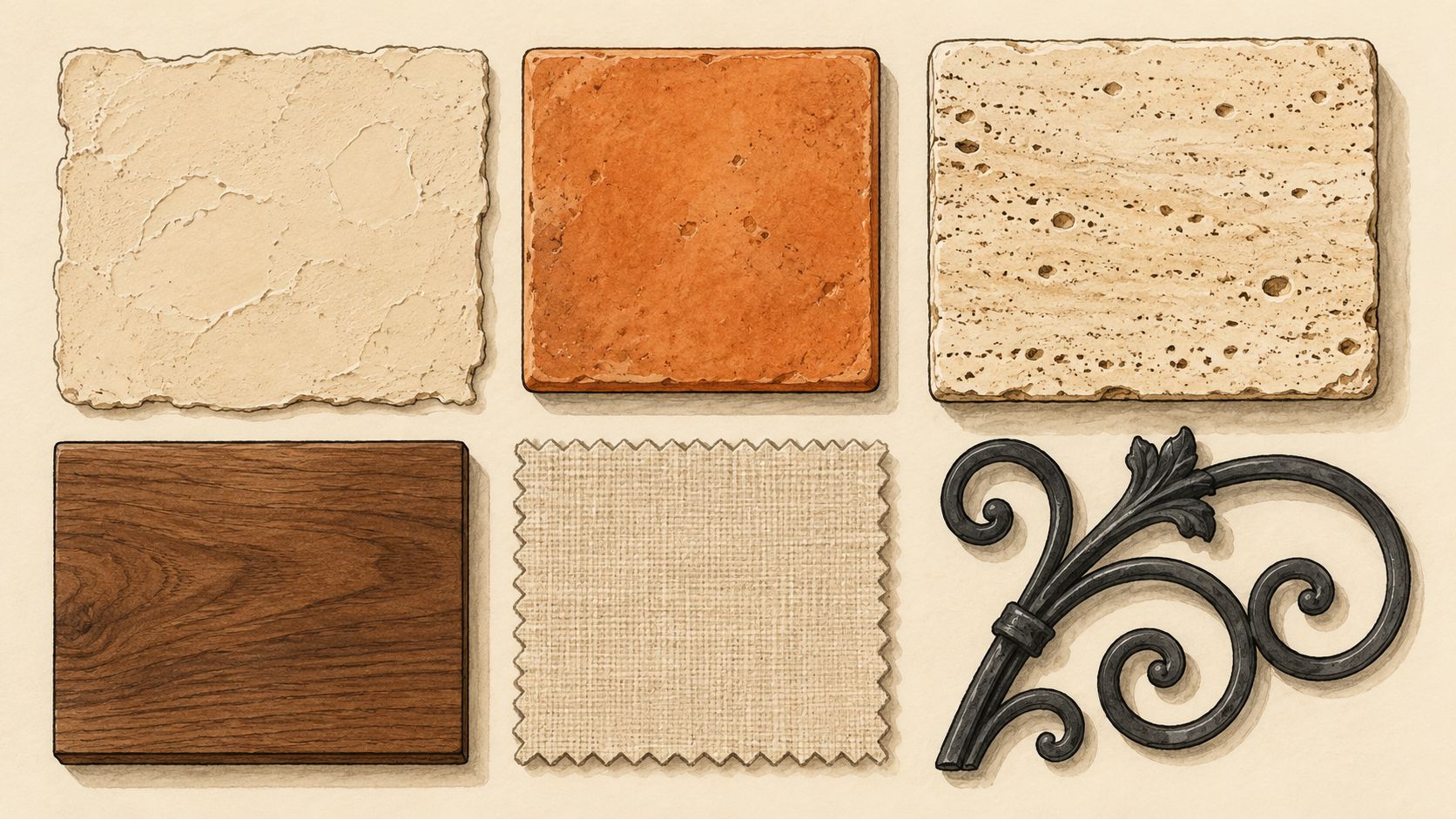
Materials worth keeping
Plaster-look walls soften reflected light and provide the imperfect depth associated with Mediterranean interiors. A matte or low-sheen finish is preferable to a glossy treatment, especially in rooms with broad windows.
Terracotta and stone ground the palette. Terracotta works beautifully in entryways, kitchens, and covered outdoor-adjacent spaces, while stone-look surfaces can provide the same visual mass with easier maintenance when the application demands it.
Solid wood brings the warmth that many Tuscan rooms need. Walnut, chestnut-inspired tones, oak, and other substantial woods work well when the grain remains visible and the finish doesn't turn orange or excessively shiny. Brands such as Stickley and Bassett offer furniture traditions that translate this richness into American-made pieces rather than decorative replicas.
Wrought iron still belongs in the conversation, but it should appear as punctuation. A restrained chandelier, console detail, or chair frame is enough for most contemporary homes.
Materials that need discipline
Linen, cotton, wool, and woven textiles create softness against hard flooring and stone. In Florida, upholstery should be evaluated for weave, maintenance, light exposure, and the way it will perform in the room, not selected solely for a rustic appearance.
The practical shopping checklist is straightforward:
- Use matte surfaces on walls and large architectural planes.
- Choose real grain or convincing craftsmanship over printed wood patterns.
- Limit busy patterns when flooring or countertops already carry movement.
- Favor repairable, serviceable construction for investment furniture.
- Test finishes in the actual room light before committing to a large order.
A high-quality American-made or Amish piece doesn't need a literal Italian motif to support Tuscan decorating. Its proportion, grain, weight, and finish can deliver the same sense of permanence with construction suited to an American household.
Building a Tuscan Living Room That Lives Well
The best Tuscan living rooms are built in sequence, not assembled from matching pieces. Start with the room's largest visual planes, then add furniture with enough mass to feel intentional, followed by textiles and one darker accent. This order prevents the common Central Florida mistake of buying ornate accessories before the seating and woodwork have established the room.
A designer's order of operations
Set the walls first. Choose a soft matte cream, warm neutral, or plaster-look finish. The surface should absorb light gently rather than reflect it across the room.
Choose the floor relationship. Terracotta, stone, warm wood, and quiet stone-look flooring all support the style. If the floor already has strong pattern or variation, keep the rug and upholstery calmer.
Place the largest upholstered piece. A performance linen blend can provide the relaxed look of washed fabric while offering a more practical choice for a bright family room. An American Leather sectional can supply a clean, tailored silhouette without losing the substantial comfort expected in a Tuscan setting.
Add one anchor in wood or stone. A Stickley or Bassett cocktail table can establish the room's center through solid construction, visible grain, and a finish that carries the eye across the seating group.
Introduce one dark note. A single iron lamp, dark wood chair, or aged-bronze table base is usually enough.
Layer natural textiles. Linen, cotton, wool, and woven fibers add depth without forcing more color into the room.
Practical rule: The room should feel warm because of its materials and proportions, not because every surface has been artificially aged.
What to remove from the old formula
Glossy red-toned stains, faux antiquing, and heavy drapery remain the fastest ways to make a living room feel dated. Drapery should filter glare and frame the windows, not eliminate the natural light that gives Florida homes their character.
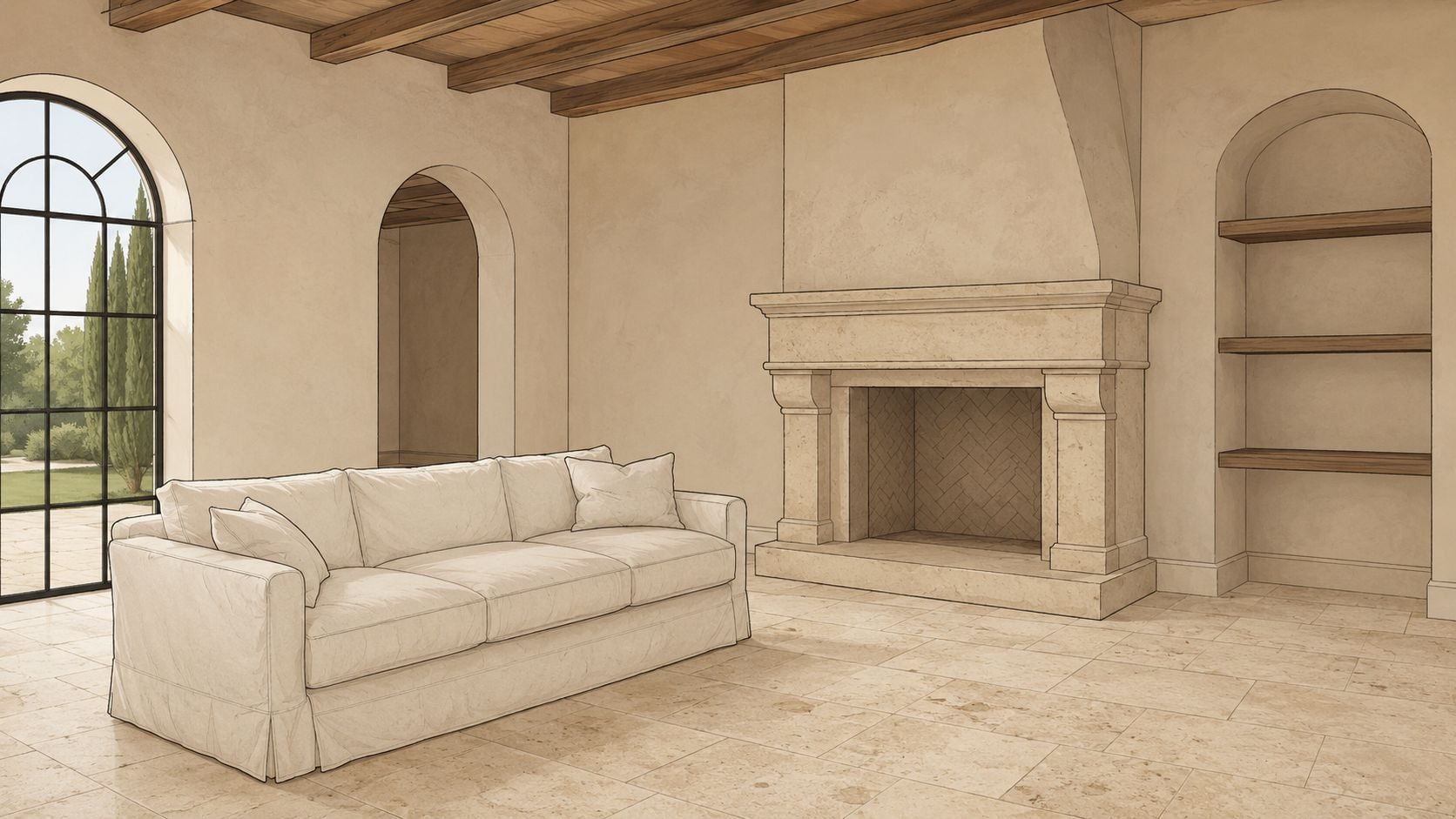
Proportion matters more than decoration. A substantial sofa needs tables that can be reached comfortably, enough clearance for circulation, and chairs that support conversation rather than filling corners. In homes from Altamonte Springs to Winter Park, the living room often shares sightlines with the kitchen and lanai, so the furniture arrangement must look composed from multiple directions.
The goal isn't minimalism. It is edited abundance, a few excellent materials repeated with variation, supported by seating that can withstand daily use and still look appropriate years later.
Dining Rooms That Anchor an Open Florida Floor Plan
A Tuscan dining room succeeds when the table feels like a gathering place rather than a prop. Traditional rooms often rely on a heavy farmhouse table, but a contemporary Florida home needs enough visual weight to anchor an open plan without creating a barrier between the dining area, kitchen, and outdoor living space.
The most useful comparison is between table construction, finish character, and the way each option supports the surrounding architecture.
Choosing a Tuscan-Friendly Dining Anchor
| Table Type | Why It Fits Tuscan | Best For |
|---|---|---|
| Canadel custom-order table | Offers a warm finish and the ability to coordinate size, color, and profile with the room | Homeowners furnishing an open plan with specific dimensions |
| Simply Amish trestle or leg table | Brings solid-wood presence and straightforward craftsmanship | Families seeking a substantial, multigenerational dining anchor |
| Traditional heavy farmhouse table | Provides strong rustic character and visual mass | Rooms with generous circulation and limited competing ornament |
| Refined wood table with restrained distressing | Preserves Tuscan warmth without looking themed | Contemporary homes combining Mediterranean texture with cleaner furniture |
Canadel is particularly useful when the dining room must relate to an adjacent kitchen or great room. A custom-order finish can echo the warmth of surrounding wood without forcing every piece to match. A Amish table makes a different statement, with solid-wood construction and a clear sense of permanence that suits homeowners furnishing for long-term use.
The chairs should soften the table. Smith Brothers upholstered chairs can add the linen-like comfort, supportive structure, and tactile contrast that a hard wood surface needs. Palasar can also contribute upholstered seating when the room calls for a more polished silhouette.
Proportion and sightlines
A table shouldn't interrupt the view toward a pool, lanai, or garden. A low sideboard or buffet can provide storage while preserving the visual connection between dining and outdoor areas, particularly in homes around Sanford and Dr. Phillips.
Lighting should be selected after the table's scale is established. An iron or aged-bronze fixture can reinforce the style, but it should hang high enough to preserve conversation and sightlines while remaining low enough to make the table feel intimate. Dimmability matters because the room must transition from bright daytime meals to evening entertaining without relying on a single harsh source.
The strongest dining rooms use one clear focal point, usually the table or light fixture. Patterned flooring, ornate chairs, elaborate wall treatment, and a heavily carved buffet competing together will make the room feel staged.
Bedrooms Built Around Heirloom Wood and Honest Textiles
A Tuscan bedroom should feel quiet, grounded, and comfortable enough for daily retreat. The style translates best through heirloom wood, supportive upholstery, breathable textiles, and warm lighting, not through excessive carved motifs or dramatic villa decoration.
Begin with the bed. An Amish solid-wood bed supplies structure and visible craftsmanship, while a Smith Brothers bed or made-to-order headboard can bring upholstered comfort into the room. American Leather accent seating offers another way to introduce a clean, durable silhouette that complements wood without competing with it.
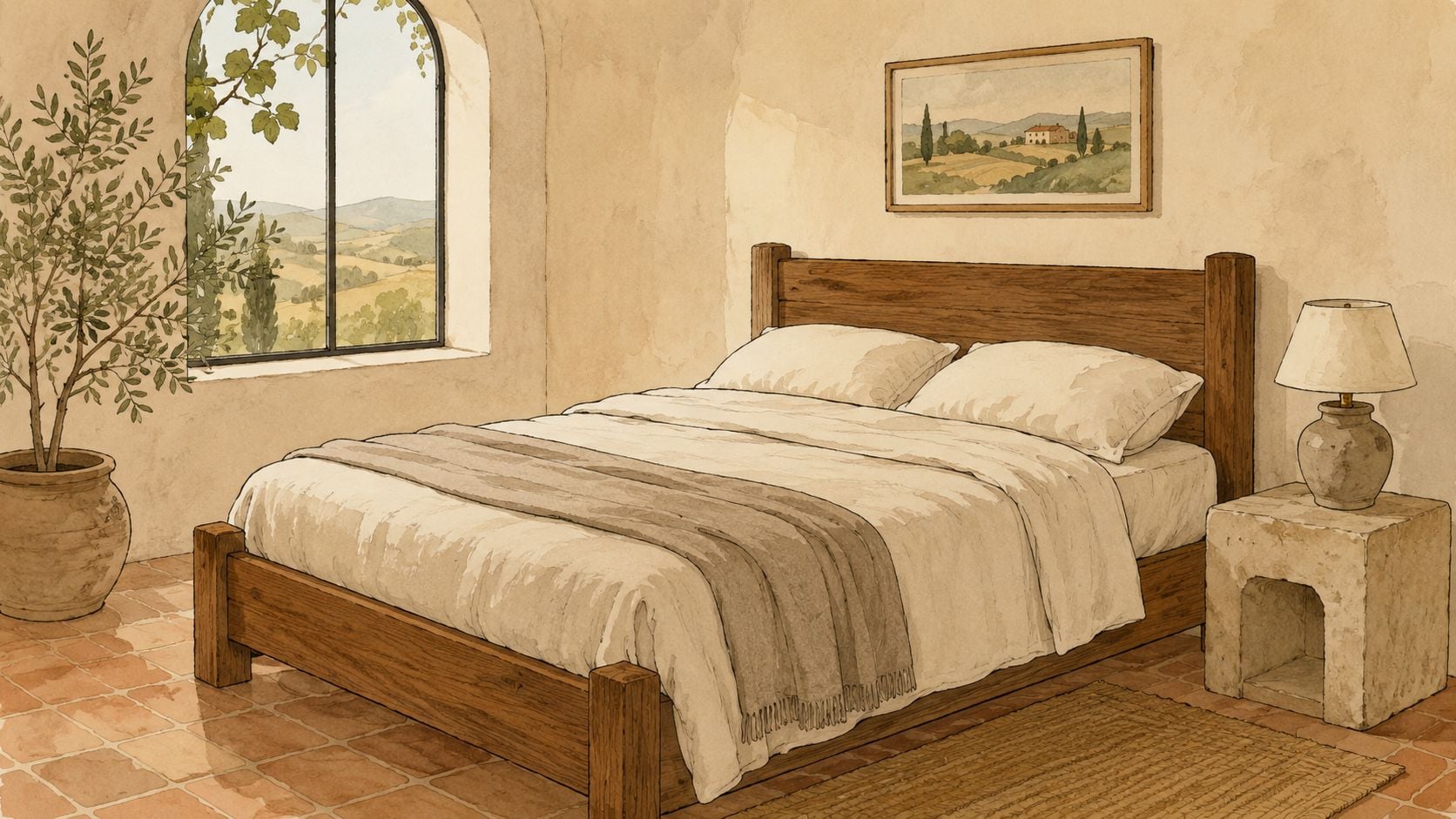
Build comfort before decoration
The mattress is part of the design decision, not an afterthought. A supportive, quality mattress should be evaluated for alignment, pressure relief, sleeping position, and long-term durability. A bedroom may look beautiful with Tuscan wood and linen, but it won't serve the homeowner well if the sleep system doesn't provide dependable support.
Layer the room with materials that feel natural against the skin:
- Linen and cotton bedding provide relaxed texture and breathable softness.
- Wool rugs add warmth underfoot without demanding ornate pattern.
- Solid wood nightstands give the bed a visual counterweight and useful storage.
- A padded headboard can soften acoustics and make the room feel more restful.
- Dimmable bedside lighting supports reading and evening calm.
Plaster-finish walls work especially well in a bedroom because they create depth without requiring artwork on every surface. Warm lamps, aged-bronze hardware, and simple ceramic accessories can complete the atmosphere without making the room feel like a themed suite.
Adding an Italian sitting-room note
A Stressless reading chair in a warm leather can bring the comfort of an Italian sitting room into a primary bedroom. Its ergonomic design supports the chair's purpose, while the leather introduces the darker, grounded material Tuscan rooms often need.
The chair should occupy a deliberate corner, ideally near a window or lamp, but it shouldn't block circulation around the bed. In a Central Florida home, the strongest arrangement allows morning light into the room while controlling glare with lined shades or thoughtfully selected window treatments.
Bedroom furniture should be purchased for the way it will be used, not just for how it photographs. Solid construction, reliable joinery, quality upholstery, and a mattress chosen for the sleeper all matter more than a decorative finish that announces the theme.
Fabrics, Lighting, and Finishes for Florida Living
Florida light can expose weak design decisions quickly. A fabric that looks richly textured in a dim showroom may appear flat under direct sun, while a dark finish can dominate a room that receives strong daylight from several sides. Tuscan decorating works in Central Florida when the material choices are tactile but the visual temperature remains controlled.
Fabric selection with a practical eye
Washed linen provides the right relaxed character for sofas, chairs, and window treatments. Performance cotton blends make sense in high-use rooms where children, pets, or frequent entertaining require easier maintenance. Woven wool rugs add depth underfoot, while top-grain leather contributes durability and a naturally substantial appearance.
Top-grain leather and bonded leather shouldn't be treated as interchangeable. Top-grain leather retains the natural character of the hide, while bonded leather is made from leather fibers combined with other materials and given a surface treatment. Buyers should ask what part of a sofa, chair, or ottoman uses the stated leather, how the surface is finished, and what care the manufacturer recommends.
American Leather, Smith Brothers, and Stressless each support different needs within this palette. American Leather can provide seating for a cleaner modern room, Smith Brothers offers custom comfort and upholstery choice, and Stressless brings ergonomic seating to reading and conversation areas.
Lighting that respects the sun
Wrought iron and aged bronze fixtures reinforce Tuscan character, but the room shouldn't depend on a single chandelier. Layering creates control:
- Ambient light: ceiling fixtures or architectural sources establish general illumination.
- Task light: table and floor lamps support reading, dining, and conversation.
- Accent light: carefully placed illumination highlights stone, wood grain, artwork, or plaster texture.
Warm, dimmable LED lighting generally supports the palette better than a stark, cool source. The fixtures should be sized for the room and positioned to avoid glare on glossy tables or reflective stone.
Finishes that suit the climate
Heirloom wood needs a finish appropriate to its construction and intended use. Catalyzed conversion varnish can provide a durable protective surface on finished wood, while hand-rubbed oil on Amish pieces preserves a more tactile appearance and allows the grain to remain part of the experience. The correct choice depends on the furniture maker's specifications and the piece's exposure.
Plaster-look paints should remain matte and breathable in character. Furniture should stay away from unnecessary gloss, especially in rooms where sunlight already provides plenty of visual energy. A controlled finish lets Tuscan warmth come from surface depth, grain, and texture, not artificial shine.
Bringing the Plan Together With a Local Design Partner
Furnishing several rooms at once can become complicated when the homeowner is balancing open-plan proportions, existing flooring, sunlight, family traffic, and a desire for heirloom quality. The most useful design consultation begins with the house as a whole, then identifies where custom order, in-stock furniture, and clearance selections each make sense.
Custom order is the right path when dimensions, finish, fabric, or configuration must be coordinated precisely. A Canadel dining table, Amish bedroom furniture, or Smith Brothers upholstery can be specified around the room rather than forced into a space after the fact. In-stock pieces can solve immediate needs, while a carefully selected clearance item may provide Tuscan warmth when its scale and construction already fit the plan.
Slone Brothers Furniture offers furniture, mattresses, home décor, custom-order programs, complimentary in-house design services, and home delivery with order tracking from its Longwood showroom. Its collections include American-made, Amish-crafted, and established lines such as Stickley, Stressless, Canadel, American Leather, Bassett, Craftmaster, Amisco, Palasar, Simply Amish, Smith Brothers, and Mavin.
The consultation experience matters as much as the furniture. Experienced design consultants should ask how the rooms connect, who uses them, what must remain, and which pieces deserve investment. That differs from a commission-driven order taker who only fills a space with disconnected products.
Homeowners can learn more about Slone Brothers design services and the company's local history through the Slone Brothers About Us page. The showroom approach is collaborative, with guidance intended to help Central Florida families furnish an entire home rather than purchase isolated pieces.
A Tuscan-inspired home doesn't need to look imported or overly themed. It needs comfortable proportions, honest materials, disciplined color, and furniture that can remain useful as the household changes. That combination is what makes the style appropriate for a Longwood home today.
Ready to bring Tuscan warmth into a Florida home with heirloom wood, custom upholstery, and thoughtful room planning? Visit Slone Brothers Furniture in Longwood, FL to meet experienced design consultants, explore American-made and Amish-crafted furnishings, and arrange complimentary in-home design guidance for a cohesive living, dining, or bedroom plan.