

Interior Design of Condominium: A Central Florida Guide

Getting the keys to a new condo in Lake Mary, Sanford, or Orlando usually comes with two feelings at once. The first is excitement. The second is standing in an empty living room, looking at the windows, the corners, the balcony, and the odd wall angles, then realizing the interior design of condominium living in Central Florida needs a different plan than furnishing a suburban house.
A condo has less room for mistakes. Sun exposure is stronger, storage is tighter, layouts often need multiple functions, and every piece has to earn its place. That's also why this can be such a satisfying project. The interior design market is expanding, and mid-range design solutions held 53.37% of the market share in 2025, while current trends are shifting from minimalism toward color drenching and biophilic design elements, according to Mordor Intelligence's interior design services market report.
For Central Florida owners, the right approach isn't filling the space quickly. It's creating a home that handles bright light, humidity, entertaining, working from home, and everyday comfort without feeling crowded. A thoughtful Florida-specific process, like the ideas behind Florida condo interior design inspiration, starts with how the condo functions day to day.
Table of Contents
- Your Central Florida Condo Design Journey Begins
- Smart Space Planning for Florida Condos
- Choosing Furniture With Durability and Style
- Creating Light and Color for the Sunshine State
- Mastering Storage and Customization
- Your Design Plan From Budget to Delivery
Your Central Florida Condo Design Journey Begins
You open the condo door for the first time in Lake Mary, step into a bright open room, and realize the builder's floor plan looked larger than real life. The balcony pulls your eye outside. Afternoon sun hits one wall harder than expected. The room has to handle daily living, occasional guests, and often a work setup, all without feeling crowded.
That is the true starting point.
Good condo design in Central Florida begins with use, climate, and scale. Before any finish choices, define how the space needs to perform on a normal Tuesday, on a work-from-home day, and when friends come over. That approach prevents the common mistake of buying attractive pieces that fit the style but fight the room.
At Slone Brothers, we guide owners through those decisions with a Florida-specific lens. Our approach to interior design for Florida homes accounts for strong sun, year-round humidity, and the way condo living depends on smart furniture choices rather than extra square footage.
Start with how the condo will be used
A condo works better when each area has a job. The main room may need to support lounging, dining, remote work, and an easy path to the balcony. Bedrooms often need to stay lighter and calmer because storage is limited and oversized furniture closes the room in fast.
Use needs usually fall into four categories:
- Daily living: comfortable seating, reading light, television viewing, easy cleanup
- Work needs: a desk or dual-purpose surface, charging access, lighting for calls
- Hosting: extra seating that does not block circulation, durable tables, flexible dining
- Florida living: sun management, balcony access, fabrics and finishes that handle humidity well
Central Florida adds a layer many new owners underestimate. Sun exposure can fade fabrics, and humidity changes how materials wear over time. Airflow matters too, especially in rooms that run warm in the afternoon. If your condo relies on zoned cooling, reviewing the mini split advantages can help you think through comfort, furniture placement, and how to avoid blocking the areas that need consistent circulation.
Clear priorities make the room feel larger.
Build the room around a few correct decisions
The first layer should do the heavy lifting. Choose the main seating piece with care. Set the dining footprint based on how often you will use it. Decide what the focal point is, whether that is the television, the view, or the conversation area. Once those decisions are right, the rest of the room gets easier.
In condos, restraint usually looks better than overfurnishing. One well-scaled sofa, a chair with real comfort, a dining table that leaves proper walking space, and a rug sized to hold the seating area together will outperform a collection of smaller pieces bought without a plan. I see this often in Central Florida condos. Owners try to keep options open by buying compact pieces, but the room ends up feeling busier and less functional.
A calm, finished condo comes from fewer decisions made with more intention. The payoff is a home that feels collected, handles Florida conditions better, and leaves room for quality pieces that will still look right years from now.
Smart Space Planning for Florida Condos
Start with movement, not furniture
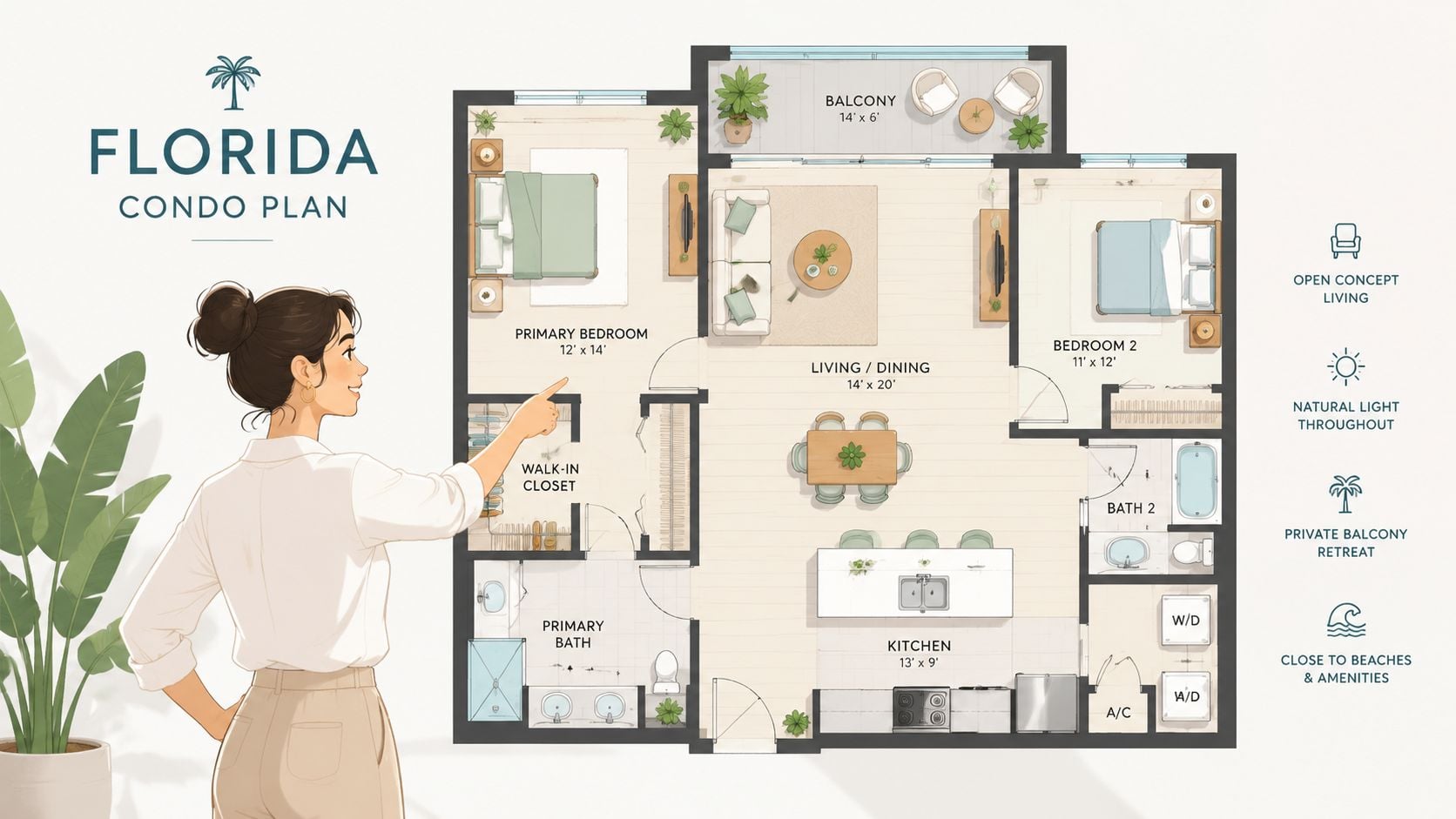
The best condo layouts are planned from the walkway backward. Before choosing a sofa or dining set, map how someone enters, crosses the room, reaches the balcony, and moves into the kitchen or hallway. That traffic pattern should stay open.
A useful starting point is to sketch the room and note four things: entry points, windows, balcony doors, and any wall that interrupts a clean rectangle. For help visualizing furniture placement before buying anything, a simple room layout planning guide can make those decisions easier.
Once the movement path is clear, divide the open room into zones with furniture rather than barriers. A rug can define the living area. A slim console can create a visual stop behind a sofa. A round dining table often improves flow because corners aren't jutting into circulation.
Handle awkward layouts without fighting them
Many condo owners assume a strange angle means the room is flawed. It usually just means the furniture plan has to be more intentional. Thirty percent of new condo units in dense urban areas feature non-standard geometries, and rounded furniture and rugs can soften sharp edges while distinct zones improve flow, according to Never Too Small's guide to strangely shaped small spaces.
That advice fits Central Florida condos particularly well, where one unusual corner can affect the entire main room. Instead of pushing every piece flat against the walls, use shape strategically.
| Layout issue | What usually works | What usually fails |
|---|---|---|
| Angled wall behind seating | Curved chair, soft-edge table, layered lighting | Boxy sectional forced into the corner |
| Narrow dining area | Round pedestal table | Heavy rectangular table with wide legs |
| Open room with work nook | Small desk zone with rug or lamp defining it | Trying to hide the office without planning for it |
| Sharp corner by walkway | Rounded accent piece or plant stand | Tall casegoods that amplify the angle |
A second Florida-specific layer is mechanical comfort. In some condos, room-by-room temperature control matters because sun exposure can vary dramatically from one side of the unit to another. For owners exploring targeted cooling in a home office or enclosed sunroom, this overview of mini split advantages is a helpful technical reference.
A good condo plan feels effortless because people can move through it without turning sideways, shifting chairs, or dodging corners.
Choosing Furniture With Durability and Style
A Lake Mary condo can look polished on day one and still disappoint six months later if the furniture was chosen for appearance alone. Central Florida sun fades fabric faster near glass, humidity exposes weak construction, and a dining table often pulls double duty as an office, breakfast spot, and gathering place.
Good condo furniture earns its floor space. It should fit the room cleanly, hold its shape under daily use, and stay attractive in bright, warm conditions.
What holds up in a Florida condo
Construction matters more in a condo because every piece gets noticed. A sofa with a weak frame starts to sag. Veneers on lower-quality casegoods can react poorly to moisture swings. Lightweight furniture may feel convenient at first, but it often looks temporary in a home where the main living area, dining area, and entry are all visible at once.
I usually steer condo owners toward better-made wood furniture, custom upholstery, and finishes that can handle real life without looking overbuilt. American-made and custom options are especially useful here because sizing is often the difference between a room that feels composed and one that feels crowded. In our Longwood showroom, that often means selecting a sofa depth that leaves proper walking space, a dining table scaled to the room instead of the catalog photo, or a chair with enough visual weight to anchor the corner without taking it over.
Fabric deserves the same scrutiny. Performance depends on fiber, weave, color, and where the piece will sit in relation to windows and doors. For owners weighing those choices, this upholstery fabric selection guide helps explain how cleanability, texture, and light exposure affect long-term results.
Spend more where wear shows first
A condo rarely needs top-tier investment in every category. It needs the right investment in the pieces that work hardest.
- Primary seating: Sofas and main chairs carry the room visually and physically. Better cushions, stronger suspension, and tighter tailoring pay off quickly.
- Dining furniture: In many condos, this piece handles meals, laptop hours, and visiting family. A durable top and stable base matter.
- Beds: Comfort matters, but so does proportion. Oversized beds can make a bedroom feel cramped and limit storage options.
- Accent pieces with a job: A bench, swivel chair, or narrow chest should solve a real need, not just fill a blank spot.
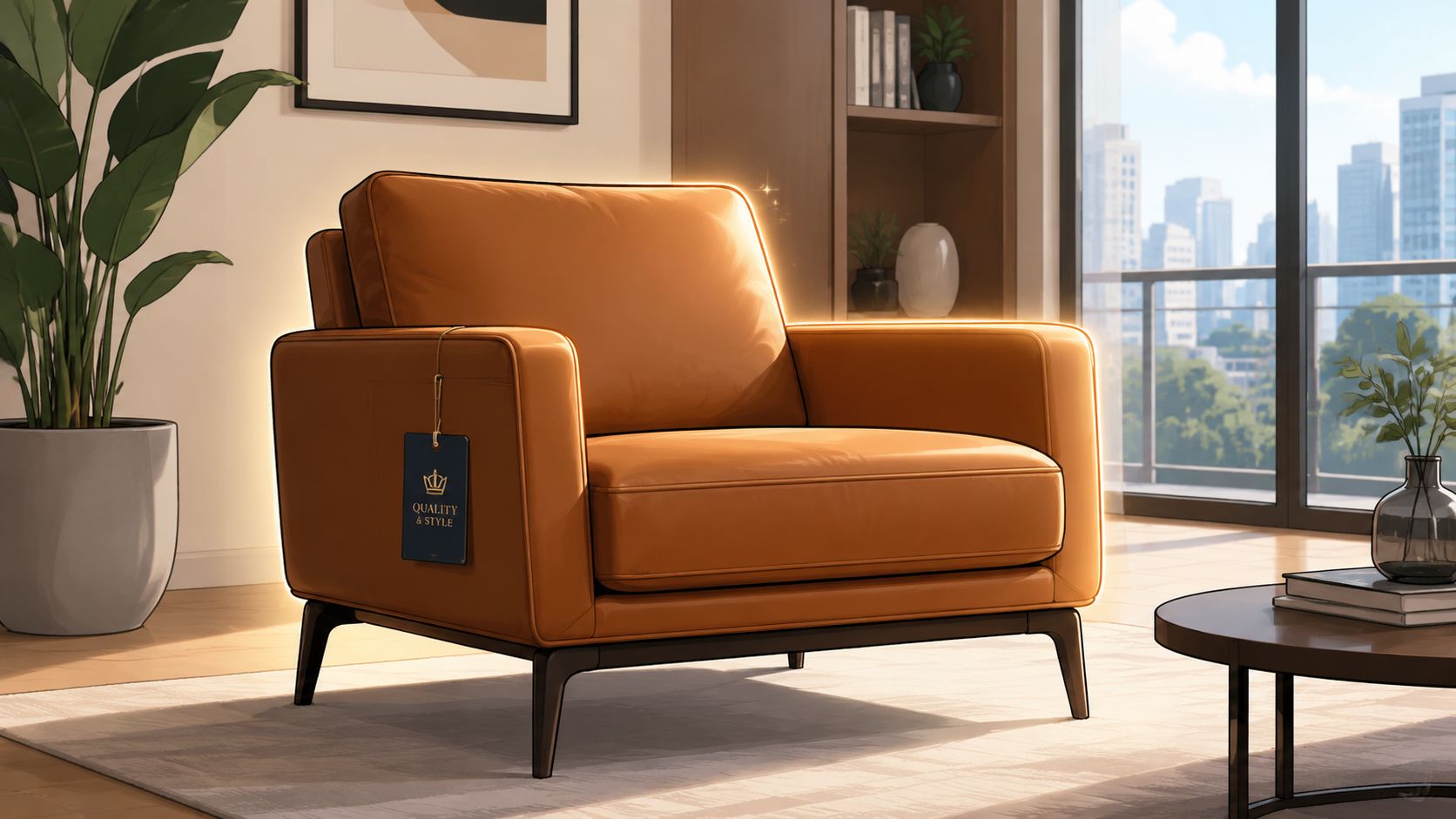
There is also a Florida-specific trade-off many buyers miss. Pale upholstery and light finishes can brighten a condo beautifully, but they ask for more maintenance in homes with strong sun, frequent balcony traffic, and year-round use. Leather can be an excellent choice if the quality is there and the placement is smart. For owners comparing upkeep routines for lighter pieces, Shiny Go Clean's white leather cleaner guide is a practical reference.
The best rooms in Central Florida condos usually have fewer pieces and better ones. That approach keeps sightlines open, supports indoor-outdoor living, and gives the home a settled look that lasts past move-in week.
Creating Light and Color for the Sunshine State
Many Florida condos still default to a predictable palette of bright white, gray, and a little blue. That approach can look clean for a moment, but it often feels flat under intense sun and a bit cold at night.
Warm neutrals make more sense now
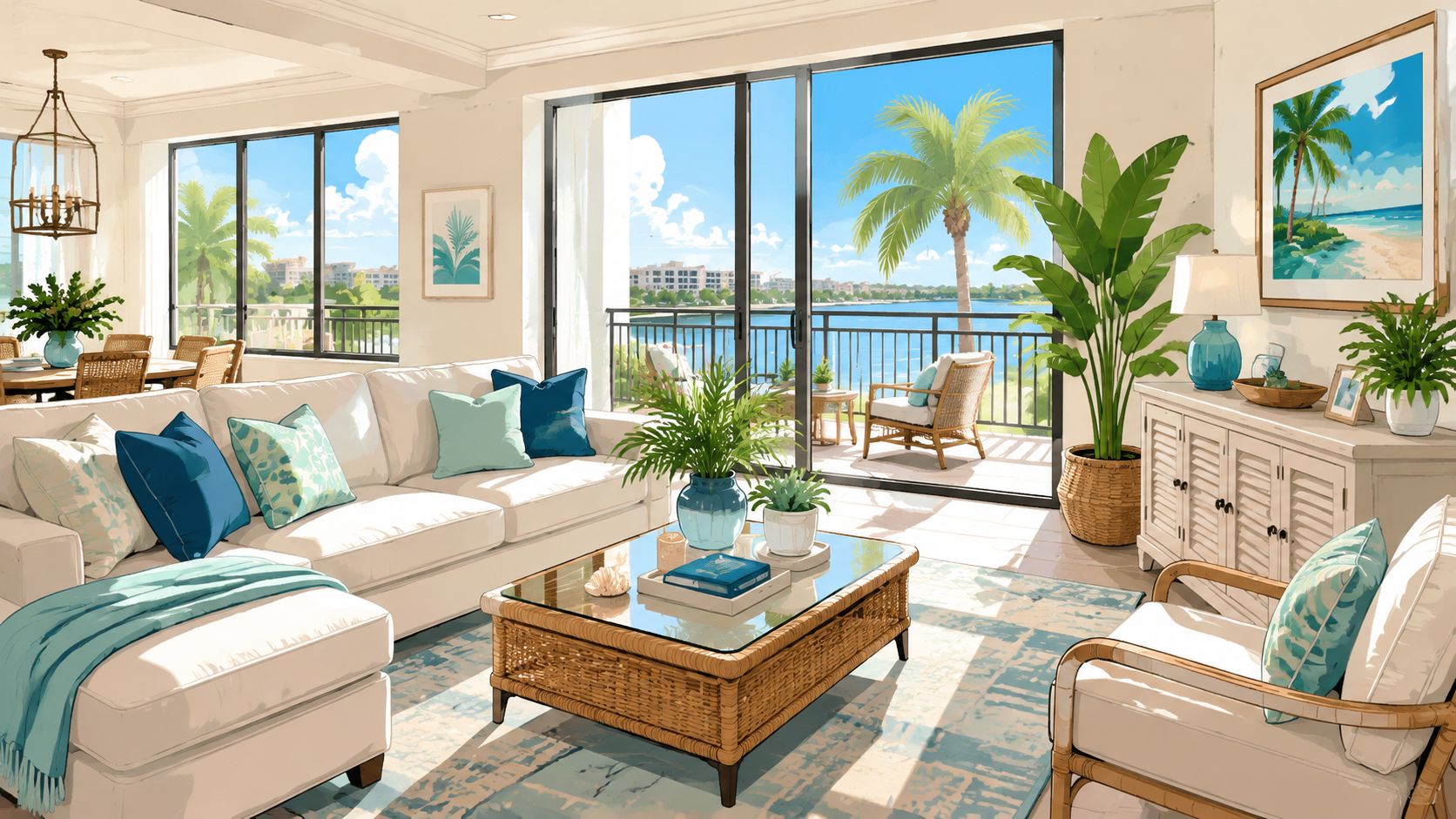
For 2026, Florida condominium interiors have moved away from stark whites and grays toward warm, textured neutrals such as creamy ivories, sun-washed beiges, mushroom tones, and soft clays, according to Scenic Sotheby's International Realty's 2026 interior design trend report. That shift is especially useful in condos because warmer neutrals soften hard architectural lines and create a calmer backdrop for daily living.
This doesn't mean every room should be beige. It means the foundation should feel settled. Then color can be introduced with intention through art, pillows, rugs, casegoods, or one saturated accent room.
A few pairings work particularly well in Central Florida condos:
- Cream and mushroom: quiet, layered, forgiving in changing daylight
- Soft clay with natural wood: warmer than gray, still elegant
- Beige with muted green: a subtle nod to biophilic design without clutter
- Ivory with black accents: crisp contrast without making the room feel sterile
Layer lighting instead of relying on one fixture
Many condos depend too heavily on overhead lighting. One ceiling fixture in the center of the room leaves corners dim and seating areas underlit. Better lighting uses layers.
| Lighting layer | Best use in a condo | Typical result |
|---|---|---|
| Ambient | General ceiling lighting, flush mounts, recessed lighting | Overall visibility |
| Task | Reading lamps, desk lamps, kitchen work lighting | Better function |
| Accent | Wall art lights, buffet lamps, shelf lighting | Depth and mood |
The goal is to make the condo feel bright in the afternoon and relaxed after sunset. That usually means combining overhead lighting with floor lamps, table lamps, and targeted accent light near artwork or shelving.
For window-heavy units, solar control also affects how color reads throughout the day. Owners trying to reduce glare without sacrificing daylight may benefit from understanding window solar screens, especially in rooms with sustained west-facing exposure.
Soft, warm color and layered light do more for a condo than a dramatic accent wall ever will.
Mastering Storage and Customization
Storage is where many condo interiors either become disciplined or start to unravel. Even a beautiful room loses its effect when daily necessities have no designated place.
The solution usually isn't buying more bins. It's treating storage as part of the design language. That means using architecture, scale, and furniture function together so the room still feels composed.
Use the walls before using the floor
Floor space disappears quickly in a condo, especially in bedrooms and entry areas. Vertical storage often solves the problem more elegantly than adding another freestanding piece at eye level.
Good examples include tall bookcases, closed-door cabinets that go higher than standard casegoods, and bedroom storage with fewer but larger compartments. In an entry, one narrow cabinet with real capacity usually performs better than several small decorative items that create clutter.
A practical condo storage plan often includes:
- Closed storage near the entry: for bags, shoes, mail, and daily overflow
- Hidden storage in the living area: ottomans, lift-top tables, or cabinets with doors
- Dining pieces that multitask: buffets or cabinets that hold serving pieces, work supplies, or linens
- Bedroom storage with purpose: nightstands that store, not just decorate
Customization solves what stock furniture can't
Customization becomes more than a style preference in condominiums. In condos, a few inches can determine whether a piece works beautifully or blocks a path. Custom dimensions, finish choices, and configuration options make it possible to use difficult niches, shallow walls, and mixed-use areas with much more precision.
A custom-made dining set from Canadel, a metal-and-upholstery piece from Amisco, or a made-to-order seating configuration from American Leather, Palasar, or Smith Brothers can solve dimensions that off-the-floor pieces often miss. That's especially important in Lake Mary and Orlando condos where open-concept rooms ask each furnishing to perform multiple roles without overwhelming the architecture.
Owners planning around a specific wall, balcony transition, or breakfast-area footprint often benefit from exploring custom furniture options before settling for a compromise. The strongest condos feel personal because they aren't furnished by approximation.
The room feels bigger when everything has a place, a proportion, and a reason to be there.
Customization also supports style consistency. A condo can carry a warm Florida palette, durable materials, and cleaner storage only if the pieces relate to one another. That's much easier to achieve when finishes, sizes, and silhouettes are selected as a system instead of one-off purchases.
Your Design Plan From Budget to Delivery
The last step is turning good ideas into a sequence that protects the budget and avoids preventable mistakes. That matters in condos because access, approvals, measurements, and installation tolerances tend to be tighter than they are in detached homes.
Build the budget around priorities
Not every part of a condo needs to happen at once. The best budget plans separate essentials from upgrades. Begin with the pieces and decisions that affect daily living first, then layer in art, occasional furniture, and styling once the foundation is working.
This approach also reduces the risk of spending heavily on the wrong things. According to the NYCHA design guidelines PDF, 68% of condo renovation projects exceed budgets, and common mistakes such as failing to seal wall and floor penetrations properly or neglecting adequate counter space planning can increase long-term maintenance costs by 30%. That's a strong reminder that practical details matter as much as finishes.
A dependable spending order often looks like this:
- Correct the layout first: seating plan, dining function, traffic flow
- Choose anchor pieces next: sofa, bed, dining table, core storage
- Address performance issues: fabrics, sun exposure, outdoor transitions
- Finish with atmosphere: rugs, lamps, art, décor
If financing helps stage those decisions more comfortably, reviewing furniture financing options can be a useful planning step before ordering.
Turn the plan into a smoother delivery day
Condo projects benefit from more preparation than many owners expect. Measure elevators, hallways, corners, and entry doors. Confirm building delivery windows. Check whether the association requires reservations or protective coverings. A beautiful sofa that can't make the turn into the unit is a problem that starts much earlier than delivery day.
A simple pre-delivery checklist helps:
- Confirm access: elevator rules, loading zones, delivery hours
- Verify dimensions: not just room size, but path-of-travel size
- Protect the finish schedule: complete paint and dusty work before upholstered pieces arrive
- Sequence installations carefully: rugs, major furniture, lighting, then accessories
Well-managed condo design isn't about rushing to a finished look. It's about making each decision support the next one, from scale to materials to logistics. That's what makes the final space feel intentional instead of assembled.
Ready to find the perfect piece for your home? Visit the Slone Brothers Furniture showroom in Longwood, FL, and let our design experts help you get started! Since 1980, this local, family-owned showroom has served Central Florida with quality furniture, Amish and American-made craftsmanship, custom-order options, complimentary in-house design support, reliable delivery, commercial furnishings, a large clearance outlet, and a Low Price Promise. Want to experience the comfort of Stressless, the heritage of Stickley, the custom comfort of Smith Brothers, or the American-made quality of Bassett, Craftmaster, American Leather, Simply Amish, Mavin, Canadel, Amisco, and Palasar in person? Stop by the Longwood showroom today.