

Latex Mattress Benefits for Better Florida Sleep


A lot of Central Florida sleepers know the pattern. The air conditioning is running, the ceiling fan is on, and the room still feels sticky by the middle of the night. A mattress that seemed comfortable in the showroom can suddenly feel warm, stuffy, or unsupportive after a few hours of sleep.
That problem shows up all over Longwood, Lake Mary, Sanford, and the greater Orlando area. Heat, humidity, and seasonal allergens put different demands on a bed than a cooler, drier climate would. That's why latex mattress benefits matter so much for Florida homes. A well-made latex mattress can help address temperature buildup, pressure points, and a bedroom environment that doesn't always feel as fresh as it should.
Families across Central Florida have also become more careful about value. Since 1980, Slone Brothers has served local homeowners who want furniture and mattresses built to last, not products that feel worn out too soon. In the mattress category, latex stands out because the comfort story and the long-term value story often go together.
Table of Contents
- Why Orlando Sleepers Are Choosing Latex Mattresses
- Understanding Latex What Is It Really Made Of
- The Core Health and Comfort Latex Mattress Benefits
- A Smart Investment Durability and Long-Term Value
- Breathe Easier Hypoallergenic and Eco-Friendly Sleep
- Find Your Perfect Latex Mattress in Longwood
Why Orlando Sleepers Are Choosing Latex Mattresses
A common local scenario goes like this. Someone in Orlando replaces old bedding, expects better rest, then realizes the new mattress still sleeps hot and doesn't feel balanced under the back and hips. By the end of the week, there's more tossing, more pillow flipping, and more waking up than expected.
That's one reason latex mattress benefits have become such a practical topic for Central Florida households. People aren't only shopping for softness or firmness. They're trying to solve specific local problems, especially warm nights, humid rooms, and allergy flare-ups that seem worse in the bedroom.
In Longwood and nearby communities, mattress shoppers also tend to ask more detailed questions than they used to. They want to know what the bed is made of, how it handles airflow, and whether it will still feel supportive years down the line. Those are smart questions, and latex often answers them better than many shoppers expect.
Practical rule: In a Florida home, the right mattress shouldn't just feel good for ten minutes. It should stay comfortable through a warm night and still feel clean and supportive over time.
For many sleepers, the appeal starts with breathability. For others, it starts with support that doesn't feel stiff. Some are drawn to a mattress option that may be better suited to allergy concerns in a humid climate. Many find that all three needs overlap.
Shoppers who are comparing cooling materials can get more context in this guide to the best mattress for hot sleepers in Florida homes. It helps explain why some beds hold heat while others promote better airflow.
Understanding Latex What Is It Really Made Of
Latex confuses a lot of shoppers because the word sounds simple, but the labels can get technical fast. The good news is that most buyers don't need a chemistry lesson. They just need to understand what affects feel, airflow, and durability.
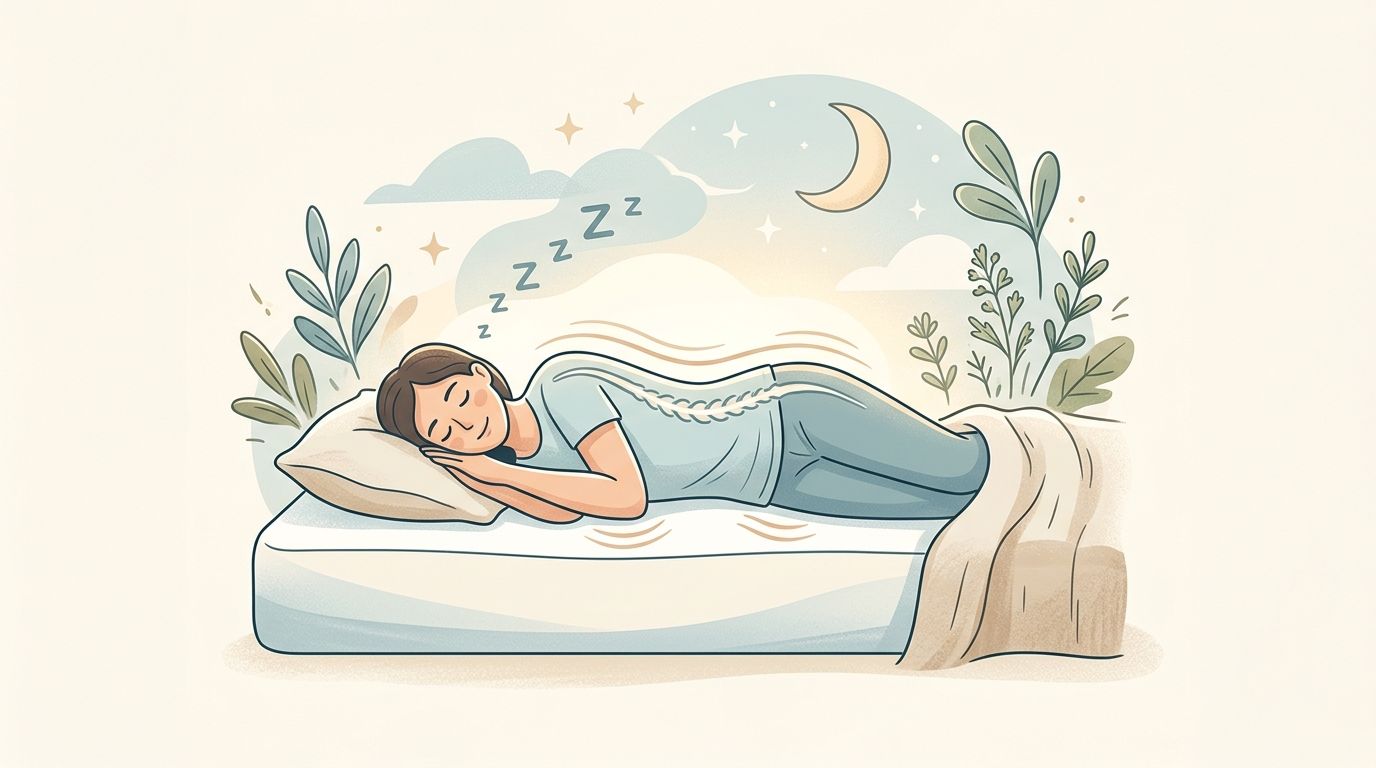
Natural and Synthetic Latex
The first distinction is natural latex versus synthetic latex.
Natural latex is made from rubber tree sap. Synthetic latex is man-made. In a showroom conversation, that difference matters because natural latex is usually the option associated with the strongest reputation for resilience, breathability, and a cleaner sleep environment.
For a shopper, that often translates into simpler questions:
- Want a mattress focused on long-term value? Natural latex is usually the one to examine first.
- Concerned about a healthier-feeling sleep surface? Natural latex is often the better fit for that goal.
- Trying to avoid the dense, hugging feel some foams create? Latex generally feels more buoyant and lifted.
Many people assume every foam feels basically the same. It doesn't. Latex has a springier response than memory foam, so sleepers tend to feel more “on” the mattress than “stuck in” it.
A helpful way to sort through those labels is this guide to different mattress types and how they feel. It can make showroom comparisons much less overwhelming.
Dunlop and Talalay Feel Different
The second distinction is Dunlop versus Talalay latex. Both are latex, but they don't feel identical.
A simple baking analogy helps. Dunlop is a little like batter that settles into a denser result. Talalay is processed for a more consistent, airier feel. That doesn't make one universally better. It means each suits different sleepers.
Here's the practical version:
| Type | Typical feel | Often suits |
|---|---|---|
| Dunlop latex | Denser, steadier, more grounded | Back sleepers, some stomach sleepers, people who prefer firmer support |
| Talalay latex | Lighter, more buoyant, more plush at the surface | Side sleepers, combination sleepers, people who want more cushion without deep sink |
Some Florida shoppers also ask why latex often feels cooler than traditional memory foam. One reason is structure. Unlike memory foam, which has a dense, closed-cell structure that traps body heat due to lack of air circulation, latex's pin-core channels and porous nature enable effective ventilation, helping the sleeper stay cooler in summer and warmer in winter, as explained in this overview of latex airflow and temperature regulation.
A mattress material can be supportive and breathable at the same time. That combination is one of the biggest reasons latex stands out in warm climates.
The Core Health and Comfort Latex Mattress Benefits
Comfort isn't one single trait. A mattress can feel soft at first touch but still create pressure, trap warmth, or make movement harder during the night. The most useful latex mattress benefits show up in how the body rests over several hours.
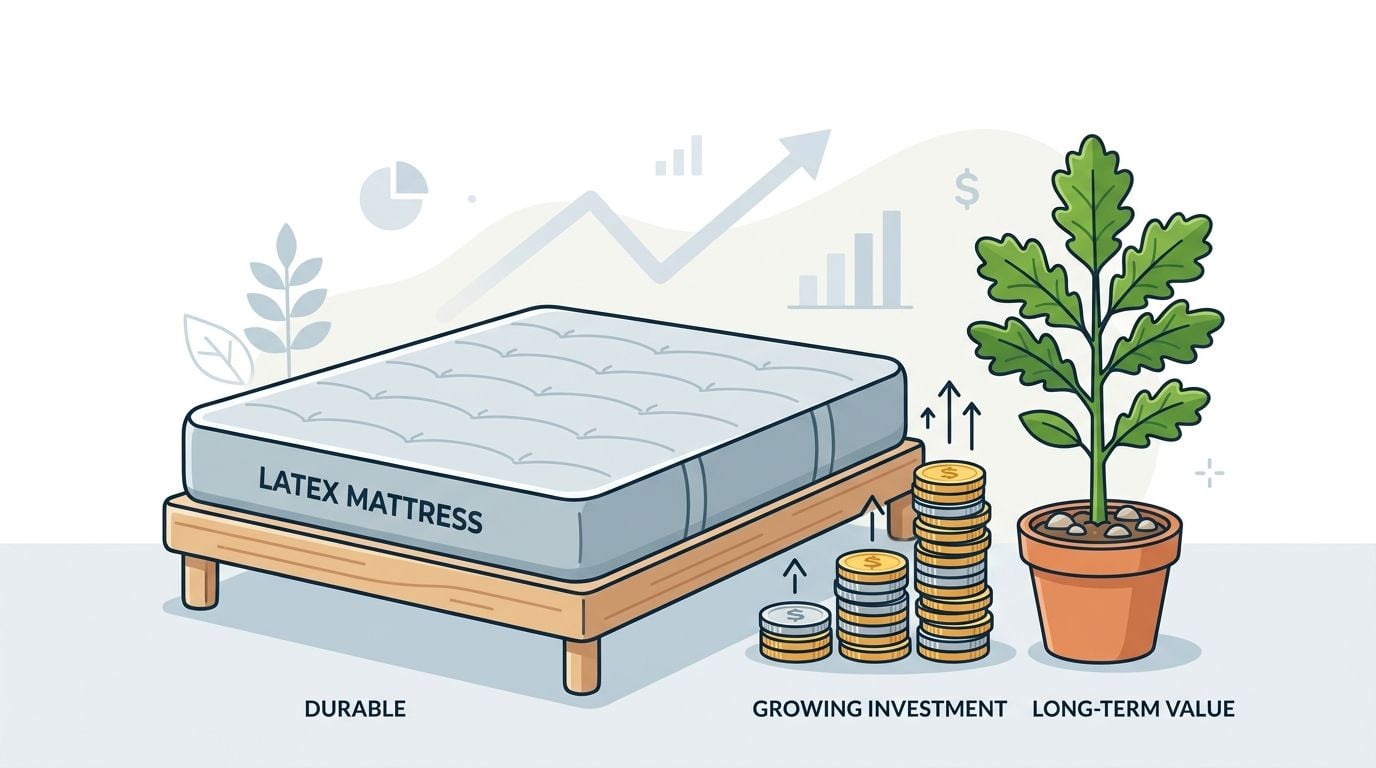
Pressure Relief Without Deep Sink
Pressure relief is one of the strongest reasons shoppers explore latex, especially those dealing with sore shoulders, hips, or lower back tension. Clinical findings showed that latex mattresses can reduce peak body contact pressure on the torso and buttocks by up to 35.1% compared to polyurethane foam mattresses, while increasing the proportion of low-pressure regions to 96.1%, according to this clinical study on latex pressure distribution.
That matters because pressure points can trigger frequent position changes through the night. A sleeper may not fully wake up each time, but the body still keeps adjusting. Less concentrated pressure usually means calmer sleep.
The feel is different from slow-response foam. Latex tends to contour while still pushing back gently, so the body gets support without the swallowed-up sensation that some sleepers dislike.
Cooling That Fits Florida Living
Heat control is a major issue in Central Florida bedrooms. Even with good air conditioning, warm nights and humidity can make a dense mattress feel stuffy.
Latex helps because it's naturally more breathable than many closed, heat-holding foam constructions. For local households, that can mean:
- Less trapped warmth near the shoulders and back: Areas with constant body contact tend to feel less smothering.
- Better airflow through the mattress core: Breathability matters more in humid climates where fabrics and foams can feel heavy.
- A more balanced surface feel: The bed doesn't have to rely on added cooling gimmicks to feel comfortable.
A cooler mattress won't solve every sleep issue on its own. Daily habits still matter. Many sleepers benefit from simple routines such as building a consistent sleep schedule, especially when better mattress support is paired with steadier bedtime patterns.
Better sleep usually comes from layers of improvement. The mattress, the room temperature, and the sleep routine all work together.
Steadier Sleep for Couples and Combination Sleepers
Latex is also appealing for people who change positions during the night. Because it has a responsive, buoyant feel, it's often easier to roll from one position to another without fighting the mattress.
That matters for a few common groups:
- Combination sleepers: They need a surface that adjusts quickly as they move from side to back or back to stomach.
- Couples with different habits: One partner may want cushioning, while the other wants support and easier movement.
- Sleepers managing back discomfort: A more lifted feel can help keep the body from settling too far out of alignment.
People shopping for pain relief often focus only on firmness, but comfort design is broader than that. Surface pressure, support under the hips, and ease of movement all shape how the back feels by morning. This article on choosing the right mattress to help with back pain offers useful guidance for narrowing those choices.
A Smart Investment Durability and Long-Term Value
A quality latex mattress usually asks for more up front, and that can make shoppers hesitate. That hesitation makes sense. A mattress is a meaningful purchase, especially for households that are already budgeting for other home upgrades.
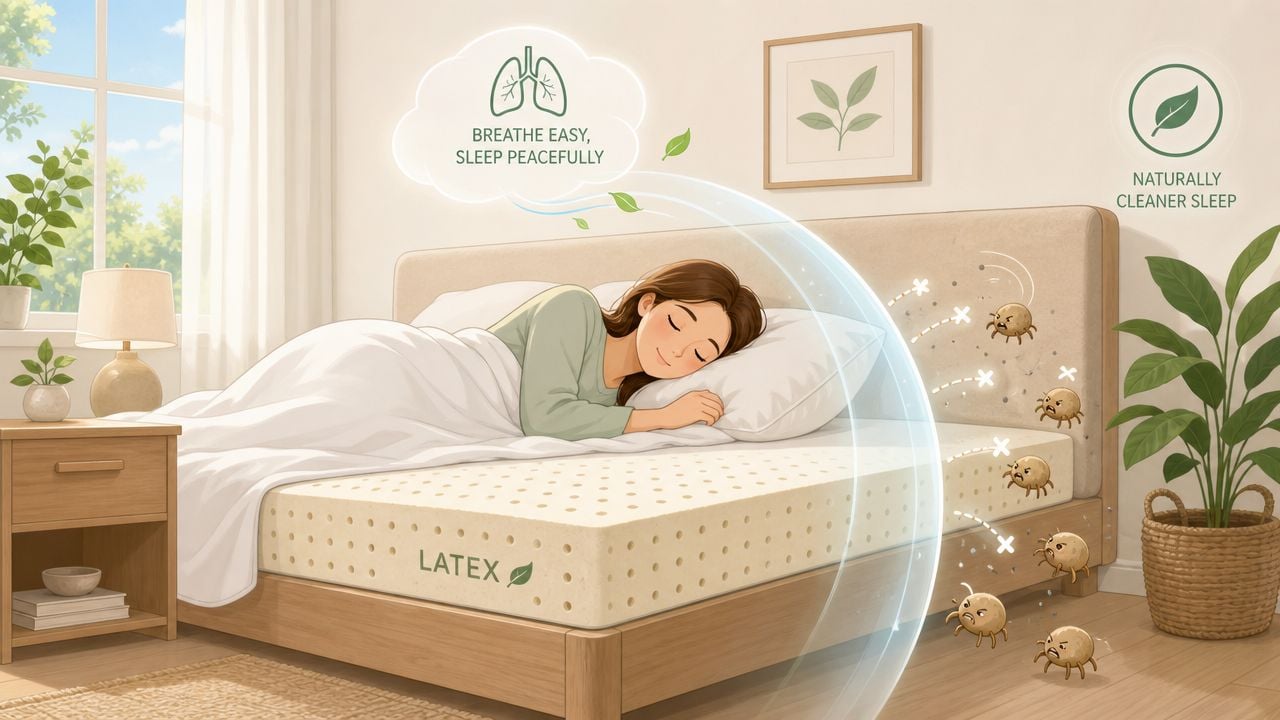
Why Longevity Changes the Math
The value discussion changes once lifespan enters the picture. Natural latex mattresses offer an average durability of 15 years or more, compared to the typical 7 to 10 year lifespan of polyurethane or memory foam beds, according to this guide to latex mattress durability and long-term performance.
That doesn't mean every mattress ages the same way, but it does explain why many buyers see latex as a long-view purchase rather than a short-term comfort fix. Resilience matters. A mattress that keeps its shape and support longer may reduce the cycle of replacing beds that have already started sagging or feeling uneven.
For households trying to decide whether it's time for a replacement at all, this resource can help discover a bed change guide and compare wear signs with a mattress's expected life stage.
What Central Florida Buyers Should Weigh
In a humid climate, long-term value isn't just about how long a mattress exists. It's about how long it stays comfortable and usable for the way a local household sleeps.
A buyer evaluating latex as an investment should weigh a few practical points:
- Initial cost versus replacement cycle: A higher entry price can make more sense if the mattress remains supportive for many years.
- Nightly comfort over time: A bed that starts strong but breaks down quickly isn't a bargain.
- Whole-home value thinking: Central Florida homeowners often spend carefully on pieces they use every day. A mattress belongs in that category.
The least expensive mattress on day one isn't always the one that costs less over the years.
For shoppers comparing quality tiers, long-term mattress health and value considerations can help frame the decision beyond sticker price alone. Slone Brothers Furniture also offers a mattress selection backed by a Low Price Promise, which gives local shoppers another way to think about value without treating the purchase like a disposable item.
Breathe Easier Hypoallergenic and Eco-Friendly Sleep
For many Florida households, bedroom comfort isn't only about softness or cooling. It's also about what's in the air. Pollen seasons, indoor dust, and the effects of year-round humidity can make a bedroom feel less restful than it should.
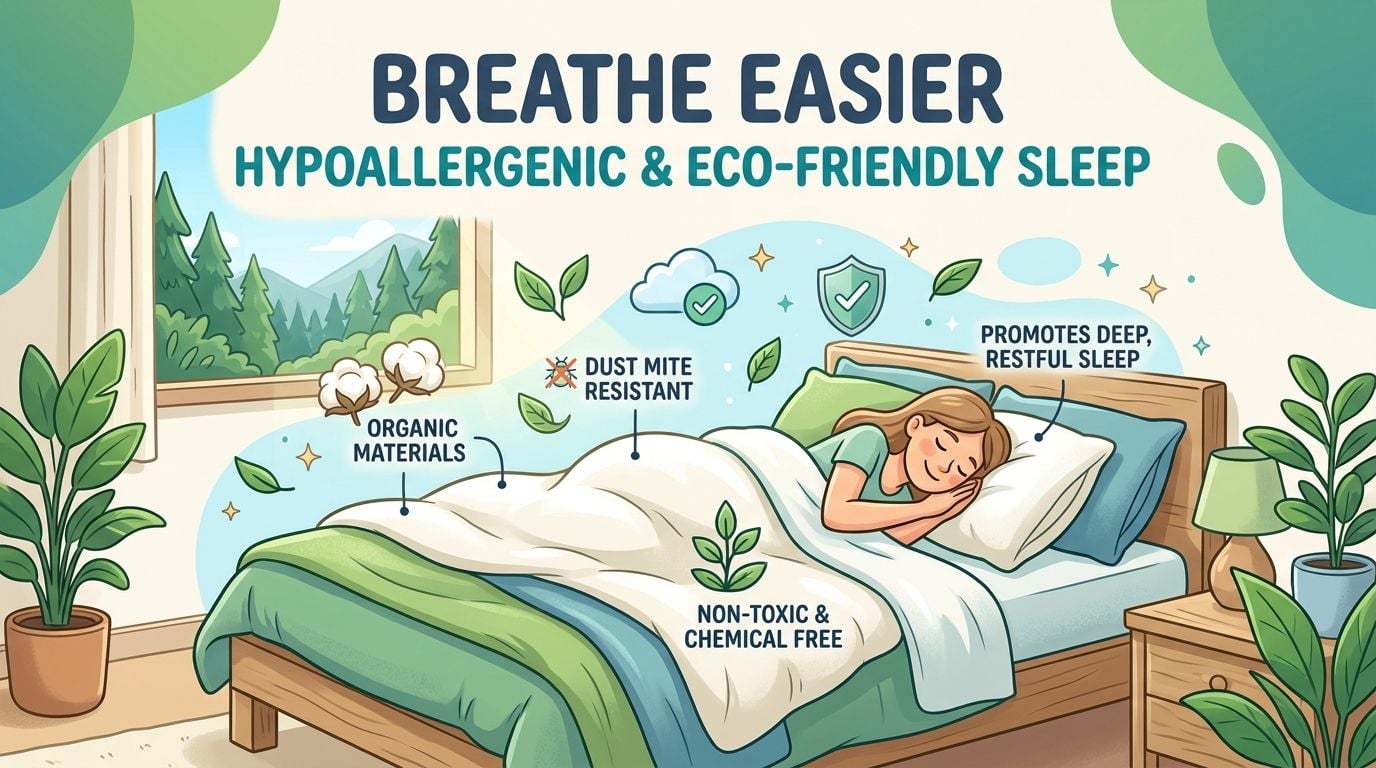
Why Latex Fits Humid Bedrooms
Natural latex has a strong reputation with allergy-conscious shoppers because of how the material behaves. Natural latex mattresses are naturally resistant to dust mites, mold, and mildew due to their non-porous surface structure and pinhole manufacturing, which allows heat and moisture to escape and prevents allergen accumulation, as described in this article on natural latex and allergen resistance.
That's especially relevant in Central Florida. Bedrooms here deal with humidity for much of the year, and moisture control matters. Materials that breathe more effectively can support a fresher-feeling sleep space.
A mattress alone won't eliminate every allergy trigger, but it can become part of a cleaner bedroom strategy. This guide on maintaining a dust- and allergen-free bedroom offers practical maintenance habits that pair well with a latex sleep setup.
A Cleaner Choice for Sensitive Sleepers
Some shoppers notice a difference immediately when they switch to materials that feel less dense and less prone to holding heat and moisture. Others appreciate latex because it aligns with a more natural-material approach to the home.
That can matter for:
- People with seasonal allergies: The sleep surface becomes one less concern in an already challenging time of year.
- Sensitive sleepers: A cleaner-feeling bed often supports better peace of mind at bedtime.
- Eco-minded households: Natural latex appeals to buyers who prefer products tied to renewable raw materials.
A healthy bedroom starts with surfaces that support airflow and don't encourage buildup.
In homes where comfort, cleanliness, and material quality all matter, latex often checks several boxes at once.
Find Your Perfect Latex Mattress in Longwood
Buying a latex mattress gets easier once the shopper stops asking, “What's the best one?” and starts asking, “What fits this body and this sleep style?” That shift leads to better decisions.
How Different Sleepers Can Narrow the Field
A few starting points help simplify the search:
- Back sleepers: They often prefer a steadier feel that keeps the midsection supported. A denser latex construction may feel more balanced.
- Side sleepers: They usually need enough give at the shoulder and hip to avoid pressure buildup. A lighter, plusher latex feel may work better.
- Combination sleepers: Responsive latex helps with movement, so changing positions feels easier during the night.
- Hot sleepers: Breathability becomes a priority. Open, ventilated constructions are usually worth close attention.
- People focused on cleaner materials: Natural latex deserves a closer look than generic foam labels.
Some shoppers also do well with hybrid designs that pair latex comfort layers with another support system. Others prefer an all-latex build for a more consistent feel. The right answer depends on body type, position preference, and sensitivity to heat.
Why an In-Person Test Matters
Mattresses are hard to judge from specs alone. Two options can sound nearly identical on paper and feel very different in person. That's why local testing matters, especially for a purchase tied so closely to health and daily comfort.
In Longwood, shoppers can compare firmness levels, ask questions about materials, and get guidance from an in-house design team that understands how Central Florida homes and lifestyles shape comfort needs. That same local approach carries across the showroom, from mattress shopping to custom-order programs and quality furniture collections that include Stickley, Stressless, Smith Brothers, Palasar, Bassett, Craftmaster, Simply Amish, Canadel, Amisco, American Leather, and Mavin.
For buyers furnishing more than one room, that can be useful. A household upgrading a bedroom may also be considering American-made upholstery, Amish-crafted dining, or a custom-order piece that better fits the room. Local guidance helps keep those decisions coordinated.
Ready to find the perfect piece for your home? Visit the Slone Brothers Furniture showroom in Longwood, FL, and let their design experts help get the search started. Want to experience the comfort of a Stressless recliner or the beauty of Stickley in person? Stop by the Longwood showroom today. Learn more at Slone Brothers Furniture.