
How to Choose Sofa Color for a Living Room That Lasts


The wrong sofa color can make a finished room feel unfinished, and that's exactly what happens in a lot of Longwood and Lake Mary homes. The walls are painted, the wood floor is in, the rug is down, and the last step, choosing the sofa color, suddenly feels like the heaviest decision in the whole room. At Slone Brothers Furniture in Central Florida, that's the point where a lot of smart homeowners stop guessing and start looking at the room the way a design consultant would.
Why Sofa Color Feels So Hard to Get Right
A sofa is not a throw pillow. It's the biggest soft surface in the room, the piece people see first, and the one that has to live with daily use, changing décor, and real-life wear for years. That's why choosing the wrong color feels more permanent than choosing the wrong accent chair or lamp.
A lot of homeowners in Orlando, Winter Park, and Altamonte Springs get stuck because they're trying to solve too many problems with one decision. They want the sofa to look rich, hide life, work with the rug, and still feel timeless after the next paint change. That's a tall order for a single fabric sample.
Practical rule: If the sofa has to do all the visual work, the room is already asking too much of it.
The better approach is calmer. Treat the sofa as the room's anchor, then let the rest of the space support it. That mindset takes the pressure off the swatches and gets the decision back into design territory instead of panic territory.
Read the Room Before You Browse the Swatches
Start with the fixed pieces, not the pretty samples. Walls, flooring, curtains, the rug you're keeping, and the furniture already in the room will tell you more about the right sofa color than any online photo ever will. That matters even more in Central Florida, where many homes mix warm wood tones with cooler paint colors.
A good showroom-level decision starts by looking at what won't change easily. If the room already has a lot of visual activity, the sofa needs to settle the space. If the room is bare and quiet, the sofa can carry more presence without fighting the rest of the palette.
Here's the hierarchy that keeps the decision grounded:
- Look at the largest permanent surface first. In most homes, that means the floor.
- Check the wall color next. Notice whether it feels warm, cool, or neutral.
- Account for the rug and curtains. These can either soften a clash or intensify it.
- Decide how much visual weight the sofa should carry. A large sectional should usually act like a dominant or secondary color, not an accent.
That's the logic behind the 60/30 rule. If the sofa is one of the largest items in the room, it should either lead the palette or sit comfortably just behind it, not fight for attention. Slone Brothers keeps a practical color palette for living room decisions grounded in that same room-first approach.
Design note: In a room with warm floors and cool walls, the sofa should bridge the gap, not amplify the conflict.
Which Sofa Colors Actually Sell and Why That Matters
The market tells a clear story. In recent rankings, gray accounted for 38% of sofa sales, ahead of beige at 27% and muted blue at 15%. Another survey put gray at 39%, beige and cream at 31%, and navy blue at 17% (most popular sofa colors in 2025).
That does not mean everyone should buy gray. It means broad, neutral tones still win because they coordinate easily, age gracefully with décor changes, and carry less visual risk than a loud color that dominates the room. For a primary living room, that's a serious advantage.
Fabric and leather tell a different story. One source reports that 2019 fabric sofa purchases were 52% gray, while green rose to 18% in the latest year from just 1% in 2019. The same source says brown leather held 53% of leather sofa sales, with neutrals at 24% and gray at 11% (sofa colour trends 2025). That split matters because the “right” color depends on both material and lifestyle.
For a homeowner in Central Florida, the takeaway is blunt. Neutral is still the safest foundation, but the best neutral depends on the room's undertones and the sofa's material. A beige or cream sofa can look luminous in one room and washed out in another. A gray sofa can feel crisp, soft, or chilly depending on the floor under it.
If the room is the question, the color chart is only part of the answer. Slone Brothers' neutral color sofas fit naturally into that reality, because the decision is not “neutral or not,” it's which neutral belongs in the room.
Test Three Swatches in Your Actual Room Before You Commit
The fastest way to avoid a bad sofa color is to stop judging fabric in a showroom under one set of lights. Pull three options, a safe choice, a stretch choice, and a bridge choice, then see them in the room where the sofa will live. That simple ritual beats guesswork every time.
A large swatch should be held vertically near the wall, rug, and flooring, not laid flat like a paint chip. Then check it in morning daylight, evening lamp light, and overhead light. Colors change with surrounding surfaces and with the angle of light, which is why a sample that looks perfect at noon can look flat or off at night.
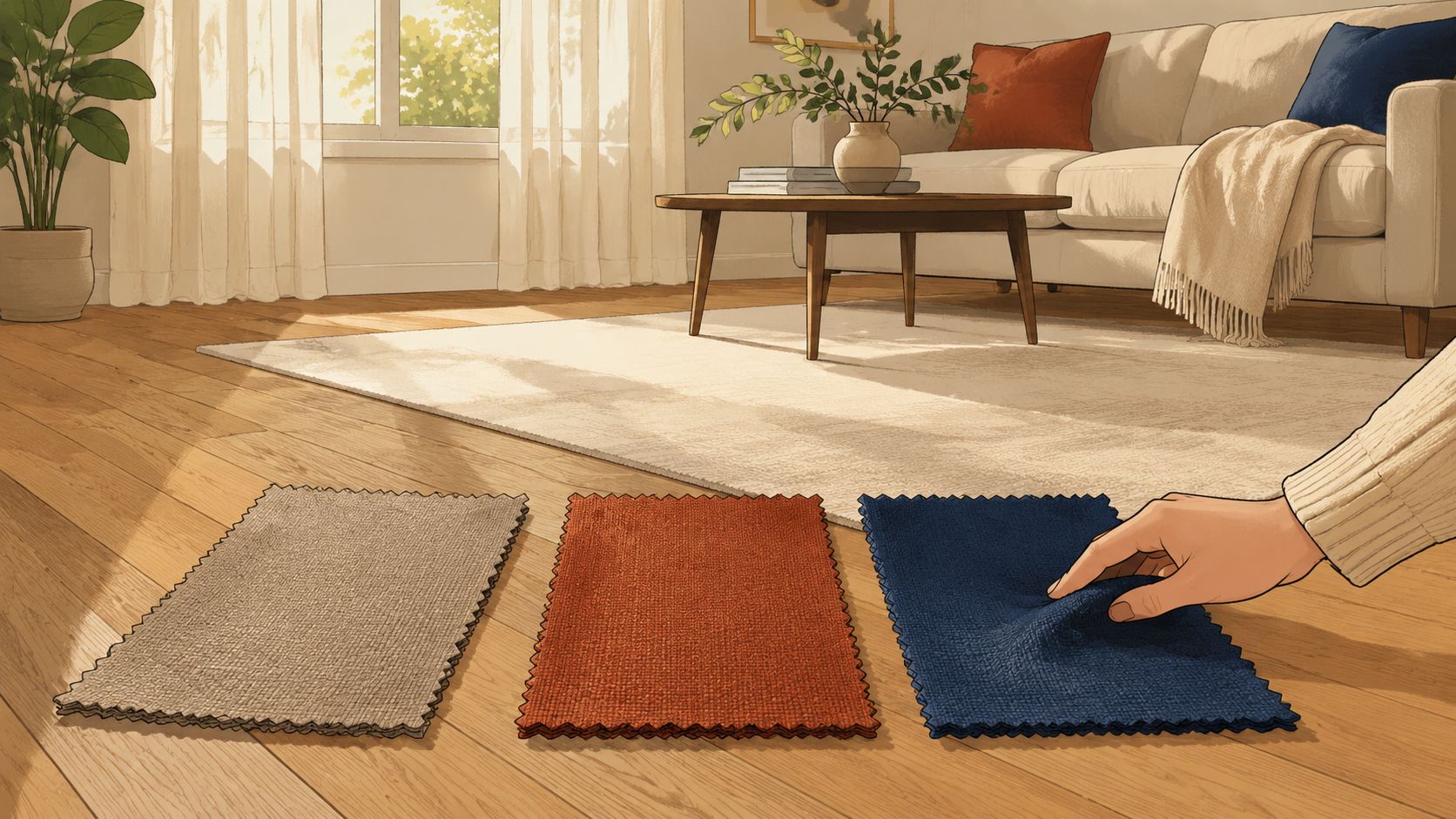
That shift is called metamerism, and it's the reason so many good-looking fabrics surprise homeowners after delivery. The right test is simple, but it needs discipline. If a fabric only works in one light source, it is not ready for a real living room.
For anyone comparing broader room colors alongside upholstery, interior colour schemes by Painters North Shore is a useful reminder that furniture color never lives alone. Slone Brothers also keeps a practical how to avoid color mismatch when ordering online reference for shoppers who want a more controlled process before they commit.
Bring the swatches home, leave them there for a full day, and look at them the way you actually live, not the way a sample card wants to be seen.
When Warm Floors and Cool Walls Already Live in the Same Room
Most generic advice falls apart here. Many Central Florida homes have warm wood floors, cool paint, and a rug that was chosen in a previous season of taste. In that situation, the sofa should resolve the conflict by leaning toward the largest permanent surface first, then letting textiles do the bridging.
A Sanford home with honey-toned oak floors and soft greige walls usually wants a sofa with warm undertones, such as taupe, oatmeal, or a soft greige that leans warm rather than icy. That keeps the floor and sofa in the same family, which gives the wall color room to stay crisp without making the room feel split in half. A touch of cooler accent color in pillows or art can finish the balance.
A Winter Park home with wide-plank dark walnut floors and a cool blue-gray wall needs a different answer. There, a deeper neutral or cooler-toned sofa can feel intentional, while warmer accents can come in through pillows, wood tables, or art so the room doesn't go flat. The sofa should harmonize with the larger surface, not match the wall paint like an afterthought.
That hierarchy is the useful part. Start with the floor, let the sofa follow the floor's lead, then use the rug, pillows, and artwork to soften any leftover temperature mismatch. Slone Brothers' guide to picking the perfect paint color for your home fits into the same logic, because color decisions work better when walls and upholstery stop competing for attention.
The Smartest Sofa Color for Homes With Pets, Kids, and Real Life
The usual advice says go dark to hide messes. That's too simplistic. Very dark solids can highlight lint, dust, and fading, especially near bright Central Florida windows, while very light neutrals can show every spill and traffic mark. The safest answer is often neither extreme.
Medium-value textured fabrics are the smart middle ground. Think heathered taupe, soft pebble, woven oatmeal, or a muted greige with visible texture. Those colors don't scream for attention, and the weave helps break up everyday wear so the sofa still looks composed after real use.
The weave matters as much as the color. A medium tone in a tight weave will age differently than the same tone in a loose weave, which is why fabric choice and color choice should be considered together. For a family room in Orlando, that pairing is usually more important than chasing the deepest navy or the lightest cream.
A few practical checks help here:
- Choose texture over flatness. Texture softens wear patterns and makes everyday marks less obvious.
- Avoid the darkest solid unless the room needs it. Dark can be dramatic, but it can also expose lint.
- Avoid the palest neutral if the sofa will be used hard. Light fabric looks beautiful until life happens.
- Prioritize long-term value. The right sofa is the one that still looks composed in five years.
For stain cleanup thinking, J.G. Carpet Cleaning couch care advice is a useful resource to keep in mind when a household includes pets or kids. Slone Brothers also keeps a focused how to choose upholstery fabric guide for homeowners who want the color decision tied to the fabric decision, not separated from it.
Bring Your Shortlist to the Longwood Showroom
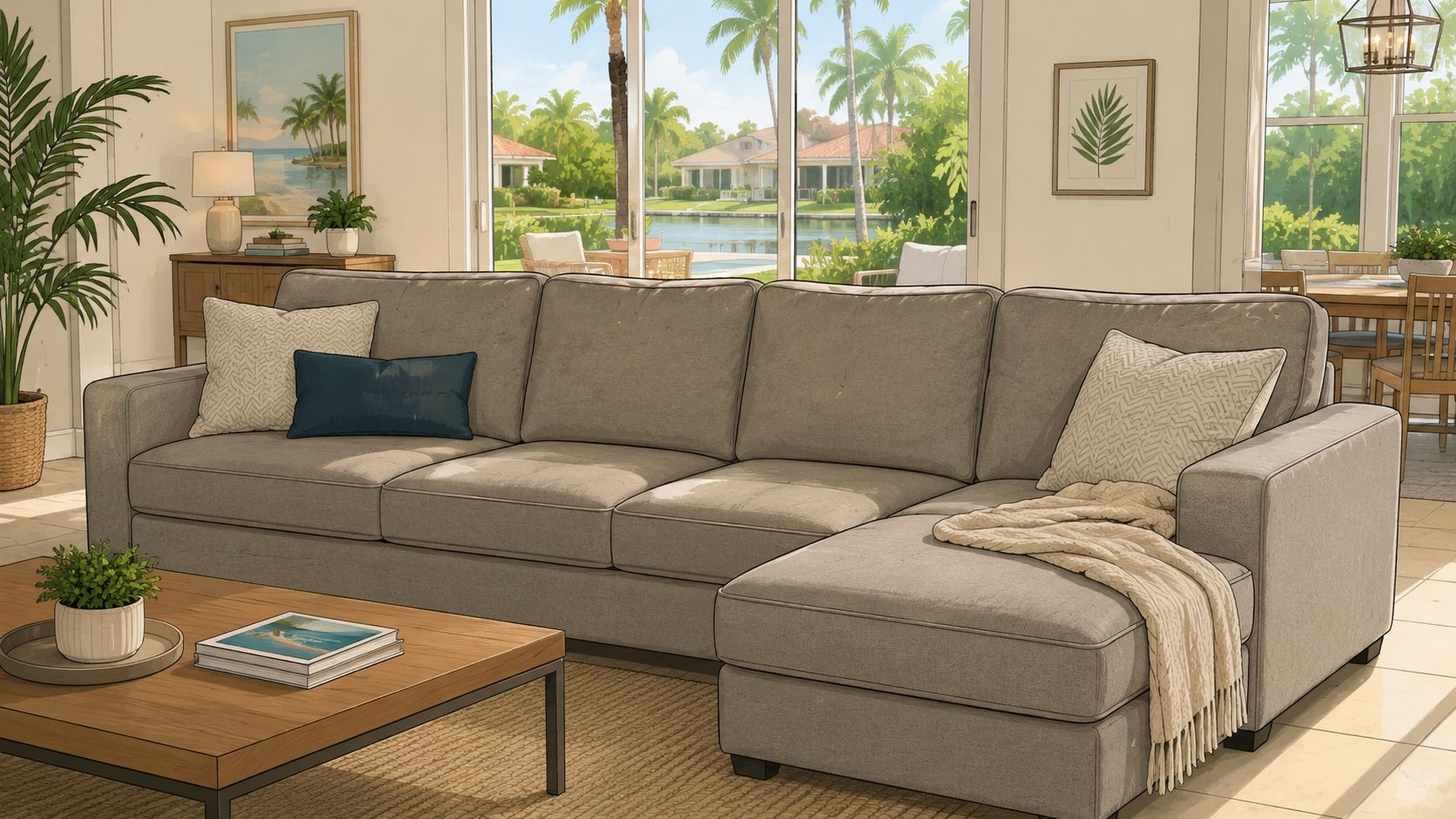
Once the swatches are narrowed down, the decision gets easier in person. That's when a homeowner in Longwood, Orlando, Lake Mary, Sanford, Winter Park, or Altamonte Springs can compare the fabric against the room's real undertones, ask better questions about durability, and see how the color behaves at full scale instead of on a tiny sample.
A custom-order sofa gives the buyer more control after the color direction is set. Fabric, finish, and configuration can all be adjusted around the room instead of forcing the room to accept a one-size-fits-all piece. That matters when the sofa has to work with a rug that's staying, floors that won't change, and a wall color that already has a strong opinion.
Slone Brothers Furniture also offers complimentary in-home interior design services, which makes the process more precise. A design consultant can review the room inventory, compare the shortlist under the home's actual light, and help separate the “looks nice” option from the one that will hold up visually over time. That face-to-face support is the difference between a color guess and a considered investment.
Bring the floor sample if one exists, bring the rug photo if the rug is staying, and bring the swatches that survived the daylight test. That gives the showroom visit a clear direction and saves time for the choices that matter.
Ready to invest in furniture that lasts a lifetime? Skip the online guesswork and automated digital chatbots. Visit the Slone Brothers Furniture showroom in Longwood, FL today. Connect face-to-face with experienced design consultants, explore custom-order options, and get real help choosing a sofa color that works in your home, not just on a screen.